



Leuven (Eurotoday) – Around 160,000 visitors came to Leuven for the European Running Championships. Mayor Mohamed Ridouani praised the event’s success, though local business reactions were mixed: while some saw increased foot traffic and sales, others experienced a downturn. Kevin Vanderauwera, a representative of Leuven’s hospitality sector, has proposed scheduling such events on Sundays to minimize disruption.
Several local business owners are urging the city to consider the impact of major sporting events more carefully. Vanderauwera emphasized the importance of consulting with shopkeepers before planning future races. He believes opting for Sundays—when most stores are traditionally closed—would allow the city to welcome these celebrations without affecting regular trade as much.
According to Vanderauwera, while events like these help bring visitors and generate buzz, it’s vital that the entire business community benefits. He noted that though cafés, bars, and restaurants often enjoy increased business, retail shops—especially those away from the main routes—may suffer. He stressed the need for balance if such competitions become a recurring fixture in Leuven.
Do big running events in Leuven benefit all businesses?
Not all Leuven businesses were satisfied with the European Running Championships. While many visitors came to enjoy the races, they didn’t necessarily spend time shopping. Stores located away from high-traffic areas saw notably fewer customers, with some businesses reporting lower-than-average sales over the weekend.
Traffic restrictions and road closures also discouraged regular shoppers from coming into the city center. Vanderauwera explained that while the hospitality industry largely benefited, retail businesses were impacted differently based on their location and visibility during the event.
Despite this, the championship weekend was lively. With an estimated 160,000 people in attendance, the city was buzzing. Local dining establishments were especially busy, and many vendors took advantage of the opportunity to present their offerings to a wider audience.
Vanderauwera acknowledged the immediate financial boost for some sectors and pointed out that such high-profile events could enhance Leuven’s image in the long term, potentially attracting more tourists and business in the future.
Mayor Mohamed Ridouani has expressed strong interest in organizing more large-scale running events, convinced of their positive impact on Leuven’s reputation and community engagement. He hailed the European Running Championships as a major success and sees them as a key part of the city’s future strategy.
Comments
7 responses to “Leuven’s Running Champions Attract 160,000 Spectators, Ignite Business Debate”
-
Oh, splendid! Nothing like a good old running event to remind local shops they’re basically the marathon’s cheerleaders—just standing there while the real stars zip by. Who needs sales when you can have 160,000 spectators gazing longingly at the finish line, eh? 😂🏃♂️
-
Oh, brilliant! Nothing like watching 160,000 people run around while the local shops play a vigorous game of “hide and seek” with customers. Who needs foot traffic when you’ve got a marathon, right? 😂🏃♂️
-
Oh joy, nothing screams “economic prosperity” like a bunch of runners trampling over the dreams of retail shops. Maybe next time, we could just strap some cash to their backs and call it a day? 🏃♂️💸
-
Oh, brilliant! Nothing says “let’s boost our economy” quite like a marathon that sends regular shoppers running for the hills. 🏃♂️💨 Maybe next time, we could schedule it for a Tuesday, just to really test our local businesses’ resilience, eh? 🤷♂️
-
Oh great, 160,000 runners trampling through Leuven like it’s a new sport – who needs actual shoppers anyway? 😏 Let’s just hope the post-race discussions are as lively as the foot traffic! 🍻
-
Leuven’s running champs pulling in 160,000 spectators? Brilliant! Just what every struggling shopkeeper wants—an audience that’s too busy watching joggers to buy a single pair of socks. 😂🏃♂️
-
Oh, splendid! Because nothing screams “let’s boost the economy” like closing shops and making it impossible for locals to get a pint. 🍻 Who knew 160,000 spectators could turn into 160,000 reasons for retailers to cry into their unsold stock?

Last News
La Maison-Blanche incite les entreprises américaines à boycotter le sommet spatial de Macron
El Niño to Reach Powerful Peak and Increase Extreme Weather Risks – Geneva
Geneva, 3 September (Brussels Morning Newspaper) – El Niño 2026 is expected to intensify into a very strong climate event towards the end of the year and persist until at least February 2027, increasing the risk of disruptive weather across several regions, according to the World Meteorological Organization (WMO).
The UN weather agency says forecasts indicate a near 100% probability that El Niño
Green Leader Zack Polanski Bids for Keir Starmer’s Former Seat
Polanski still requires selection by local Green Party members, expected to occur next week.
In his campaign pitch, Polanski stated, “v
Arteta Praises Arsenal’s Maturity After Victory Over Aston Villa in Birmingham
Birmingham, 1 September (Brussels Morning Newspaper) – Mikel Arteta praised Arsenal’s maturity, squad strength and ability to manage difficult moments after Bukayo Saka’s second-half goal secured a 1-0 Premier League victory over Aston Villa at Villa Park. The Arteta Aston Villa reaction centred on the way Arsenal controlled pressure and found a way to win a demanding away fixture.
Why Arteta
Divine Wisdom in the Old Testament: Concepts and Imagery (Part 2)

Dublin Challenges Europe’s Budget Boundaries
Meanwhile, the critical regional election
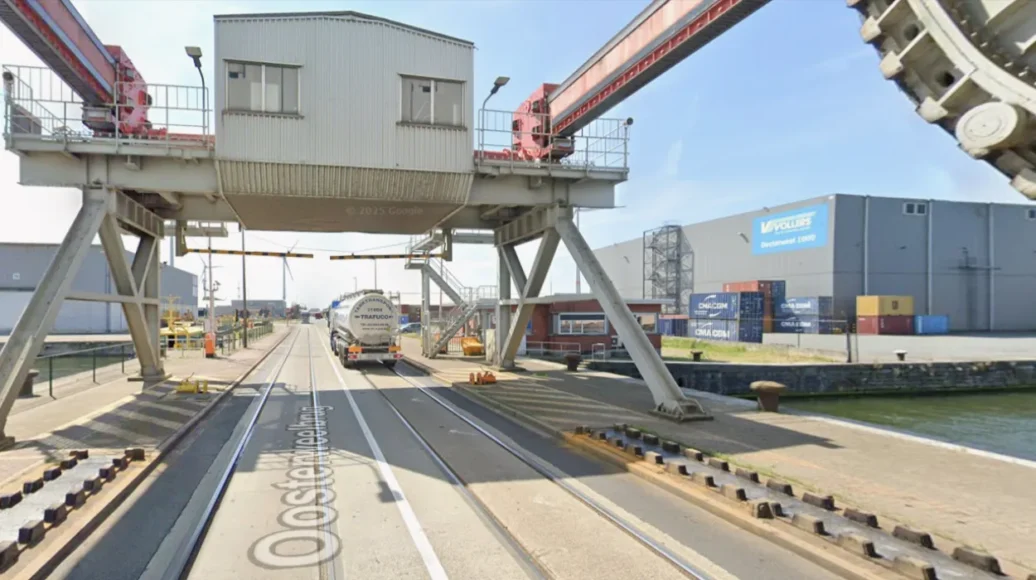
Oosterweel Works Close Deurne On-Ramp on Antwerp Ring for Weekend
Antwerp (Eurotoday Newspaper) – Motorists heading from Deurne onto the Antwerp Ring (R1) towards Ghent and Brussels will face a full closure this weekend as part of the ongoing Oosterweel connection programme.
The Deurne entrance will be fully blocked from Friday night September 4th, starting at 23:00, through Sunday morning September 6th, until 11:00, as announced by the traffic information an
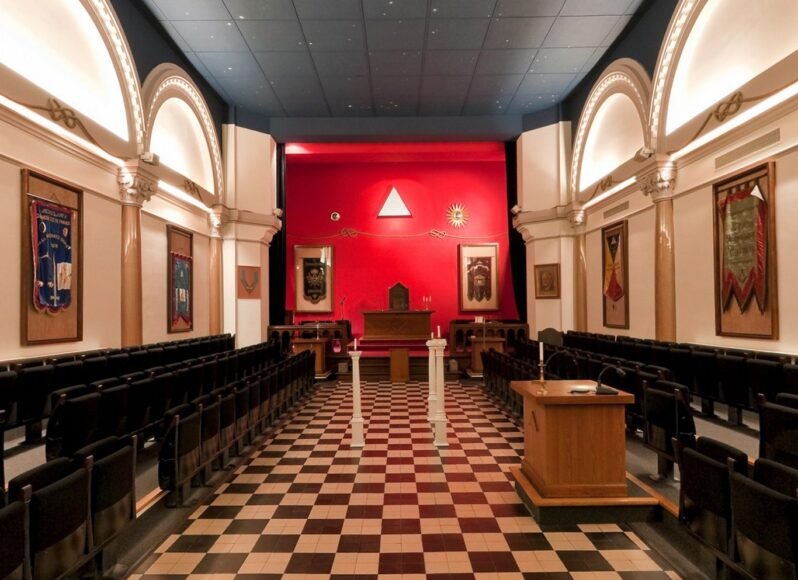
Ceremonial: Addressing Brethren in Freemasonry
In different rituals, specific titles are used at each initiation degree during official meetings. In the 1st and 2nd degrees, Masons are called Brethren; in the 3rd, Worshipful Masters; in the 4th, Secret Masters; in the 5th, Worshipful Secret Masters; in the 6th, Guardians of Solomon; in the 7th, Priests and Judges; in the 8th, Gloriou
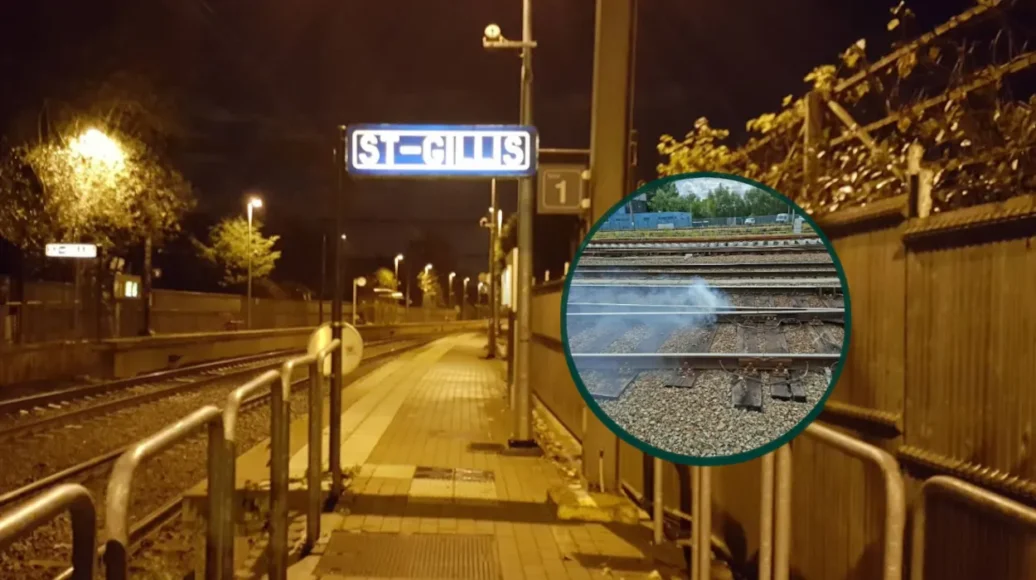
Train Services Disrupted by Minor Track Fire in Sint-Gillis-Dendermonde
Dendermonde (Eurotoday Newspaper) – Train traffic was temporarily halted on Wednesday afternoon after a small fire broke out on the railway tracks at Boonwijkstraat in Sint-Gillis-Dendermonde, a locality within the Dendermonde municipality in East Flanders, Belgium.
While the event was initially described as a trackside fire in initial reports and not one in a train, it did lead to the appropri
China Threat Strengthens Support for EU Industrial Policy
The IAA aims to mitigate this pressure, restricting Chinese investments in strategic sectors like EVs, raw materials, or solar pan
Leave a Reply