



Leuven (Eurotoday): Ten years ago, KU Leuven opened its historic library and tower to the public, enhancing community engagement. Van Kiel noted challenges in visitor management, but the decision increased cultural appreciation. The library, rebuilt post-World War I, will celebrate its 100th anniversary in four years.
Ten years ago, the historic university library and its well-known tower in Leuven opened to the public, which surprised many people because it was the city that made this decision, not the university. This change shocked the university staff, who were used to the library only for students and researchers. Van Kiel, who now works at the university, said that allowing the public into such an important building brought challenges, especially since it was believed that it could safely handle more visitors. The university had to solve different technical and practical problems to open the historic space to everyone.
What benefits have emerged from KU Leuven’s decision to open its library to the public?
It has been said that even with the challenges, the university quickly realized the benefits of opening the library and tower to the public. This choice allowed them to share the important history and cultural values with many more people. The library became a popular spot, attracting visitors who wanted to see its beautiful design and learn about its significance. Over the past ten years, this decision has helped the university tell the library’s story, improving the cultural scene in Leuven and bringing the university closer to the community.
During World War I, the Leuven library was destroyed, but with help from several countries, it was rebuilt at Ladeuzeplein. Van Kiel shared that the story of its rebuilding is his favorite part of the tour, and visitors can enjoy a great view of Leuven from the tower. The city is pleased with the library’s popularity, as shown by the increasing number of visitors and social media mentions. In four years, KU Leuven will celebrate the library’s 100th anniversary and plans to improve the tour by highlighting global support during its rebuilding and showcasing more of its heritage collections.
Comments
6 responses to “KU Leuven’s Historic Library: Celebrating a Decade of Public Access and Cultural Renaissance”
-
Ah, the KU Leuven’s Historic Library—where the dusty tomes have finally decided to let the common folk in after a decade of playing hard to get. It’s like a cultural renaissance, they say, as if a library could throw a party without a single pint of beer in sight. Bravo, Leuven, for unlocking the doors to knowledge—just don’t let the masses spill their €5 lattes on those precious manuscripts!
-
Ah, KU Leuven’s Historic Library—a decade of opening its doors to the public like a well-meaning café that finally decided to serve more than just coffee in a cup. What a bold move to let the masses in, as if they’ve unearthed the secret to eternal youth along with a few dusty tomes. Who knew that a cultural renaissance could sprout from a pile of ancient books and a hint of Belgian wit? Bravo!
-
Ah, KU Leuven’s Historic Library—because what better way to celebrate a decade of public access than by letting the masses finally experience the joy of dusty books and the occasional whiff of moldy parchment? One can only imagine the cultural renaissance brewing over a cup of stale coffee in the corner, as patrons ponder the deep existential questions of why they didn’t just download the e-book instead. But hey, at least they have a proper excuse to wear their finest berets and pretend they’re in a French film!
-
Ah, KU Leuven’s Historic Library—because nothing screams “cultural renaissance” quite like a decade of letting the public in to admire centuries-old dust bunnies and the occasional parchment! It’s as if they realized that keeping all that history behind closed doors was less of a grand strategy and more of a classic Belgian “we’ll get to it when we get to it” approach. Cheers to finally unlocking the doors; now, if only they could also unlock the mysteries of why it took so long!
-
Ah, KU Leuven’s Historic Library—ten years of public access! Truly a groundbreaking revolution in the realm of dusty tomes and scholarly quietness. One can only imagine the thrill of flipping through centuries-old manuscripts while sipping on a lukewarm espresso, proving that cultural renaissance truly means “let’s all have a gander at what the nerds were up to back in the day.” Bravo, Leuven, for turning the musty pages of history into an all-you-can-read buffet for the masses!
-
Ah, KU Leuven’s Historic Library—ten years of public access to dusty tomes and a cultural renaissance that’s just as thrilling as watching paint dry in a rainy Bruges. Who knew that throwing open the doors to centuries-old manuscripts would unleash such a tidal wave of excitement? Bravo, KU Leuven, for proving that even in the digital age, the past can still be a real page-turner—if you’re into that sort of thing!

Last News

Guerre au Soudan : al-Burhane, armes chimiques, islam politique et accusations contre les Émirats arabes unis

Germany’s Far-Right AfD Poised for Biggest Victory
The fact that 40% of voters backed the AfD, despite its regional branch being identified as a right-wing extremist group by the state intelligence agency and reports linking lead candidate Siegmund’s associates to an organization inspire
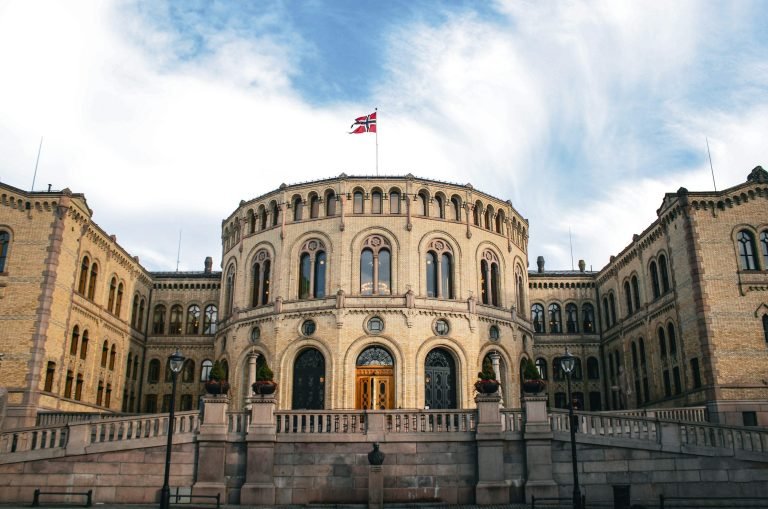
Norway Wealth Fund to Reduce US Treasury Holdings by $80bn, Oslo
Oslo, Norway, 4 September (Brussels Morning Newspaper) – Norway’s vast sovereign wealth fund has proposed sharply reducing its exposure to US government debt, a portfolio shift that could result in nearly $80 billion (£60 billion) being removed from US Treasury holdings. The Norway wealth fund, managed by Norges Bank Investment Management (NBIM), is seeking broader changes to its bond benchmark
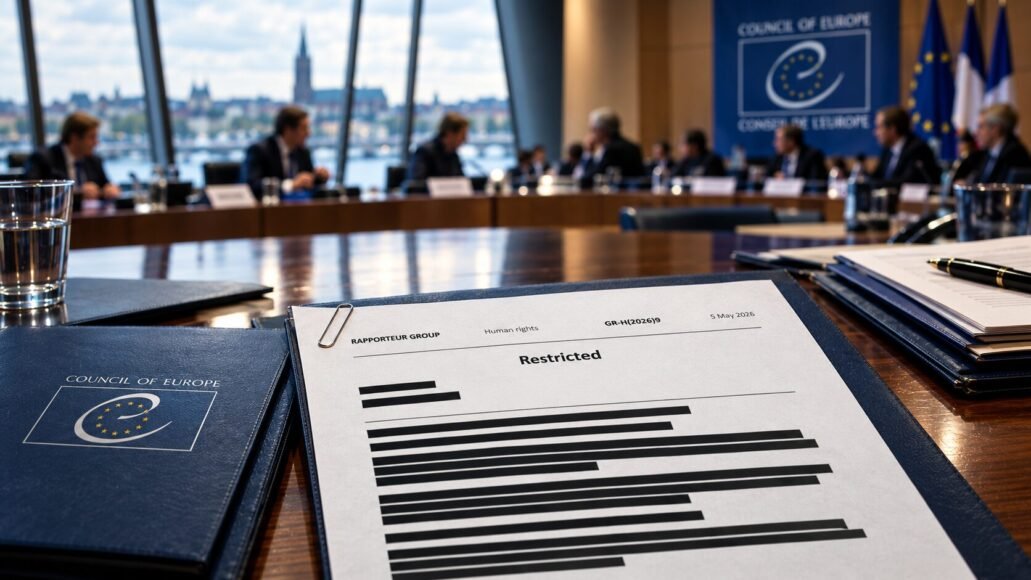
Confidential "study" used to dictate actions of the Council of Europe’s decision-making body

German Startup Achieves Milestone with First Successful Orbital Launch in Europe
We made history. On just our second flight, we became the first commercial space company from Europe to deliver satellites into orbit. Mission ‘Onward and Upward’ successfully lifted off and deployed payloads into orbit. A new chapter for European spaceflight. More:… pic.twitter.com/AWvqG2l8Mn
— Isar Aerospace (@isaraerospace) September 5, 2026
Germany’s Ministry for Research, Techno

Russian Attack Damages WHO Medical Supplies Warehouse in Kyiv Region, Ukraine
Kyiv Region, Ukraine, 4 September (Brussels Morning Newspaper) – A WHO warehouse attack in the Kyiv region has damaged one of the World Health Organization’s main facilities storing humanitarian medical supplies in Ukraine, with officials assessing possible losses after an overnight Russian air attack. No WHO personnel were reported injured.
WHO warehouse attack damages humanitarian supplies fac

Spectrum Achieves Orbit
The Spectrum rocket launched from Isar Aerospace
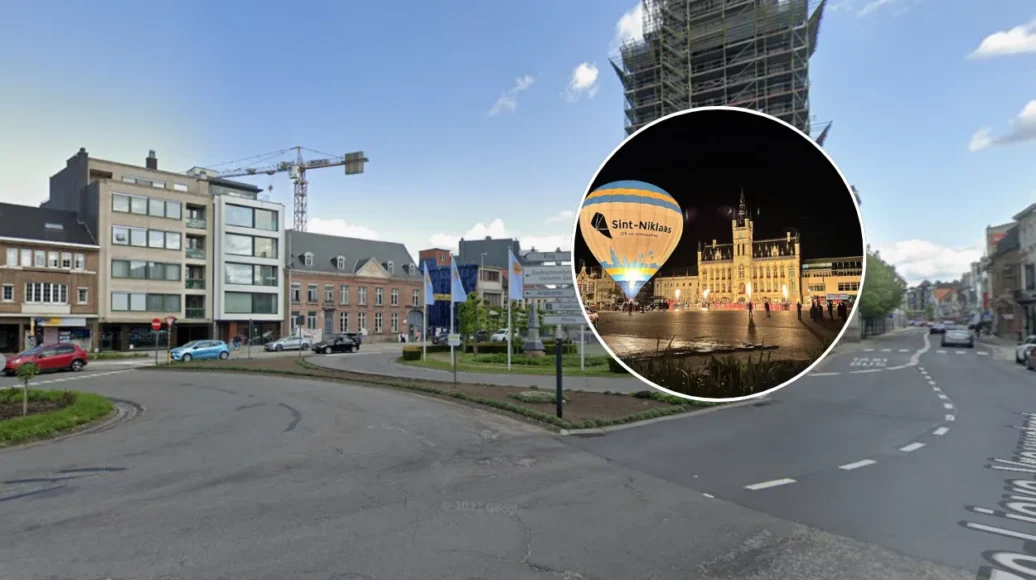
Strong Winds Halt Saturday Morning Balloons at Sint-Niklaas Peace Festival
Sint‑Niklaas (Eurotoday Newspaper) – No hot‑air balloons rose above the Grote Markt in Sint‑Niklaas on Saturday morning as excessive wind forced organisers to cancel the traditional launch window of the city’s Vredefeesten (Peace Festival), one of Europe’s oldest and largest balloon meetings. Although the morning period had been ruled out because of safety issues, festival organizers noted that
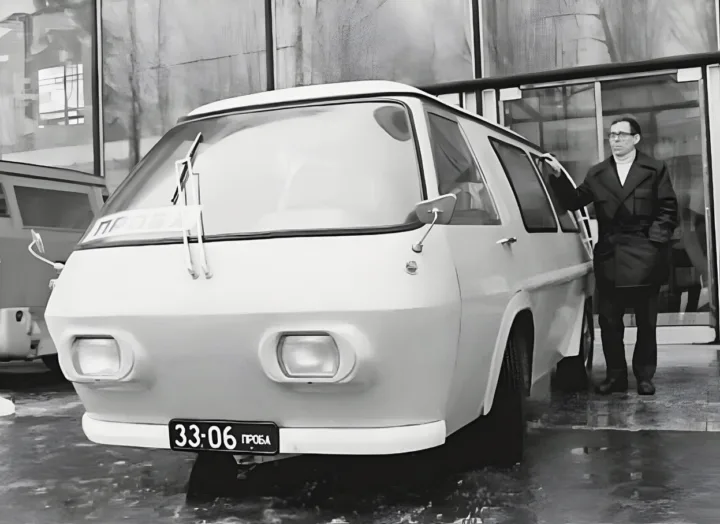
The First Soviet Hybrid Combines a ZAZ Combustion Engine and a Tram Electric Motor
UN Supports Initiative to Accurately Represent Africa on Maps Amid US Opposition
“A fair map does not change the geography of the world,” said Robert Dussey, Togo’s foreign minister and lead negotiator for the African group, ahead of the U.N. vote.
The non-binding resolution
Leave a Reply