


Harris’ remarks followed a closed-door meeting in Brussels involving the finance ministers of Germany, France, Italy, Spain, the Netherlands, and Poland, who discussed accelerating Europe’s efforts to compete with Wall Street.
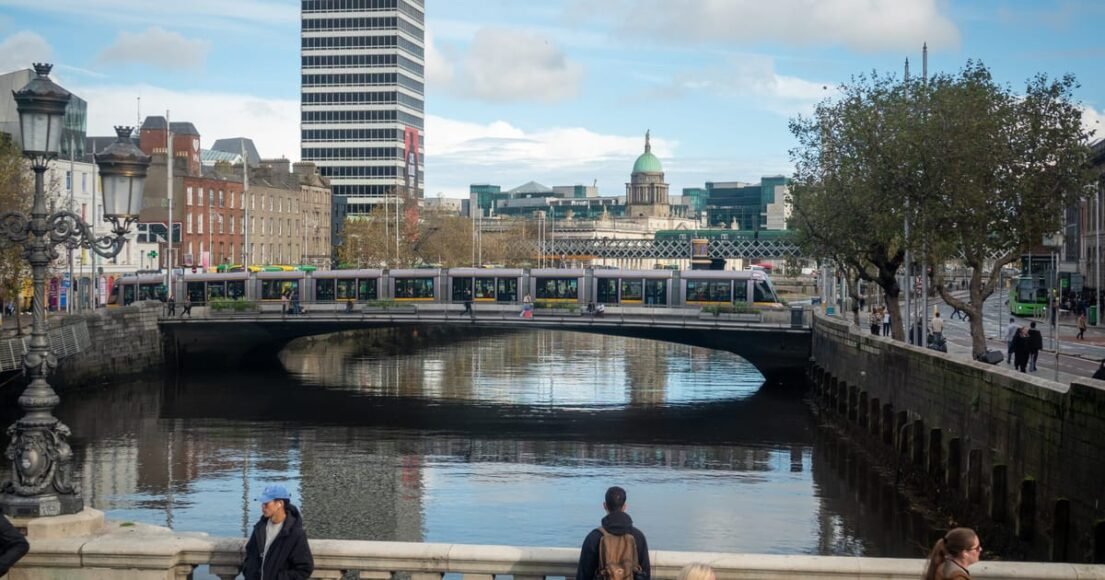
This poses a challenge for Dublin, which is directly affected by the plans to strengthen the bloc’s financial markets. The majority of Europe’s financial activities take place in Ireland and Luxembourg, both of which resist the creation of a unified EU oversight body for major financial entities across the bloc.
Monday marked the second E6 meeting of this nature, with another scheduled for March, driven by mounting frustration over the EU’s slow progress compared to U.S. and Chinese economic leaders.
The controversy over U.S. President Donald Trump’s interest in Greenland encouraged the EU’s leading nations to align politically before G7 meetings, particularly on securing vital raw materials.
“The Greenland issue was a wake-up call,” stated Germany’s finance minister, Lars Klingbeil, to reporters before the Eurogroup. “We will be transparent.” The aim is to reach consensus on key topics and present them to the broader EU, he mentioned.
The upcoming E6 meeting will concentrate on enhancing the euro’s global position and improving defense investments. Some are supportive, viewing E6 as a political strategy to nudge more reluctant countries on contentious matters.


Leave a Reply