


For decades, Washington has viewed Iran primarily through centrifuges, missiles, proxy forces, and military deterrence. Those threats are real. But this framework obscures the Islamic Republic’s deepest vulnerability: its broken relationship with Iranian society. If U.S. policy is meant to reduce the danger posed by Tehran rather than merely destroy selected facilities, it must begin with the people the regime fears most—its own.
The Islamic Republic’s behavior reveals where it feels most exposed. During nationwide protests, authorities arrest organizers and journalists, restrict communications, and shut down the internet. These actions are not signs of a government confident in popular consent. They are the defensive measures of a state that knows citizens’ ability to communicate and organize threatens its survival.
The scholar of nonviolent resistance Gene Sharp argued that Iran’s economic crisis and public anger are not, by themselves, enough to produce political change. Citizens also need to communicate, build trust, and sustain collective action.
Hannah Arendt distinguished power, which depends on collective consent, from violence, which rulers use when genuine power is failing. That distinction clarifies Iran’s political reality. The expansion of prisons, surveillance, executions, and security forces should not be mistaken for durable strength. It demonstrates how much coercion the state now requires to govern a society it can no longer persuade.
The death penalty is central to this system of fear. Amnesty International recorded at least 2,159 executions in Iran in 2025, more than double the previous year’s figure. Amnesty has described Tehran’s use of executions as a means of crushing dissent, especially after military hostilities. Stopping executions is therefore not only a moral imperative. It would weaken one of the government’s most powerful instruments of political control.
Military strikes may destroy weapons or delay a nuclear program, but they cannot create democratic legitimacy inside Iran. They can also kill civilians, encourage nationalist mobilization, and give the authorities a wartime justification for imprisoning opponents as enemy collaborators. Amnesty documented this pattern following the 2025 escalation. A policy centered on bombing could unintentionally reinforce the repressive machinery it is supposed to weaken.
Washington needs a different center of gravity. It should make a moratorium on executions and the release of political prisoners central to diplomacy; help Iranians obtain secure, uncensored internet access; impose targeted sanctions on judges, prison officials, and commanders responsible for repression; and support independent media and peaceful civil-society networks. Broad measures that impoverish ordinary families while enriching black-market institutions tied to the state should give way to accountability aimed at the repressors themselves.
Iran’s history explains why political prisoners matter strategically. In 1988, after accepting a ceasefire in the Iran-Iraq War, the government secretly executed thousands of imprisoned dissidents. Amnesty International has described those killings as ongoing crimes against humanity. At a moment of national weakness, the state did not fear a foreign army alone; it feared organized opponents who might reconnect with a discontented society.
None of this means Washington should select Iran’s future leaders or pursue regime change through invasion. The objective should be to protect Iranians’ ability to determine their own political future. Supporting communications, independent civic organization, political prisoners, and accountability for state violence strengthens self-determination without placing American troops in another Middle Eastern war.
Congress and the administration should measure Iran policy accordingly: not only by uranium stockpiles or missiles destroyed, but also by whether political executions decline, prisoners are freed, communications remain open, and officials who order repression face consequences. Human rights are not a decorative addition to strategy. In Iran, they are part of the strategic contest itself.
The choice is not between accepting Tehran’s conduct and launching an endless war. There is a more effective and humane alternative: constrain the state’s ability to repress while expanding society’s ability to organize. The decisive contest over Iran’s future will not be settled in its skies. It will
Comments
6 responses to “Iran’s Greatest Vulnerability Is Not on the Battlefield”
-
Who knew Iran’s real Achilles’ heel was its own people? Makes you wonder if the regime’s motto is “fear is power,” or just a really bad PR strategy. 😂
-
So, it turns out Iran’s biggest weakness isn’t its nuclear program but rather its inability to connect with its own people—who knew? 🤔 Maybe the next big export should be some good old-fashioned therapy rather than missiles! 😂
-
Doesn’t it just warm your heart to see a regime so terrified of its own people that they’d rather shut down the internet than face a few angry tweets? Classic case of ‘fear factor’ – who needs a battlefield when you have a society ready to spill the tea? ☕😏
-
Seems like the real battlefield in Iran is the one between the regime and its own people—who knew that a broken relationship could be more dangerous than a nuclear program? Talk about a classic case of “you can’t bomb your way to friendship!” 😂
-
Seems like the real battlefield is in the hearts and minds of the Iranian people, not in the airstrikes. But hey, who needs democracy when you’ve got a fancy missile parade, right? 🤷♂️💼
-
Seems like Iran’s biggest issue isn’t the missiles after all, but rather a pesky little thing called public opinion. Who knew that a government could be so scared of a few hashtags? 😂
-
Seems like the Iranians have mastered the art of self-sabotage—who needs a battlefield when you can just shoot yourself in the foot with state-sponsored paranoia and a knack for turning protests into a game of whack-a-mole? 🍂💼

Last News
Iran’s Greatest Vulnerability Is Not on the Battlefield
For decades, Washington has viewed Iran primarily through centrifuges, missiles, proxy forces, and military deterrence. Those threats are real. But this framework obscures the Islamic Republic’s deepest vulnerability: its broken relationship with Iranian society. If U.S. policy is meant to reduce the danger posed by Tehran rather than merely destroy selected facilities, it must begin with the pe

EuroHPC Joint Undertaking Initiates AI Gigafactories Call
Spain Faces Migration Surge as Thousands Cross from Morocco
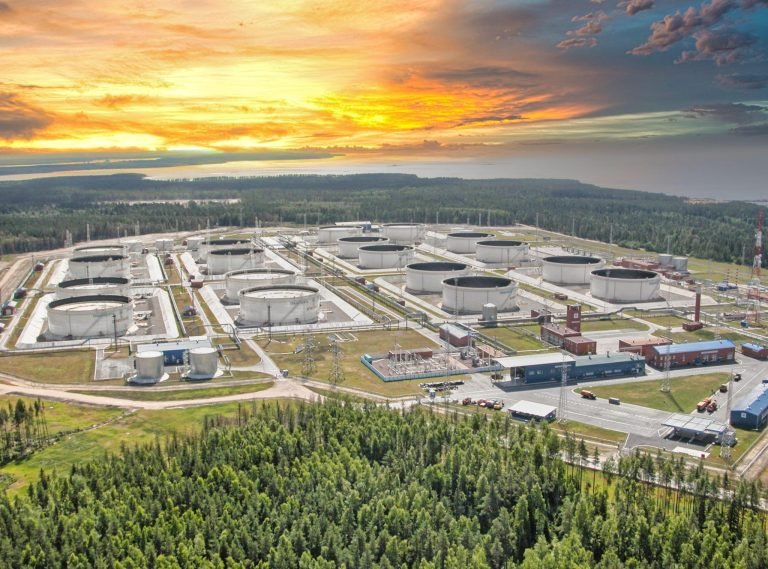
Russian Gasoline Market Continues to Experience Regional Fuel Supply Issues
Moscow, July 25 Eurotoday — Russian gasoline market conditions remain challenging in several regions despite efforts to improve fuel distribution, according to Russia’s deputy prime minister. State news agencies reported that while the overall domestic fuel situation has become more stable, some areas continue to experience supply difficulties due to logistics, seasonal demand, and regional dist

European Zoos Recycle Wastewater with Circular Solutions
The LIFE4ZOO project, a 3.5-year, €2.7 million initiat
Potential US-Iran Conflict Threatens Britain’s Economy
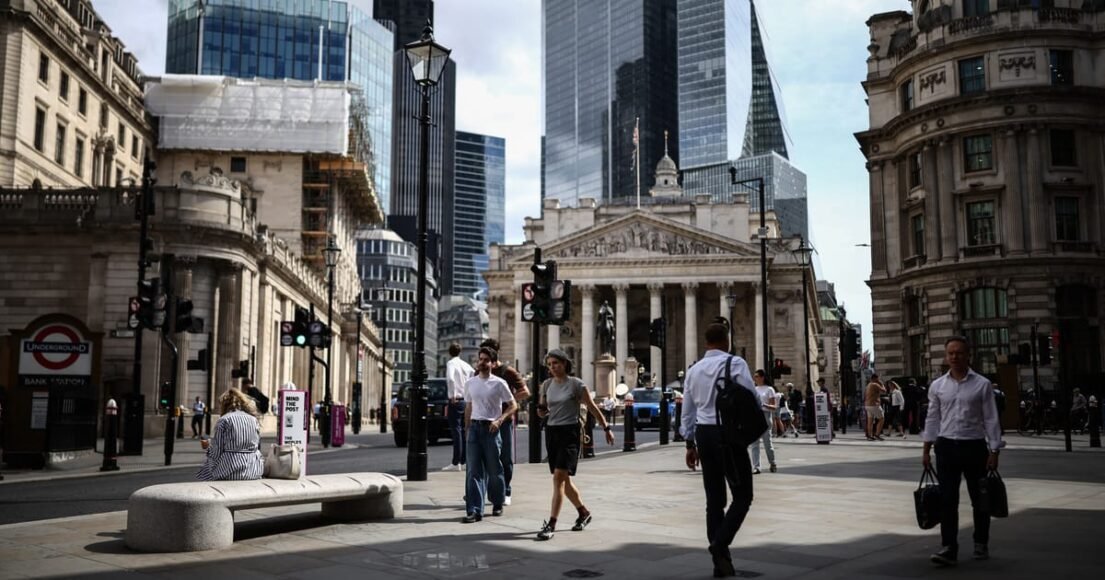
In the U.K. and EU, the U.S.-Iran temporary ceasefire has given policymakers hope that the conflict’s impact could be short-lived. There are signs of economic resilience, with lower services and food i
Suspect Sought in Berlin Pride as Germany Probes Islamist Attack
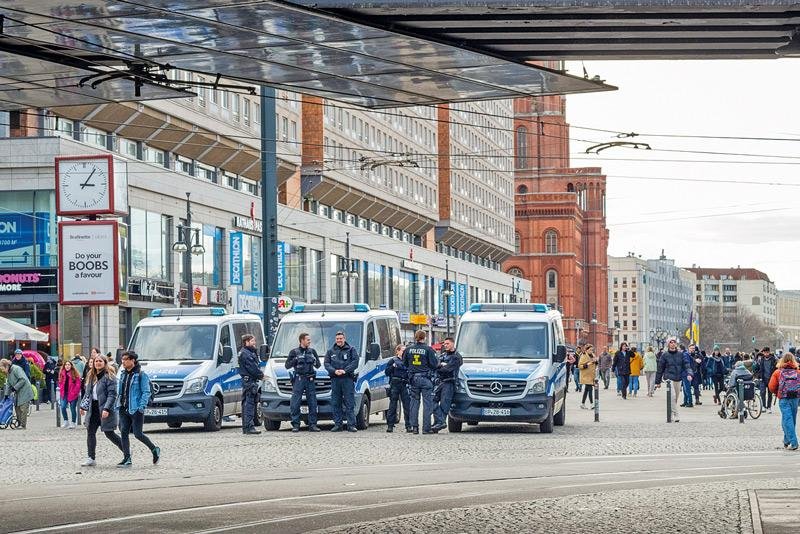
Berlin, Germany, July 26 Eurotoday Newspaper — Berlin Pride suspect remains the focus of an extensive police investigation after German authorities said early evidence indicates the deadly attack near Berlin’s Christopher Street Day (CSD) Pride celebrations was motivated by Islamist extremism. One person was killed and several others were injured during the incident, prompting a large-scale poli

Scientology Efforts Promote Human Rights and Community Support in Europe and Beyond
KINGNEWSWIRE // PRESS RELEASE // Activities in Spain, Italy, Ireland, Denmark, Nepal and Venezuela united volunteers, educators, public representatives, and civil-society organisations for human rights, prevention, cultural understanding, and practical help.
BRUSSELS, Belgium, 30 July 2026 — Religious communities, educators, public figures, artists, and humanitarian volunteers participated i

Object crashes in Poland amid Russian strikes on Ukraine
Polish Prime Minister Donald Tusk is heading to the site, stated government spokesperson Adam Szłapka.
“I convened a coordination team with the Minister of Defense and relevant services, who have been working on-site for hours, providing updates on the incident’s circumst
Water Supply Failure Disrupts Both Terminals at London Gatwick Airport
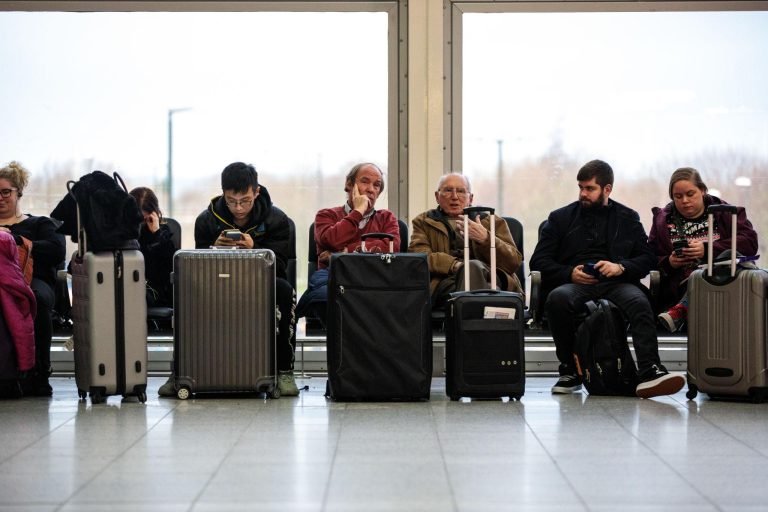
London, July 26 Eurotoday Newspaper — London Gatwick disruption affected passengers travelling through Britain’s second-busiest airport after a water supply failure disrupted services across both terminals. The issue was linked to a power outage at SES Water’s Bough Beech Water Treatment Works, causing reduced water pressure and temporary supply interruptions. Although flights continued to opera
Leave a Reply