


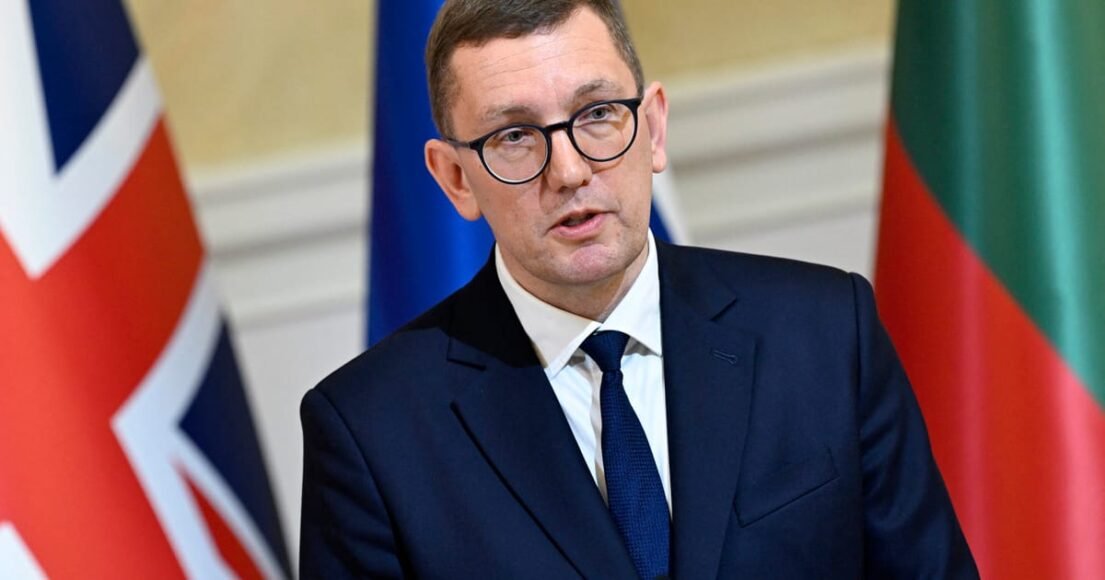
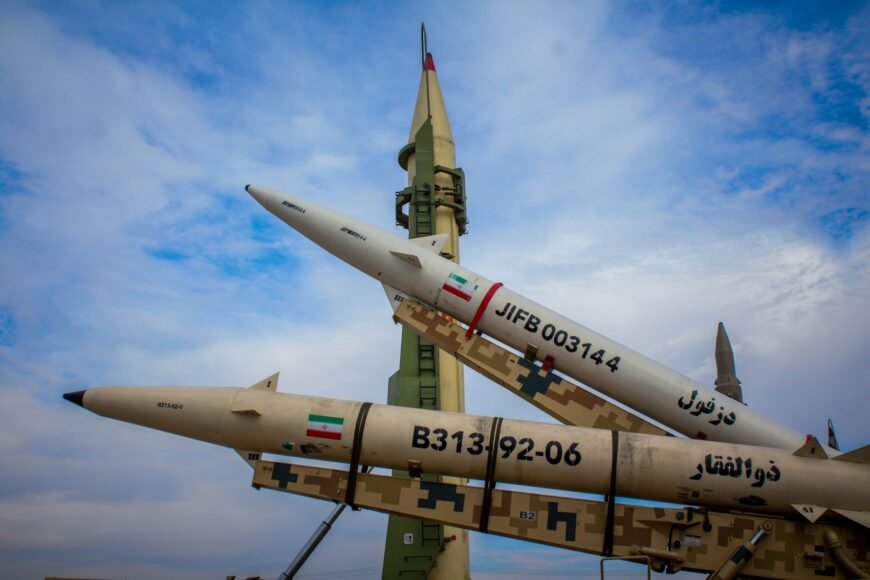
At a briefing at the U.N. headquarters in New York, President Sara Hossain reported that conditions had worsened following Israeli airstrikes, which allegedly killed over 1,000 people. Iranian government figures state that 276 civilians, including 38 children and 102 women, were among the dead, and over 5,600 people were injured. Civilian infrastructure, including medical facilities and schools, suffered damage. The government also reported that Tehran’s Evin prison was struck without warning. Around 80 people, including prisoners, family members, staff, and at least one child, were killed. The prison housed approximately 1,500 inmates at the time, including human rights defenders and activists. Ms. Hossain also expressed concern over Iran’s response, which included missile strikes against Israel, resulting in 31 deaths and over 3,300 injuries.
The consequences of the strikes led to domestic repression in Iran, further eroding respect for the right to life. The Human Rights Council designated investigators documented arrests of thousands, including lawyers, journalists, and human rights defenders. The number of executions in Iran increased, reaching the highest level since 2015. Most death penalty cases investigated appear to violate international human rights law, with laws expanding the death penalty for “espionage” and criminalizing certain social media content. Max du Plessis, a rights expert, indicated that those responsible for widespread execution could be held accountable for crimes against humanity. The crackdown affected ethnic and religious minorities, with over 330 Kurds and many Arabs arrested, and thousands of Afghans expelled. Baha’i community members were accused of being “Zionist spies,” resulting in arrests and property confiscation.
Other serious violence forms, including femicide, were reported, with 60 cases of “honor killings” documented between March and September 2025. Businesses serving women refusing mandatory hijab laws reportedly closed, and surveillance intensified. Reports indicate the “morality police” have resumed street patrols. The Fact-Finding Mission noted increased cases of transnational repression, including threats and surveillance of Iranian journalists’ families abroad. Over 45 media workers in seven countries faced credible threats. Ms. Hossain emphasized that denial of justice prolongs victims’ suffering and undermines international human rights obligations for accountability and justice.
Independent human rights expert Mai Sato condemned Israeli and American strikes as illegal under the United Nations Charter, noting continued internal repression in Iran. She described increased executions as a policy of fear, often following unfair trials. The Special Rapporteur highlighted transnational repression patterns, urging UN member states to support Iranian civil society and counter these threats.





Leave a Reply