


Brussels, Belgium, January 2026 — Brussels Morning Newspaper Highlights that Iran Europe relations have reached a defining moment as European policymakers and Iranian officials reassess the future of diplomatic engagement amid persistent regional tensions and shifting global dynamics. In a year marked by geopolitical uncertainty, Brussels has once again become the focal point for dialogue, reflection, and strategic calculation shaping ties between Tehran and Europe.
A Relationship Shaped by History and Caution
The relationship between Iran and Europe has never followed a straight path. Over decades, it has oscillated between engagement and strain, cooperation and disagreement. Diplomatic ties have endured wars, sanctions, and political change, reflecting a shared understanding that communication remains essential even when trust is limited. Today, Iran Europe relations are influenced as much by historical experience as by present day realities.
Europe’s Diplomatic Philosophy Toward Iran
European diplomacy traditionally emphasizes dialogue, multilateralism, and gradual confidence building. This approach stems from a belief that sustained engagement reduces the risk of escalation and preserves space for negotiation. In the context of Iran Europe relations, European officials continue to prioritize communication channels while balancing internal political pressures and external security concerns.
Iran’s Strategic View of Europe
For Tehran, Europe represents a distinct diplomatic partner with its own strategic value. Engagement with European capitals offers Iran avenues for political dialogue and economic interaction that differ from relations with other global powers. Iranian officials have repeatedly signaled that Iran Europe relations provide an opportunity to manage disputes through diplomacy rather than confrontation.

Economic Dimensions and Structural Constraints
Economic ties remain a central but constrained component of bilateral engagement. Trade volumes, financial mechanisms, and investment prospects are shaped by international regulations and political decisions. Despite these limitations, economic considerations continue to influence Iran Europe relations, reinforcing the link between diplomacy and material interests.
Sanctions and Legal Frameworks
Sanctions regimes have profoundly shaped the scope of engagement. European policymakers operate within complex legal frameworks that limit economic cooperation while allowing diplomatic dialogue. These constraints are a defining feature of Iran Europe relations, shaping expectations on both sides and reinforcing the incremental nature of progress.
Regional Security as a Core Concern
Developments across the Middle East heavily influence diplomatic priorities. Conflicts, ceasefires, and security incidents create a volatile environment in which diplomacy must operate. European officials consistently highlight regional stability as a shared interest, framing Iran Europe relations as part of a broader effort to reduce conflict risks.
Brussels as a Diplomatic Hub
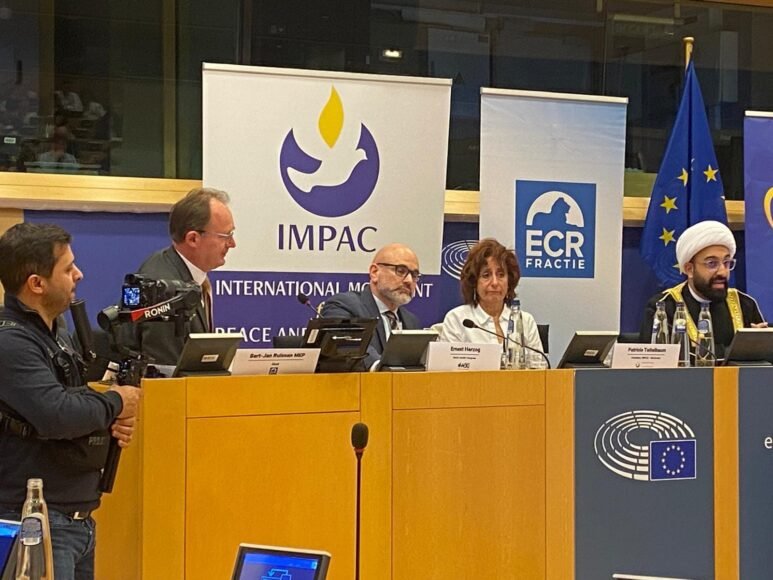
Brussels occupies a unique position as the center of European coordination. Meetings,



Leave a Reply