



On January 20, following a rare tropical cyclone that resulted in over 1,000 deaths and the destruction of more than 175,000 homes, Indonesian President Prabowo Subianto announced that Toba Pulp Lestari and other logging, mining, and hydropower companies would cease operations in the country. Recently, HKBP and other churches have led protests demanding the cessation of these activities that have harmed local communities and the environment for decades.
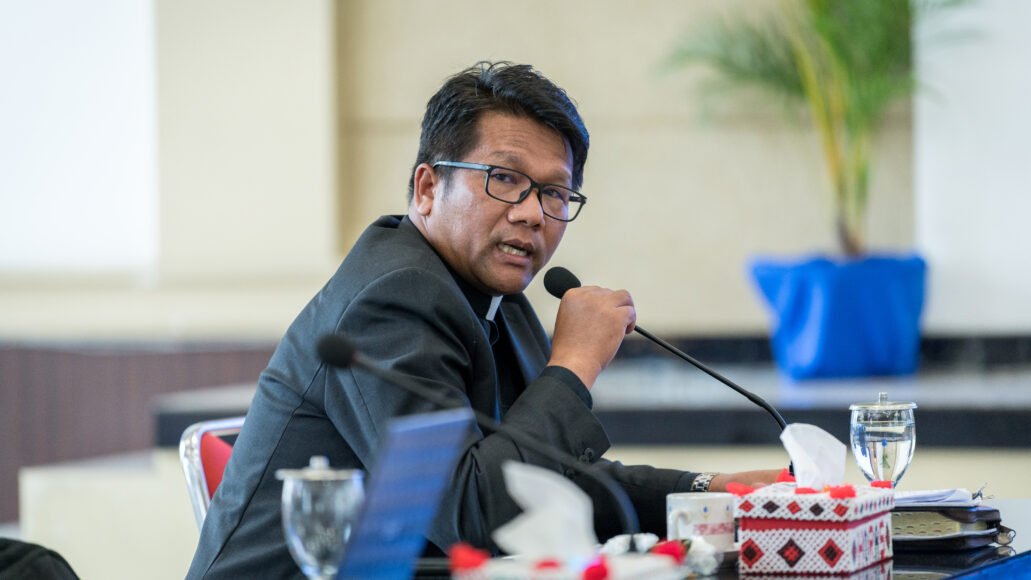
“In the early 1990s, when Toba Pulp began operations, our community strongly opposed it,” Sinaga recalled. “During that period, some pastors were arrested and imprisoned during protests. Over 35 years later, some are still serving in the church and are thrilled about this historic decision,” he noted. Over the past year, HKBP, alongside other Christians and faith groups, increased their demands, applying pressure on the government for action.
“Most people affected by the pulp company around Lake Toba are HKBP members,” stated Sinaga. “Research has highlighted the environmental impact, with one of the most visible being the monoculture planting of vast eucalyptus tree areas, which degrades the soil and causes long-term land damage,” he explained.
Sinaga also mentioned other disasters, such as flash floods and landslides around Lake Toba in late 2023, leaving several people dead. “Due to soil erosion, trees and plants can’t root, resulting in mud and car-sized rocks sliding down mountainsides, destroying homes and killing people,” he said. “When we visited affected families, they were devastated by the tragedy, although the company denied responsibility,” he added.









Leave a Reply