


Delhi/Islamabad (Eurotoday) – India and Pakistan have agreed to halt hostilities following a flurry of cross-border strikes that stirred fears of a wider conflict. Officials from both countries confirmed that a ceasefire is in effect, although explosions were reported in India-administered Kashmir and parts of Pakistan just hours after the announcement.
The unexpected truce was first revealed by US President Donald Trump on social media, who claimed it was the result of overnight negotiations led by Washington. While a Pakistani official praised the US for its role in the talks, Indian sources downplayed any significant American involvement.
What Triggered the Latest Round of Cross-Border Violence?
Tensions escalated after the killing of several tourists in Indian-controlled Kashmir last month. On Wednesday, India responded by launching “Operation Sindoor,” targeting areas in Pakistan and Pakistan-administered Kashmir, accusing Islamabad of orchestrating the attack. Pakistan has denied any involvement in the killings.
What Role Did Marco Rubio and JD Vance Play?
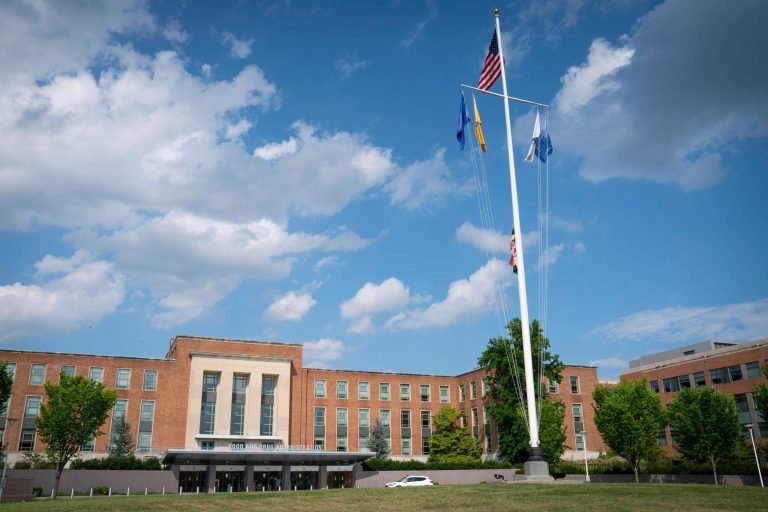
According to US State Department spokesperson Tammy Bruce, the ceasefire agreement followed intense diplomatic exchanges over 48 hours involving US Secretary of State Marco Rubio and Vice President JD Vance.
“It was a lovely collaboration,” Bruce stated during an appearance on News Nation.
“This was the outcome of Vice President JD Vance, as well as the entire government, putting President Trump’s insight and vision into practice, along with my man, Secretary of State Marco Rubio, of course,” she added.
Why Does India Downplay US Involvement in Negotiations?
India’s Foreign Secretary Vikram Misri, while confirming the agreement, did not acknowledge any role by the United States. Instead, an official Indian statement described the deal as being negotiated “directly” between New Delhi and Islamabad. In contrast, President Trump insisted the US facilitated the deal.
A Pakistani source with knowledge of the negotiations told CNN that US intervention—particularly by Rubio—was instrumental in brokering the ceasefire.
“It’s been a long 48 hours, but this is the point of what we do,” Bruce commented.
“There were multiple phone calls at multiple levels with each government, including conversations with the prime ministers during this time. JD Vance and Secretary Rubio clearly made a difference,” she said.
She expressed hope that continued dialogue will allow the ceasefire to hold.
Pakistani Prime Minister Shehbaz Sharif publicly thanked President Trump for his role in securing the agreement. In a post on X (formerly Twitter), made three hours after Trump’s announcement, Sharif commended the US president’s leadership and “proactive role” in fostering peace in the region.
What Did the UN Secretary-General Say Regarding the Ceasefire?
UN Secretary-General António Guterres welcomed the development, calling it a “positive step toward ending current hostilities and easing tensions.” In a statement, his office expressed hope that the agreement would pave the way for resolving long-standing issues between the two neighbors.
“The United Nations stands ready to support efforts aimed at promoting peace and stability in the region,” the statement noted.
What Is the Status of the Ceasefire?
Despite the formal announcement, there were immediate reports of ceasefire violations in the volatile region of Indian-administered Kashmir. Strong explosions were heard in Srinagar, the region’s capital, raising questions about the truce’s durability.
“What the hell just happened to the ceasefire? Explosions heard across Srinagar,” posted Omar Abdullah, Chief Minister of Jammu and Kashmir, on X.
Eurotoday is a daily online newspaper based in Belgium. It delivers independent and in-depth reporting on European and international affairs, with a particular focus on EU policy, major developments in Member States, and the broader global agenda from a distinctly European perspective.







Leave a Reply