



Greece (Brussels Morning) What once appeared to be an unbreakable partnership now shows clear signs of strain. The alliance between Saudi Arabia and the United Arab Emirates, forged at the outset of the Yemen war, has been tested by diverging strategic priorities, particularly over the role of Yemeni separatist forces.
While Riyadh has doubled down on its support for Yemen’s internationally recognized government, Abu Dhabi has stepped back from its earlier backing of southern autonomy movements, exposing fractures that had long been obscured by the shared objective of confronting the Houthis.
The shift raises broader questions about the Emirates’ reliability as a long-term partner and the extent to which states or political actors can depend on its commitments. By contrast, Saudi Arabia is increasingly positioning itself as the region’s dominant power, leveraging political, economic and diplomatic pressure to shape outcomes in its favor.
Central to this strategy is the pursuit of influence over another critical theater, where control of key maritime chokepoints, alongside leverage in Somalia and potentially Somaliland, would allow Riyadh to project power over vital shipping lanes and exert a decisive influence on regional stability.
The rift between Saudi Arabia and the United Arab Emirates over Yemen did not emerge overnight but crystallized around a concrete rupture that laid bare their diverging ambitions.
Tensions came into the open when Saudi forces struck a shipment at a key Yemeni port that Riyadh believed was intended for UAE-aligned southern factions, a move Saudi officials framed as an unacceptable breach of coalition discipline.
The episode underscored how the two partners, once bound by a shared campaign against the Houthis, had come to support rival political endgames inside Yemen.
For Abu Dhabi, backing southern power brokers offered a means of securing long-term influence over ports and maritime routes; for Riyadh, such moves threatened the authority of Yemen’s internationally recognized government and Saudi Arabia’s own primacy in shaping the country’s future. The fallout from that incident marked a turning point, transforming a quiet divergence into a strategic estrangement that continues to reshape Gulf power dynamics.
Two decades of regional (in)stability
The war in Yemen, now in its second decade, began as an internal rupture of fragile state authority that swiftly drew in regional heavyweights and turned a struggling Arab republic into a geopolitical battleground.
Rooted in long-standing political grievances and power struggles, the conflict sharpened in 2014 when the Iran-aligned Houthi movement seized the capital, Sanaa, forcing Yemen’s internationally recognized government into exile and prompting a Saudi-led coalition to intervene in 2015 in an effort to restore its authority and contain perceived Iranian influence on the Arabian Peninsula.
Over the years, the struggle widened beyond a simple north–south divide, devolving into a multi-layered civil war in which the Houthis entrenched control over much of northern Yemen while a loose alliance of pro-government forces, bolstered by Saudi and Emirati backing, fought to dislodge them.
More recently, the war’s dynamics have fractured further as the United Arab Emirates-supported Southern Transitional Council, a separatist force now holding significant territory in the south, has broken ranks with Riyadh’s preferred government, exposing deep fissures within the anti-Houthi camp and underscoring how Yemen’s conflict has become both a proxy for broader Saudi-Iran rivalry and a crucible of competing Gulf interests.
The toll has been catastrophic: one of the
Seems like the Saudi-Emirati bromance is hitting the rocks faster than a cheap ouzo on a Friday night! 🍸 Who knew a little sand between the toes could cause such a fuss? 😂 Seems like the Saudi-Emirati bromance just hit a rough patch, eh?🤷♂️ Who knew supporting a civil war could lead to such awkward dinner conversations? 🍷 Looks like the Saudi-Emirati bromance hit a snag, eh? Who knew a little old civil war could turn best mates into rival power players? 😂 Blimey, who knew that “unbreakable partnerships” could crack faster than a cheap wine bottle at a dodgy tavern? Cheers to the Saudis and Emiratis for turning a civil war into a Eurotrip-level family squabble! 🍷😏 No need for a soap opera when you’ve got Saudi and Emirati drama in Yemen—who knew geopolitics could be so entertaining? 😂 Just grab your popcorn and watch the ‘best friends’ turn into frenemies! 🍿 Just what we needed, another example of two wealthy cousins arguing over who gets to control the family business—except this time, it’s a war zone instead of a fancy restaurant. 🍽️ Who knew geopolitics could be so… entertaining? 😂 Greece (Brussels Morning) What once appeared to be an unbreakable partnership now shows clear signs of strain. The alliance between Saudi Arabia and the United Arab Emirates, forged at the outset of the Yemen war, has been tested by diverging strategic priorities, particularly over the role of Yemeni separatist forces. USA (Brussels Morning Newspaper) – Canadian political leaders offered sharply divided reactions after US strikes on Caracas and the capture of Venezuelan President Nicolás Maduro. Ursula von der Leyen, President of the European Commission, says the EU “stands in full solidarity with Switzerland” following the tragic fire at Crans Montana which has claimed at least 40 lives, many of them young people. “This is a tragic start of the year for so many famil Reaction came from Renew Europe, another mainstream political group in the EU Parliament. “Nicolás Maduro is a ruthless, illegitimate dictator, who remained in power to persecute Venezuelans despite losing the July 2024 presidential elections – which both the UN Panel of Experts and the Carter Center confirmed were won by Edmundo González Urrutia. The European The United States conducted a significant military operation against Venezuela early Saturday, capturing President Nicolás Maduro and his wife, Cilia Flores, as announced by President Donald Trump. Ostend (Brussels Morning Newspaper) – Around 4,500 people joined Ostend’s New Year’s Day dip, entering knee-deep due to high waves. 5 needed brief medical attention, while the rest completed the icy plunge safely.
Comments
5 responses to “How Yemen Exposed the Saudi-Emirati Fault Line”
Last News

UK, France Strike IS Weapons Bunker in Syria
Royal Air Force Typhoon jets, along with French aircraft, conducted the strike near Palmyra in central Syria, the ministry stated.
“Intelligence analysis identified an underground facility in the mountains north of Palmyra,̶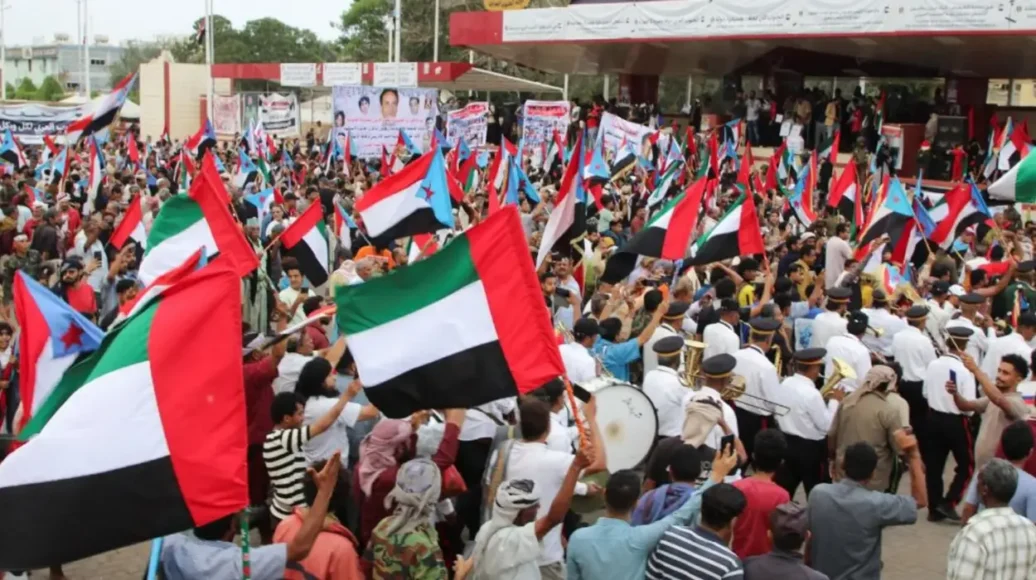
How Yemen Exposed the Saudi-Emirati Fault Line
While Riyadh has doubled down on its support for Yemen’s internationally rec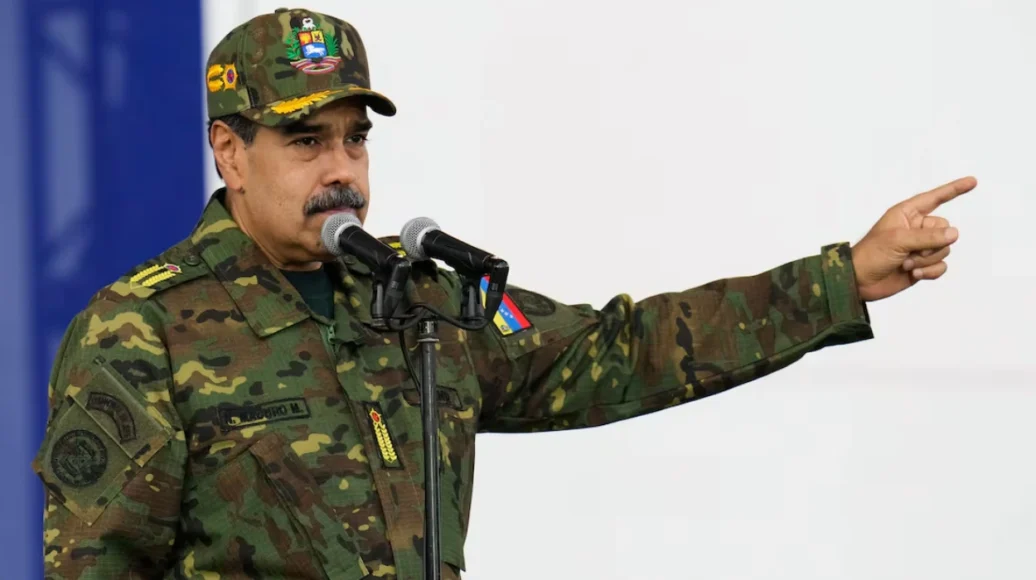
Canada Divided on US Strike and Capture of Nicolas Maduro
Foreign Affairs Minister Anita Anand claimed in a social media post that Canada has “refused to recognize any legitimacy of the Maduro regime and opposed its repression of the Venezuelan people, including the persecuti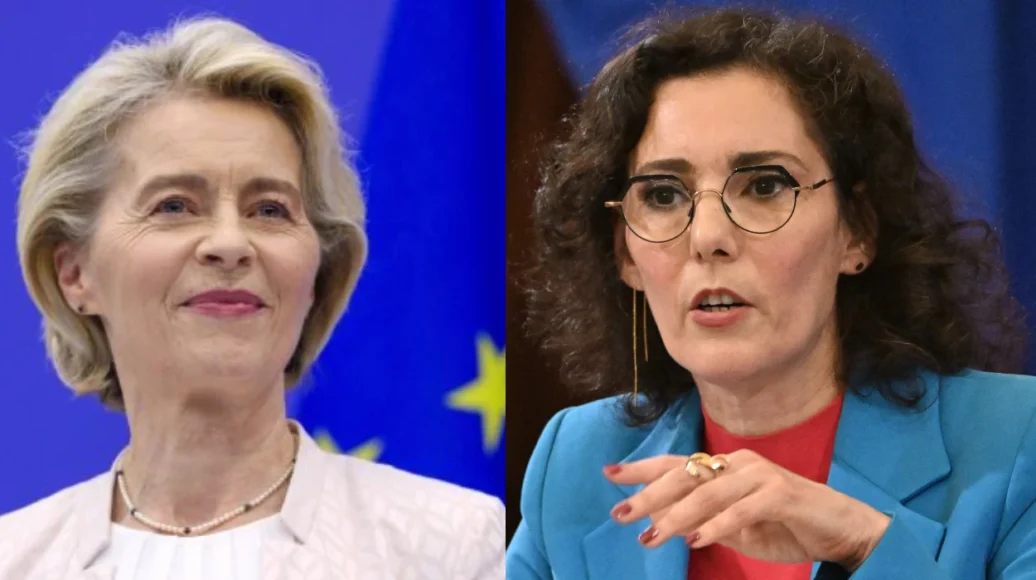
EU Stands in Full Solidarity with Victims of Swiss Fire Tragedy
She also pledged that the Union will help offer aid to the victims and their families after the tragedy.
She said, 
Renew Europe Condemns Maduro, Questions US Military Action in Venezuela
A statement from the group said, 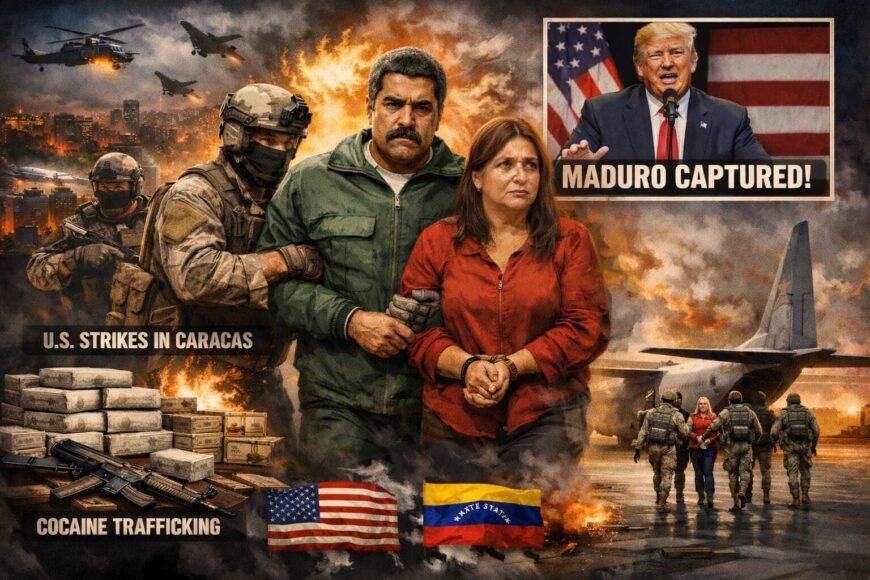
Operation to Arrest Maduro: US Strategy & Europe’s Sovereignty Concerns
The mission, carried out by Delta Force special operations troops, marks the first U.S. military intervention to remove a sitting head of state since Panama in 1989. The Trump administration has accus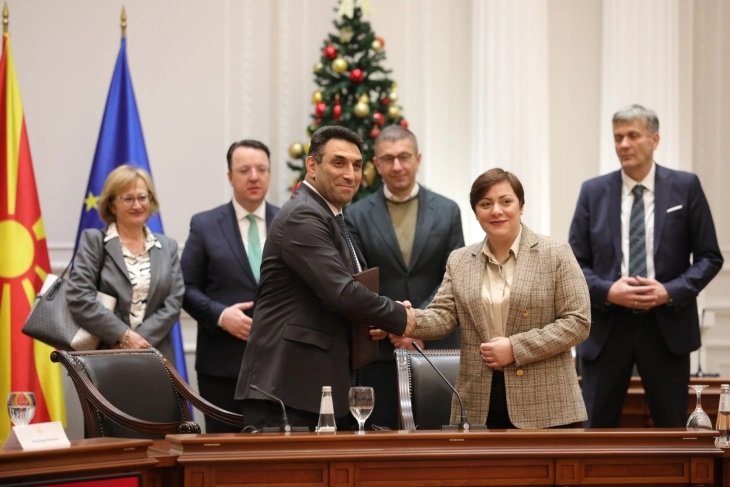
EBRD Loan to Fund Procurement of Electric Locomotives for ŽRSM Transport
Prior to the agreement signing, it was noted that
Zelenskyy Plans to Remove Another Top Spy — SBU’s Malyuk
“Malyuk is effectively positioned, and the security service’s achievements prove it. He made the SBU an ef
Ostend Welcomes 4,500 for New Year’s Dip with Mayor Crombez
As VRT News reported, in Ostende this afternoon, Jan 3, 2026, around 4,500 people gathered along the coast for the city’s traditional New Year’s Day dip in the North Sea. Organisers ha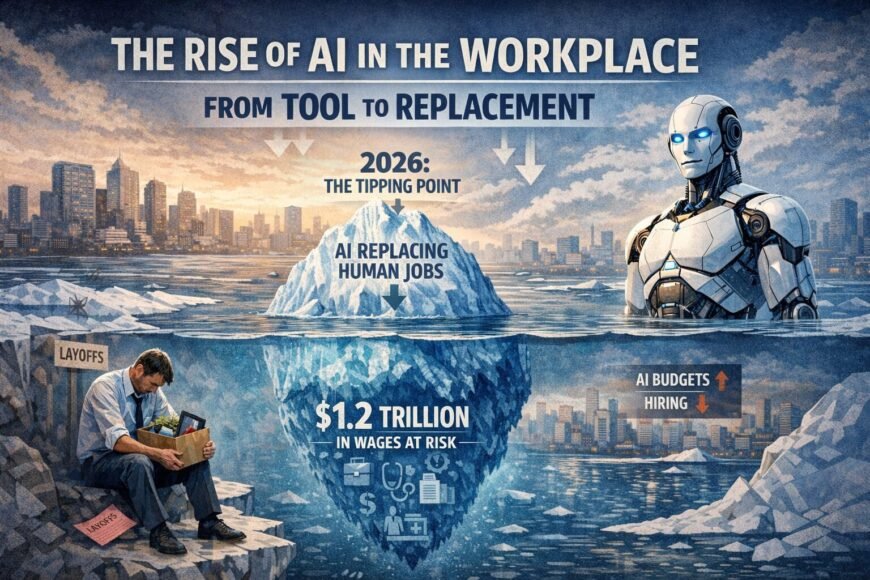
2026: The Year AI Transitions from Helping to Replacing Workers?
Enterprise investors surveyed by TechCrunch have spontaneously noted workforce impact, indicating a consensus that labor disruption is inevitable.
MIT research highlighted that 11.7% of U.S. jobs could be automated with curren

Leave a Reply