


A high-profile diplomatic meeting is set to take place in Florida as Donald Trump and Ukrainian President Volodymyr Zelenskyy prepare for talks centered on the future of the war in Ukraine. The summit comes at a moment of deep uncertainty, as battlefield realities, political pressures, and global fatigue with prolonged conflict converge.
Both sides are entering the discussions with cautious expectations. While the meeting signals openness to dialogue, it also underscores the complexity of pursuing peace amid entrenched positions, unresolved territorial questions, and competing strategic priorities.
The Florida summit is being closely watched by allies and adversaries alike, as any shift in tone or policy could have far-reaching consequences for Ukraine, Europe, and global security.
Why This Meeting Matters Now
The timing of the Trump–Zelenskyy meeting is significant. The war in Ukraine has entered a prolonged phase marked by attrition rather than rapid territorial change. After years of intense fighting, both sides face mounting economic, military, and political strain.
For Ukraine, sustaining military operations requires continued international support, while civilian infrastructure remains under pressure from ongoing strikes. For the United States and its partners, questions are intensifying over long-term funding, strategic objectives, and the feasibility of a negotiated settlement.
The summit reflects an acknowledgment that while battlefield dynamics remain critical, diplomacy cannot be sidelined indefinitely.
Trump’s Position: Negotiation and Leverage
Donald Trump has repeatedly argued that the war in Ukraine could be resolved through direct negotiation, emphasizing leverage, deal-making, and pressure on all parties to reach an agreement. His approach contrasts with more traditional diplomatic frameworks, favoring high-level engagement and transactional outcomes.
Supporters of Trump’s stance argue that prolonged warfare benefits no one and that a negotiated settlement, even an imperfect one, could halt bloodshed and stabilize the region. Critics, however, warn that negotiations conducted without firm security guarantees could risk legitimizing territorial gains achieved through force.
The Florida summit offers Trump an opportunity to articulate how he believes peace could be achieved—and what concessions, if any, he views as realistic.
Zelenskyy’s Calculated Engagement
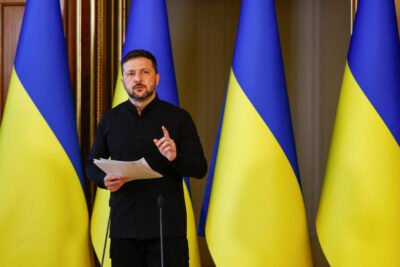
For President Zelenskyy, engaging in talks with Trump is a strategic calculation. Ukraine’s leadership has consistently emphasized that peace must preserve sovereignty, territorial integrity, and long-term security. Any discussions that appear to compromise these principles carry domestic and international risks.
At the same time, Zelenskyy faces the reality of war fatigue among partners and the need to keep diplomatic channels open. Participating in the Florida summit allows Ukraine to:
- Present its position directly
- Clarify red lines and conditions for peace
- Gauge future U.S. policy directions
- Reinforce Ukraine’s agency in negotiations
Zelenskyy has made clear that Ukraine will not accept imposed solutions, but his willingness to engage reflects a pragmatic recognition that dialogue remains essential.
Wary Expectations on Both Sides
Despite the significance of the meeting, expectations remain restrained. Neither side has suggested that the summit will produce an immediate breakthrough or formal agreement.
Diplomatic observers note several reasons for caution:
- Fundamental disagreements over territory remain unresolved
- Military operations continue along the front lines
- Domestic political pressures constrain flexibility
- Trust between parties remains limited
As a result, the Florida talks are widely viewed as exploratory rather than decisive—a step toward understanding positions rather than finalizing outcomes.
International Reaction and Strategic Implications
The summit has drawn close attention from European allies, NATO members, and global powers with stakes in the conflict. Any indication that U.S. policy could shift—particularly regarding military aid or negotiation frameworks—would ripple across alliance planning and defense strategies.
European leaders are particularly sensitive to the possibility of a frozen conflict that could leave unresolved security risks along NATO’s eastern flank









Leave a Reply