



With a new heatwave sweeping across parts of Europe, schools, rail networks, health services, and authorities are under pressure to respond. The immediate focus is on public safety: safeguarding children, the elderly, outdoor workers, and vulnerable groups. The broader challenge is ensuring Europe adapts swiftly enough to a climate where extreme heat is more frequent, intense, and challenging to manage.
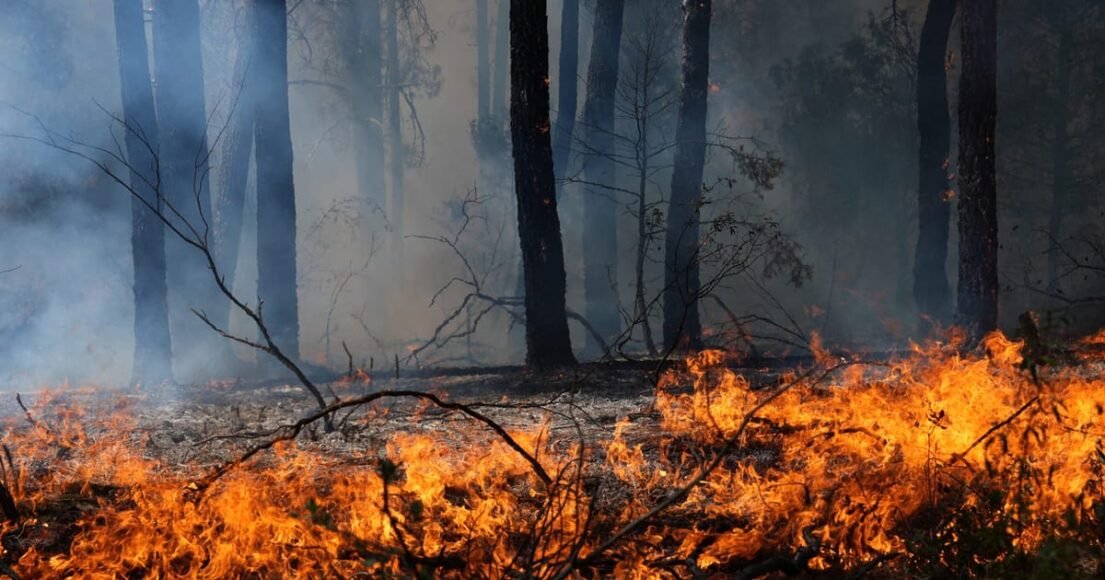
Europe is experiencing another severe heatwave, with France at the forefront of the current emergency and warnings impacting other regions. Authorities have taken steps to close or adjust schedules for hundreds of schools, limit exposure during peak heat, caution against unsafe swimming, and prepare hospitals and services for increased health risks.
This scenario measures climate resilience in daily life. What used to be considered unusual summer weather is now a public policy issue, affecting education, labor rights, public transport, urban planning, housing, and elderly care.
France under pressure as heat alerts rise
In France, the heatwave has led to high-level warnings across much of the country. Reporting by The Guardian indicates French authorities have placed numerous mainland departments under the highest danger-to-life heat warning, urging millions to exercise “absolute vigilance”.
Disruption is evident in classrooms. According to AFP-based reporting in The Straits Times, over 800 schools were expected to close for the day, while around 1,800 others adjusted teaching hours. For families, teachers, and officials, the question is not only whether lessons can continue, but whether school buildings are safe in extreme heat.
The heat has also highlighted public infrastructure vulnerabilities. Rail services, sporting events, and local services have faced disruptions, as authorities warn residents to avoid strenuous activity and direct sun during the most dangerous periods.
A European warning system, but uneven preparedness
The continent has systems to monitor and communicate weather risks. MeteoAlarm, the European early-warning platform, gathers alerts from meteorological and hydrological services across Europe. Its role is increasingly important as extreme weather becomes more frequent and disruptive.
However, warnings alone do not cool classrooms, protect outdoor workers, ventilate care homes, or redesign cities. Across Europe, the policy gap is apparent: forecasting has improved, but adaptation remains inconsistent.
Euronews has reported on the increasing danger of “tropical nights”, where temperatures stay high after sunset, giving the body little chance to recover. This is particularly perilous for older people, those with chronic illnesses, infants, pregnant women, people living alone, and those in poorly insulated homes.
The human-rights dimension of extreme heat
Heatwaves are often seen as weather events, but their impacts are deeply social. People with air-conditioned offices and flexible work are not exposed like delivery drivers, farm workers, construction crews, cleaners, carers, homeless individuals, prisoners, or children in overheated schools.
Thus, extreme heat is a human-rights issue as well as an environmental one. The right to health, safe working conditions, education, adequate housing, and protection from foreseeable risks are all highlighted when temperatures exceed what ordinary infrastructure can handle.
For Europe, the challenge is not






Leave a Reply