



Brussels (Eurotoday) – Agreement signed between Greece, the European Investment Bank and the Commission on a Decarbonisation Fund for Greek islands.
Executive Vice-President of the European Commission for the European Green Deal Maroš Šefčovič has signed with Greece and the European Investment Bank (EIB) an arrangement for the enactment of a national Decarbonisation Fund for the Greek islands, in Naxos (Greece) on 21 Nov 2024. Greek Minister of Environment and Energy, Theodoros Skylakakis, and EIB Vice-President, Ioannis Tsakiris co-signed the joint accord.
How will the fund support renewable energy projects?
As reported by the EU Commission, this fund will be financed through the auctioning of up to 25 million assistance from the EU Emission Trading System (ETS), calculated to be worth about €2 billion.
More than half will be supported by new renewable energy supply on the islands, including photovoltaic systems, offshore wind farms and stand-alone storage procedures. The Fund will also back the demand and distribution of renewable energy via schemes such as charging stations for electric vehicles and electricity interconnections. Finally, it will assist in climate adaptation and building strength to extreme weather circumstances. This is especially critical for Greece which is one of the most weak Member States in terms of climate risks.
What socio-economic benefits will the decarbonisation projects bring?
In his remarks, during the signing ceremony, Executive Vice-President Šefčovič stated: “Today’s signature of the trilateral deal with Greece and the European Investment Bank is a key landmark to enable the financing of investments in the decarbonisation of the Greek islands. Greece has a very enterprising project portfolio in the making that will not only help lower emissions and dependencies on fossil fuels but also generate substantial socio-economic benefits.”
Moreover, Šefčovič pointed out that it will be funded by the EU emission trading system. This is a great illustration of the opportunities formed by carbon pricing to facilitate green investments. He highlighted that the Commission stands ready to persist in supporting Greece in ensuring that climate policy goes hand in hand with just growth and industrial competitiveness.
Comments
8 responses to “Greece and EU Join Forces for Green Energy Projects”
-
Ah, nothing quite like Greece and the EU teaming up for green energy; it’s like a classic Greek tragedy, but instead of tragic heroes, we get solar panels and wind farms—with the added bonus of bureaucratic paperwork to really spice things up!
-
Ah, nothing like the prospect of Greece and the EU teaming up for green energy projects—because if there’s one thing the islands needed, it’s more paperwork and a sprinkle of bureaucratic charm to help combat the Mediterranean sun while we all try to ignore the fact that climate change is, you know, a bit of a hot topic.
-
Ah, splendid news! Just what we needed—Greece and the EU teaming up for green energy projects, because nothing says “eco-friendly” like bureaucrats in Brussels deciding the fate of sun-kissed Greek islands while sipping their lattes—let’s just hope they don’t accidentally power the islands with their own hot air!
-
Ah, nothing says “green energy revolution” quite like Greece and the EU teaming up—because if there’s one thing we all trust, it’s bureaucrats and politicians to navigate the sun-soaked chaos of Greek islands with renewable energy; I mean, what could possibly go wrong?
-
Ah, nothing screams “green energy revolution” quite like the EU and Greece teaming up—it’s like watching two ancient philosophers debate who can best juggle watermelons while the rest of us just hope they don’t drop the ball on climate change!
-
Ah, splendid news! Greece and the EU are teaming up to make the islands greener—because nothing says “eco-friendly” like shuffling around billions in emissions trading while keeping the ouzo flowing; it’s like trying to fix a leaky boat with a champagne cork, isn’t it?
-
Ah, splendid news indeed—Greece and the EU finally decided to put down their ouzo and tzatziki for a hot second to tackle climate change; who knew it would take the promise of €2 billion and a bit of carbon trading to convince them that solar panels could be more useful than sunbathing?
-
Well, isn’t this just peachy? Greece gets a Decarbonisation Fund while the rest of us are still trying to figure out how to keep the lights on without selling our firstborns. 🌱💸

Last News

Meulebeke Author Confronts De Wever on Ben-Gvir Comments
Tielt (Eurotoday Newspaper) – Writer Rino Feys from Meulebeke has addressed an open letter to Belgian Prime Minister Bart De Wever over statements made by Israeli National Security Minister Itamar Ben-Gvir.
Feys, who once belonged to the De Zondvloed bookshop in Roeselare, wrote to De Wever in reaction to the language used by the Israeli minister that was described by him as aggressive and extre
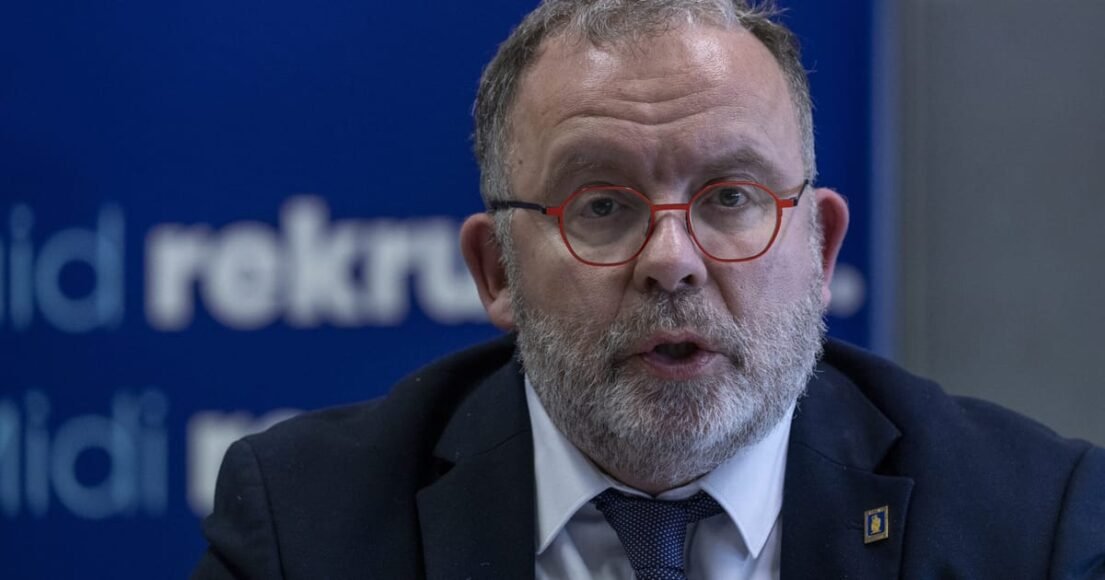
Gun Violence Shakes Brussels as Mayor Points Out ‘Bullet Holes in the Ground’
Saint-Gilles has been struggling with drug-related violence for years, especially around the train sta

Mika Godts Impresses in PSG Debut Against Rennes
Rennes, 24 August (Eurotoday) – Mika Godts made an encouraging first appearance for Paris Saint-Germain as the Belgian winger helped Luis Enrique’s side recover from two goals down to draw 2-2 with Rennes in their Ligue 1 opener. The Mika Godts PSG debut offered an early glimpse of the qualities that persuaded the French champions to invest in the 21-year-old this summer.
Godts enters as PSG fig

Costa tours the capitals — while Merz rallies the penny-pinchers
Four of Six Antwerp Businesses Closed; Three Held Administratively
Antwerp (Eurotoday Newspaper) – Authorities in Antwerp carried out a targeted inspection operation in which six businesses were examined, resulting in the administrative sealing of four premises and the administrative detention of three individuals.
Such an incident, which according to local government officials forms part of continuous endeavors towards enforcement of regulation, illustrates t
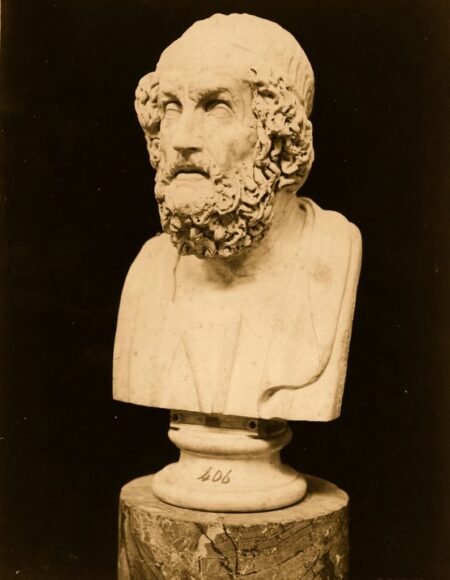
Greece Aims to Capitalize on Odyssey ‘Hype’

Aldi Recalls Zucchinis Due to Pesticide Levels in Belgium
Brussels, 24 August (Eurotoday Newspaper) – Aldi Belgium has recalled a batch of courgettes sold in its stores after excessive levels of the pesticide heptachlor were identified, with customers being told not to eat the affected vegetables. The Aldi courgette recall covers two-piece packs sold between 10 and 22 August 2026.
The recall is being carried out by Aldi Belgium on behalf of supplier Fr

Saudi Arabia to invest €6B in massive French theme park site

65-Year-Old Motorcyclist Injured in Hasselt Collision Sunday Evening
Hasselt (Brussels Morning Newspaper) – A 65 year old man from Hasselt sustained injury on a Sunday evening due to an accident involving a passenger car and a motorcycle in the city of Hasselt, situated in the Limburg province in Belgium.
This occurred within the police district of Limburg Regio Hoofdstad (LRH) that includes the Hasselt city and nearby municipalities. Based on reports by the loc
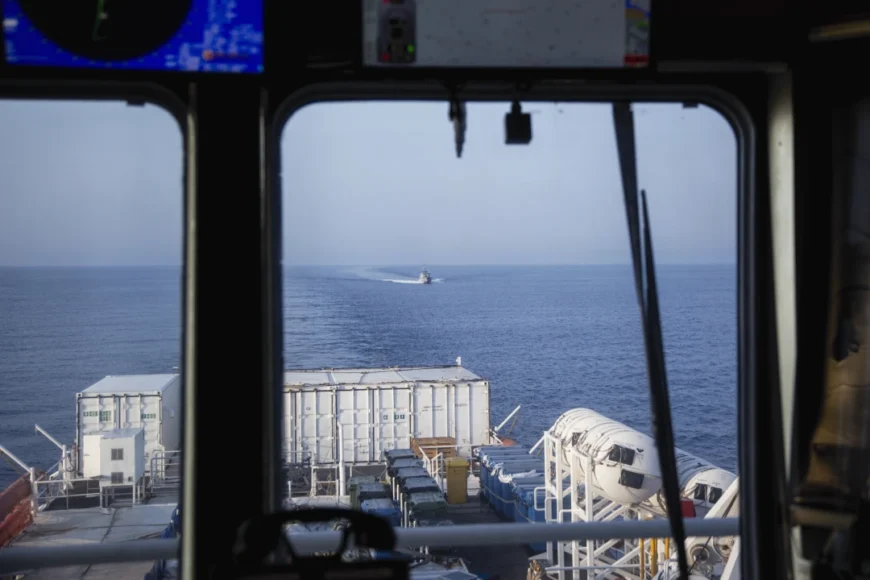
Rising Threats Confront Mediterranean Rescue Ships
SOS Méditerranée highlights increasing intimidation by vessels linked to Libya as UN data reveal a deadlier Central Mediterranean despite fewer crossings.
A humanitarian group warns of growing threats against migrants and rescue ships in the Central Mediterranean, including high-speed chases and violent interceptions by Libyan-linked vessels. SOS Méditerranée raises this concern as new Internati
Leave a Reply