



Here is a rewritten version of the article:
—
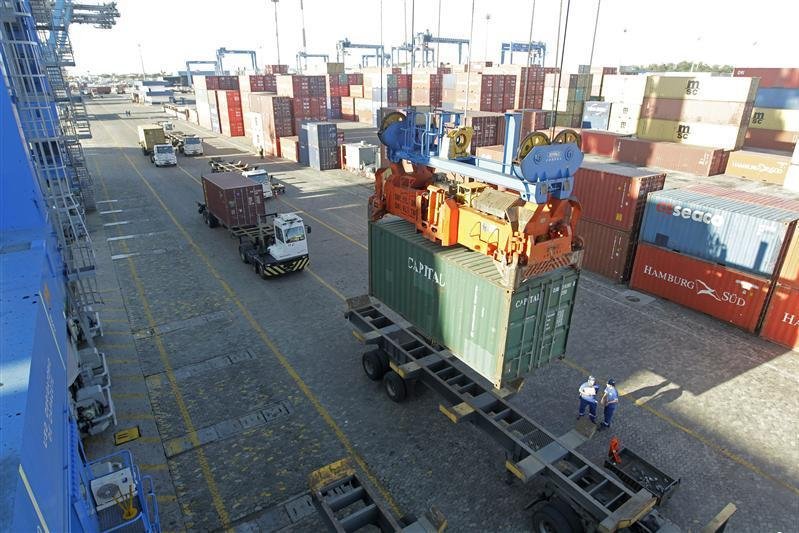
UN Secretary-General António Guterres has expressed strong concern over the recent move by U.S. President Donald Trump to implement a minimum 10 percent tariff on imports from nearly every nation. Speaking to reporters at UN Headquarters in New York, Guterres warned that such trade measures could have severe repercussions, especially for economically vulnerable developing countries.
“Trade wars are extremely negative,” Guterres emphasized. “I am particularly worried about the potential devastation they could bring to the world’s poorest nations.”
He added that the global economy is at a delicate point, and a recession would disproportionately harm the most disadvantaged communities. “We must do everything possible to avoid a global downturn,” he said.
WFP Alarmed by U.S. Aid Cuts
The World Food Programme (WFP) has issued a dire warning following the U.S. decision to cease emergency food assistance in 14 countries. According to the UN agency, this action could be catastrophic for communities already on the brink of starvation.
“If these cuts go through, it could mean a death sentence for millions facing acute hunger,” WFP posted on social media platform X.
WFP Executive Director Cindy McCain also sounded the alarm, stating that further reductions in aid will “deepen hunger, increase instability, and jeopardize global security.” She urged international leaders to consider the broader consequences, stressing that support is urgently needed as conflicts and food insecurity escalate worldwide.
The agency is currently in discussions with U.S. officials in an effort to reverse the funding cuts and maintain life-saving assistance.
Impact on Refugees in Uganda
Among the hardest hit will be the more than 1.8 million refugees living in Uganda. The UN Refugee Agency (UNHCR) reports that Uganda has been receiving an average of 10,000 to 12,000 new refugees monthly since 2022, placing immense pressure on already strained resources.
Matthew Crentsil, UNHCR’s representative in Uganda, noted that the agency is being forced to focus only on critical services such as healthcare and reception screening due to funding limitations.
“The budget allocated for the entire year is already being depleted due to the new arrivals,” Crentsil explained during a briefing in Geneva. “There are no guarantees that WFP will be able to provide food aid to refugees in Uganda beyond June.”
Call to End Modern Slavery and Human Trafficking
UN General Assembly President Philemon Yang has called for urgent international action to eliminate modern slavery and human trafficking, which currently affect an estimated 50 million people globally. Alarmingly, around one-third of trafficking victims are children.
Speaking on Tuesday, Yang urged UN Member States to reinforce efforts to combat these grave human rights violations, highlighting the importance of implementing the Universal Declaration of Human Rights, which explicitly prohibits slavery in all its forms.
He welcomed the release of the latest Global Commission on Modern Slavery and Human Trafficking report and urged governments to address the root causes that make individuals vulnerable to exploitation.
Yang pointed to the Global Plan of Action adopted in 2010 as a vital tool and announced that Member States would review and update the plan later this year to set new targets. He also stressed the importance of survivor-centered and inclusive policies that provide equal access to healthcare, education, job training, and employment opportunities.
“There is a moral imperative to eradicate these injustices,” Yang concluded. “The time to act is now.”









Leave a Reply