


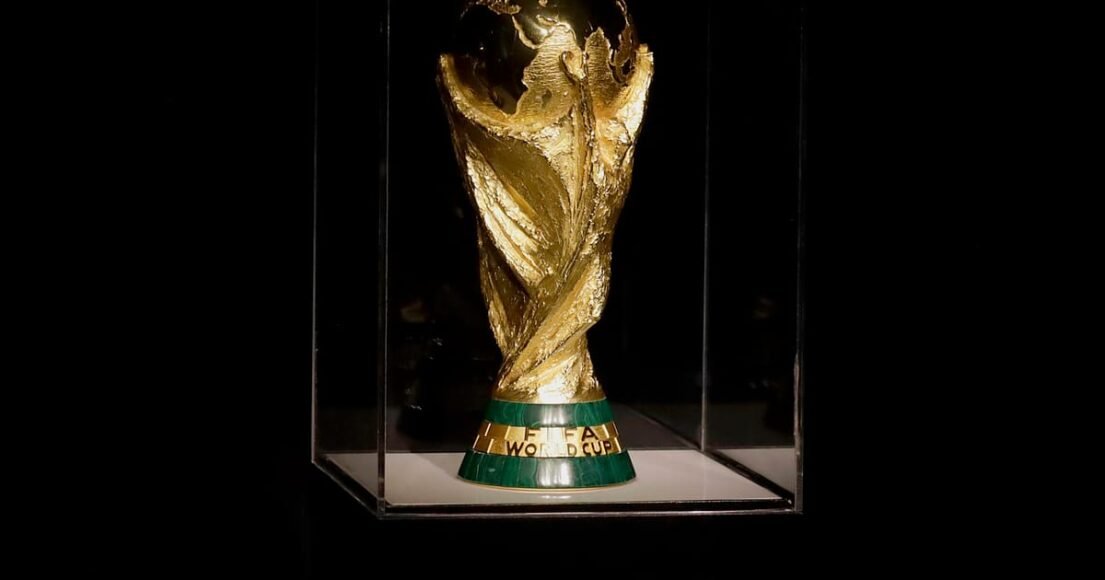
“We believe in the unifying power of sport and the global influence a football World Cup can exert. Our objective is to bolster this positive force, not hinder it,” the statement read.
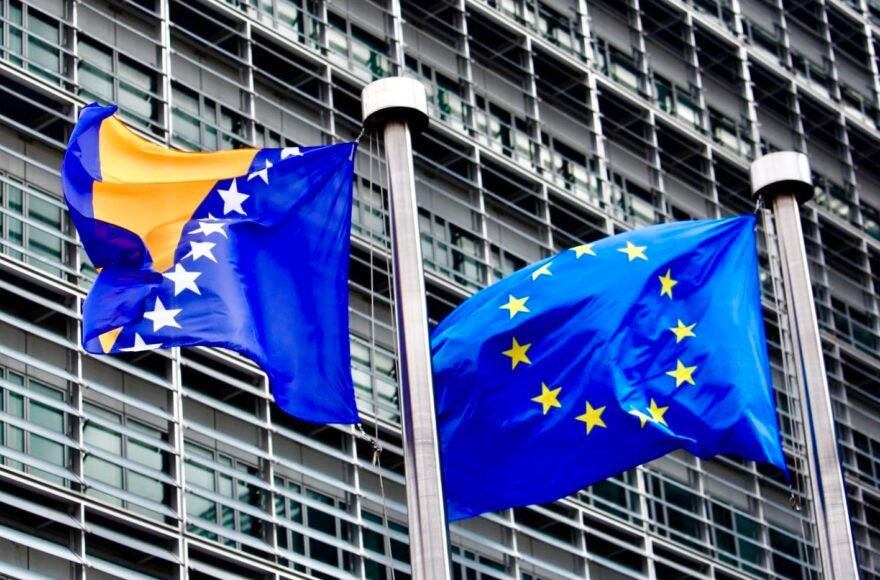
In the past fortnight, German media and politicians have discussed a potential boycott of the event following Trump’s now-retracted threats to impose tariffs on EU nations against his Greenland annexation plans.
The World Cup is a significant project for Trump, who maintains close connections with Gianni Infantino, president of FIFA. A boycott by major European nations could severely impact the tournament.
Speaking at the World Economic Forum in Davos, amidst the Greenland tensions, Infantino downplayed political rifts, stating, “The world pauses because the World Cup and football profoundly impact lives and moods like nothing else. Football alters not just individual sentiments but also national atmospheres.”
Historically, calls for politically driven boycotts of major sports events are not uncommon. Before the 2022 World Cup in Qatar, media and politicians in several EU countries considered boycotting due to the host nation’s treatment of migrant workers.
Germany has claimed the World Cup title four times.


Leave a Reply