


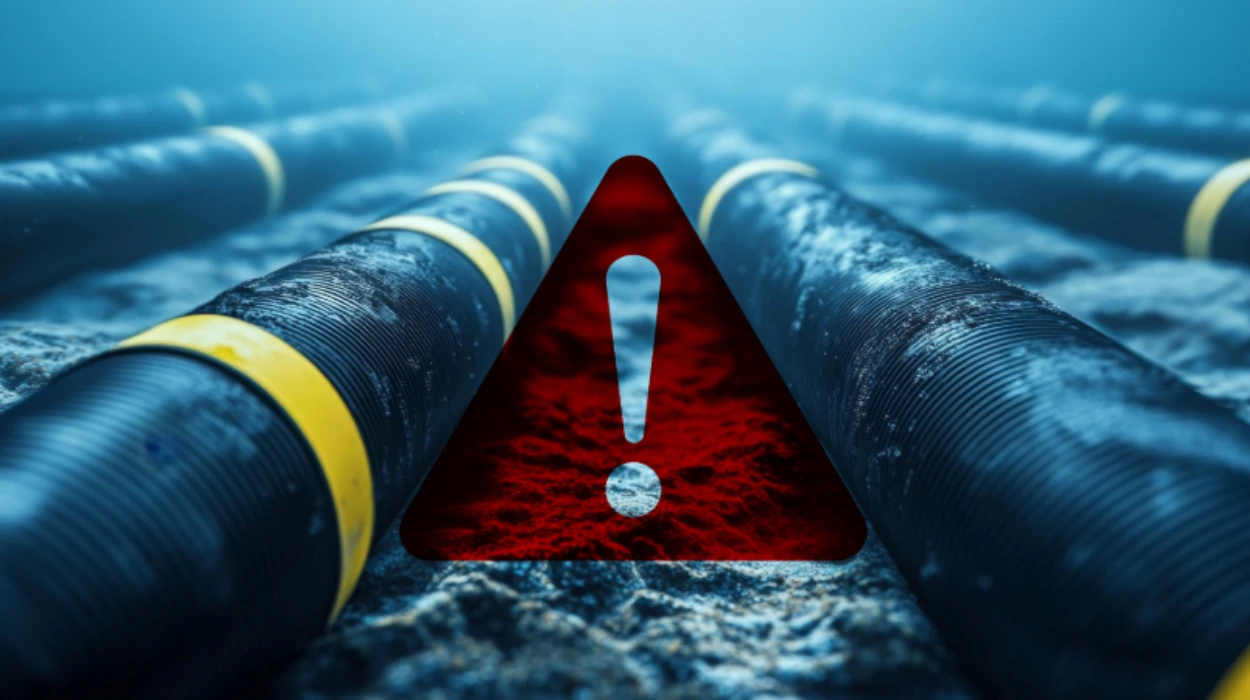
Submarine cables, which carry over 95% of international data, are facing heightened threats from accidental damage and deliberate sabotage amid rising geopolitical tensions. Governments and industry experts call for stronger collaboration, enhanced legal frameworks, and technological innovation to safeguard this critical infrastructure.
Submarine fiber-optic cables underpin nearly all international internet traffic, supporting everything from everyday communications to vital financial and governmental operations. Spanning about 1.5 million kilometres under the sea, these cables handle vast volumes of data with the latest capable of transmitting data at rates allowing the equivalent of the entire digitised Library of Congress to be transferred multiple times every second.
Rising Incidents and Threat Landscape
According to Insikt Group’s recent assessment and data from SubTel Forum, reported submarine cable faults hit record highs in 2024 and 2025, with physical damage from fishing and anchoring remaining the predominant cause. Despite this, recent incidents in hotspots like the Baltic Sea and Taiwan Strait indicate an increased risk of low-level state-sponsored sabotage. Vessels linked to Russia and China have been associated with suspicious anchor dragging causing multiple cable faults, although definitive blame remains complex due to the covert nature of these acts.
Vulnerabilities at Cable Landing Stations
A major concern highlighted by cybersecurity firms and agencies is the clustering of multiple cables at single landing stations. This concentration increases the risk that sabotage or espionage at a single landing site could disrupt connectivity across multiple cables with far-reaching global impact. Such landing stations are critical hubs where undersea cables connect to terrestrial networks, making them attractive targets for power disruptions or cyberattacks.
Government Measures and Regulatory Responses
Governments worldwide are stepping up to protect submarine cables, recognising them as critical infrastructure. The US Federal Communications Commission (FCC) recently implemented rules barring foreign adversary-controlled entities, including Chinese and Russian firms, from owning or controlling subsea cable projects. These rules enforce cybersecurity and physical security standards aimed at shielding cables from hostile interference.
Necessity of Public-Private Collaboration
Industry actors heavily invest in resilience measures such as route diversification and rapid repair capabilities. However, the private sector faces significant challenges, including complex permitting processes, national security restrictions, and high costs, which hinder cable deployment and maintenance. The latest policy recommendations stress streamlined approval processes and enhanced coordination among government agencies and private cable owners to accelerate infrastructure expansion and safeguard existing networks.
Technological Advances for Cable Security
Emerging technologies like fiber sensing promise real-time detection of physical threats to cables, enabling faster incident response. Enhanced use of tracking systems such as Automatic Identification System (AIS) and Vessel Monitoring Systems (VMS) are advocated to monitor maritime activity near cables and reduce accidental damage. In terms of data security, the shift toward quantum-resistant encryption algorithms is underway to prevent interception or tampering with the vast data flows.
Challenges of Supply Chain Security
The global supply chain for submarine cable technology is concentrated, raising concerns about reliance on certain vendors viewed as untrustworthy. Governments encourage diversification and risk assessment of suppliers to reduce vulnerabilities to espionage or sabotage hidden in equipment or software, particularly from high-risk authoritarian states.
An Escalating Theatre of Cyber-Physical Hybrid Threats
Experts warn that the distinction between physical sabotage and cyber warfare targeting undersea cables is blurring. State-sponsored cyberattacks involving malware insertion in cable landing stations or attacks against related energy grids reveal a new dimension of threats. Advanced persistent threat (APT) groups from Russia
Comments
10 responses to “Geopolitical and Physical Risks Threaten Global Submarine Cable Security”
-
Submarine cables, huh? Just what we needed, a game of underwater tug-of-war while we’re all on our laptops trying to pay for overpriced coffee. 😂 Let’s hope the next big storm isn’t a diplomatic one!
-
Sorting out submarine cable security is like trying to fix a leaky umbrella in a storm, innit? 🤦♂️ Meanwhile, I’ll just keep my Wi-Fi prayers handy while the bigwigs play chess with our data. 🧐💼
-
Submarine cables are like the delicate spaghetti of the internet—just a few rogue anchors and voilà, dinner’s ruined! 🍝 Who knew geopolitical tensions could come with a side of cable sabotage?
-
Submarine cables now have more drama than a soap opera – who knew data could face such geopolitical peril? 😏 Guess we’ll need a good old-fashioned cable-hunting expedition, because apparently fishing nets and state-sponsored mischief are the new norms! 🐟💥
-
Seems like our precious internet is now as safe as a sausage at a vegan festival. One can only hope the next big diplomatic spat doesn’t come with a side of cable-cutting sabotage! 😅
-
Submarine cables under siege, eh? It’s like watching a soap opera where the main characters are fish and geopolitical tensions – thrilling stuff, but I still can’t get my head around how we let ourselves depend on these underwater threads while dodging the occasional rogue anchor! 🐟💥
-
Who knew that protecting our precious internet highways was just as complicated as a British weather forecast? 😂 With all these geopolitical shenanigans, maybe we should start wrapping our cables in bubble wrap and calling it a day!
-
Submarine cables are the new “it” target in the geopolitical game—who knew our precious internet could one day be threatened by rogue fishermen and state-sponsored drama? 😂 It’s like a bad spy novel but with more saltwater!
-
Isn’t it charming how our precious internet, the very backbone of modern communication, now resembles a high-stakes game of “hot potato” with state-sponsored saboteurs playing in the background? 🤷♂️ Just what we needed, a bit of geopolitical drama to spice up our cable connections!
-
Seems like our precious internet highways are as safe as a Tupperware party in a hurricane. Who knew fishing boats and geopolitical chess would become the new cable-guarding experts? 🎣🌍

Last News
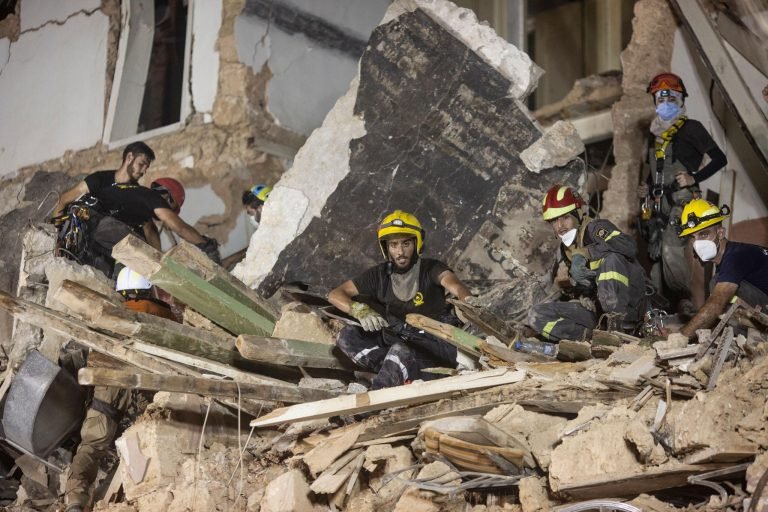
Lebanon First Responders Salvage Priceless Memories from Devastated Headquarters
Beirut, Lebanon, June 18 – Eurotoday Newspaper — Lebanon first responders are working through the remains of a destroyed headquarters, recovering personal belongings, historic records, photographs, and other treasured items buried beneath the rubble. While emergency teams continue assessing structural damage, many responders say preserving memories has become just as important as clearing debris
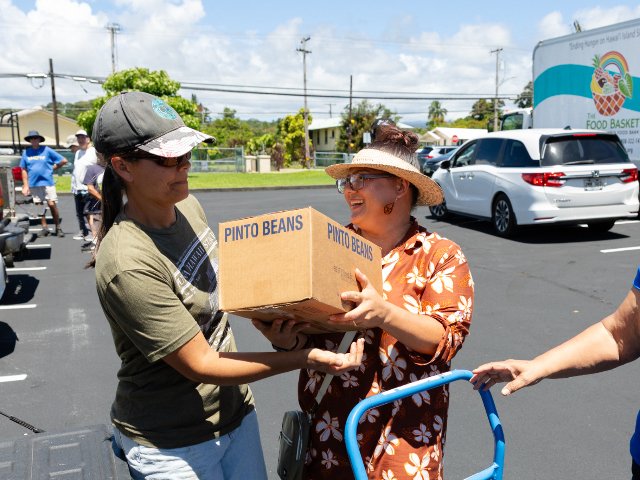
The Church of Jesus Christ Provides Meals to Families Across All 50 States for America250
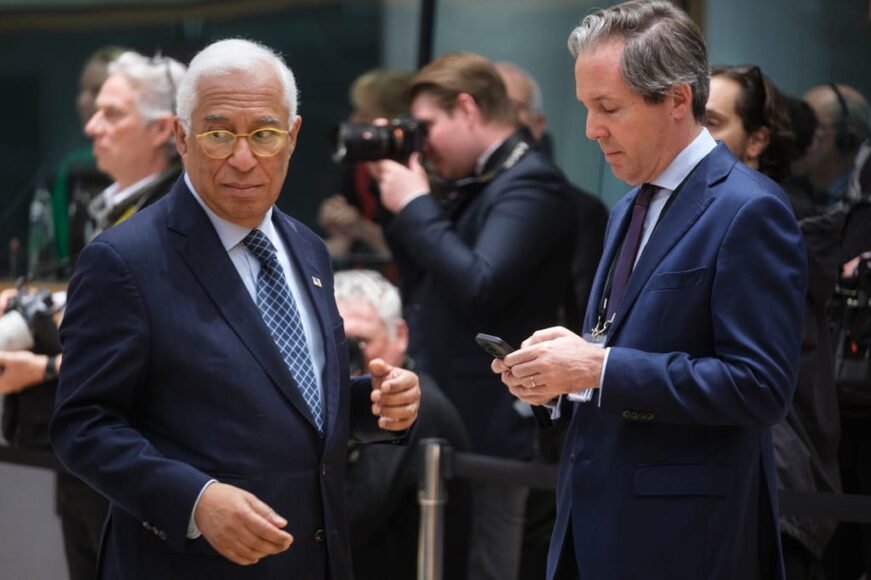
EU Leaders Outraged by Costa Official’s Talks with Kremlin
Th
UK Announces $996 Million Ukraine Aid Package Including 150,000 Military Drones
London, United Kingdom, June 18 – Eurotoday Newspaper — UK drones to Ukraine are set to become a major part of Britain’s latest military assistance after the UK government announced a package valued at approximately $996 million, including the delivery of 150,000 drones to support Ukraine’s defense capabilities. The announcement represents one of the largest drone commitments made by the United
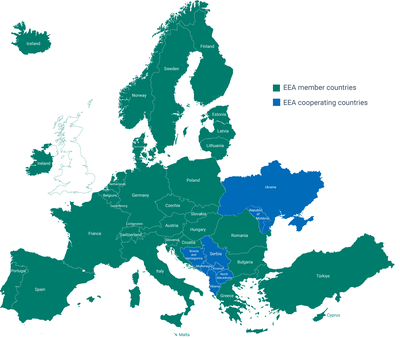
Ukraine Joins EEA and Eionet as a Cooperating Country | Press Releases

Les candidats courtisent le secteur de la Tech
Ensuring Public Data Accessibility: The EU’s Challenge in the Digital and Green Transition
One of the central issues in the digital and environmental transition concerns the need to ensure that public data are genuinely usable, and not merely available online in a formal sense.
It still happens today that citizens who need to consult an urban development plan, verify an environmental restriction, or submit public comments find themselves faced with documents that are difficult to open

Europe’s Women Must Navigate Play-Off Path to Brazil
Europe’s journey to the 2027 FIFA Women’s World Cup advanced on Thursday as UEFA’s play-off draw in Nyon mapped out a path for 32 national teams, where reputation, depth, and resilience will be as crucial as recent performance.
The Women’s European Qualifiers play-off draw will
Magyar and Metsola Discuss EU Halting Rule of Law Procedure Against Hungary
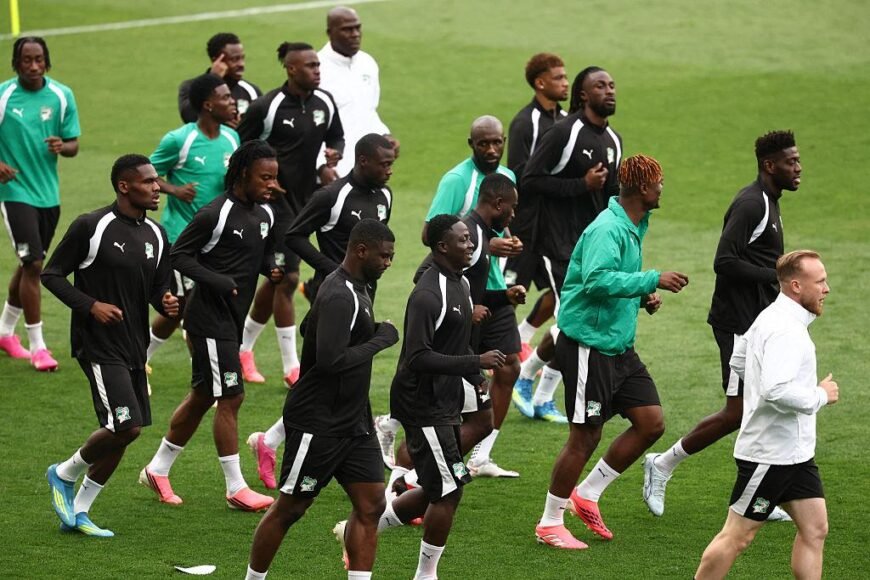
Ivory Coast Omits Elye Wahi from Germany Friendly Squad
Abidjan, Ivory Coast, June 18 – Eurotoday Newspaper — Football squad selection became the center of attention after Ivory Coast announced its roster for the upcoming international trip to Canada, confirming that forward Elye Wahi will not travel with the team ahead of the highly anticipated friendly against Germany. The decision has sparked debate among supporters, with many questioning the abse
Leave a Reply