


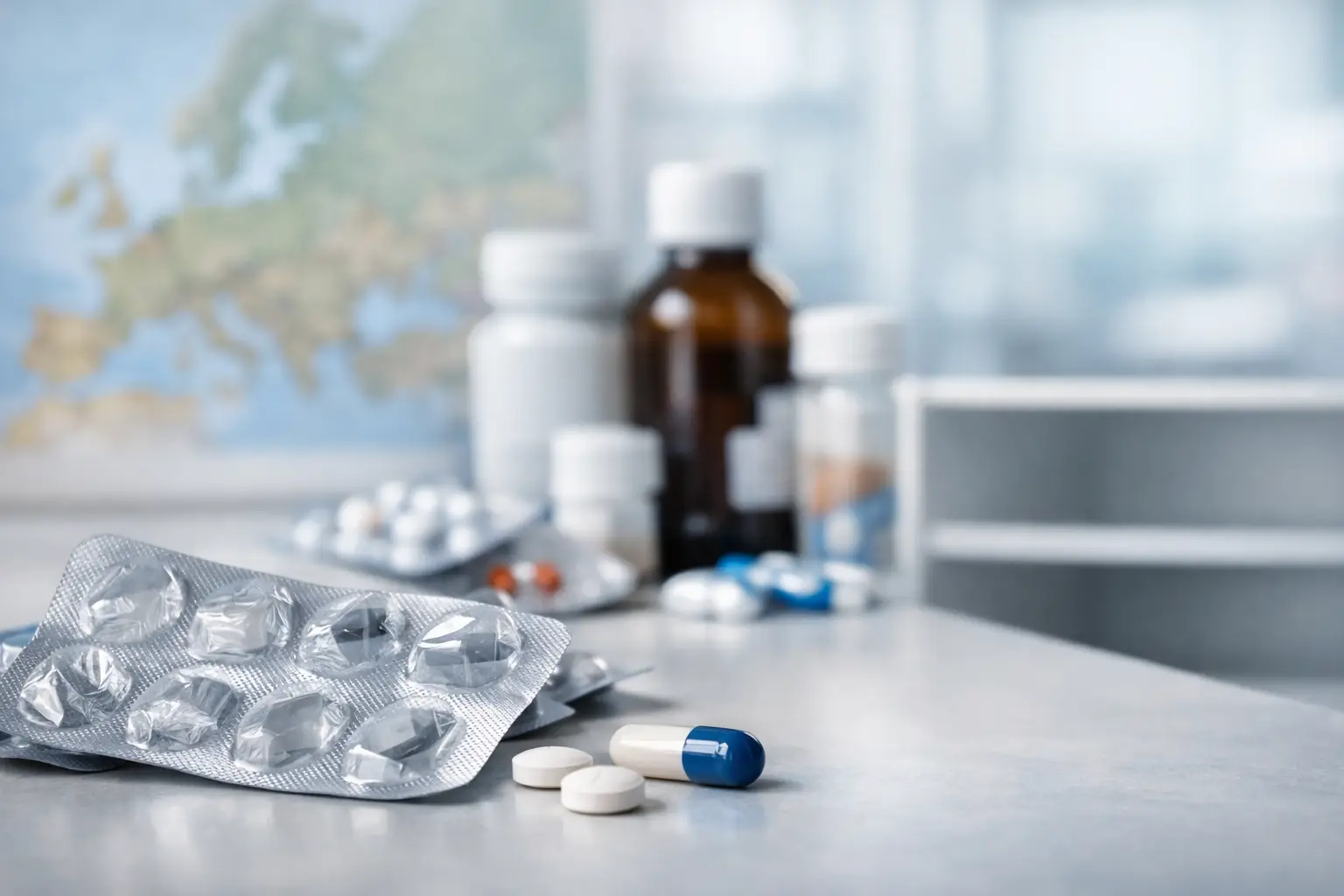
A child with an infection is sent from one pharmacy to another due to the unavailability of a basic antibiotic. A cancer patient is informed that the hospital is managing stock on a week-by-week basis. A parent halves tablets to extend a prescription until Monday. In Europe, medicine shortages are no longer a mere technical issue hidden in regulatory paperwork; they are a public-interest failure affecting patients, pharmacists, doctors, and already overwhelmed health systems.
This situation is not a single crisis with a single cause, but a chain of vulnerabilities—globalized manufacturing, thin inventories, pricing pressure, fragmented procurement, rising demand, and inadequate cross-border coordination—all colliding simultaneously. The result is a market that seems efficient on paper but becomes fragile under stress.
For years, European health systems have been dependent on a pharmaceutical supply model focused on cost control. This has provided cheaper generics in many areas, benefiting public budgets, but it has also led to a race to the bottom in certain parts of the market, particularly for older, low-margin medicines like antibiotics, injectables, and common hospital drugs.
When prices are pushed too low, manufacturers either exit the market or cut production lines. This may not immediately cause alarm, as the remaining suppliers can often meet normal demand. The issue arises when a factory temporarily closes, a quality problem halts production, shipping delays occur, or winter illnesses increase. A shortage in one country then quickly spreads to several.
Much of Europe’s active pharmaceutical ingredient production is also concentrated outside the continent. This doesn’t inherently mean insecurity—global trade is standard in medicine supply—but high concentration poses risks. If too few plants produce a crucial ingredient, any disruption can quickly spread throughout the system.
There is also a structural governance issue. Health policy in Europe is partly national, partly European, and often politically fragmented. Member states maintain control over pricing and reimbursement, while the EU plays a growing but still limited role in coordination, monitoring, and crisis response. This leaves gaps. A medicine may be authorized centrally, manufactured globally, purchased nationally, and rationed locally. Accountability is then dispersed just when patients need clarity.
In public discourse, shortages are often seen as an inconvenience. In reality, they pose a patient-safety issue and, in some cases, a rights issue.
For those with chronic conditions, continuity is crucial. Alterations in formulation, dosage, or brand can lead to confusion, side effects, or reduced adherence. For hospital clinicians, a shortage necessitates rapidly changing protocols, seeking alternatives, recalculating doses, and accepting a higher margin of error. Pharmacists devote hours to sourcing stock, contacting prescribers, and explaining to worried patients why a medicine available last month has vanished this week.
The burden is not shared equally. Individuals in rural areas, poorer households, elderly patients, and those with language barriers are less able to contact multiple pharmacies, travel long distances, or challenge administrative obstacles. Shortages, therefore, exacerbate existing inequalities in access to care.
A democratic accountability issue also exists. Citizens often hear that shortages stem from vague “global pressures.” While sometimes true, political decisions shape resilience. Governments decide how aggressively to push prices, structure tenders, maintain strategic reserves, support domestic production capacity, and be transparent when supply fails. Persisting shortages should be viewed as policy outcomes, not natural disasters.
Medicines most at risk of shortage are typically not glamorous or new. They are the essential, everyday products crucial to public health.
Children’s antibiotics, fever medicines, insulin-related products, anesthetics, chemotherapy agents, and sterile injectables have all been affected at different times and locations. Generic medicines are particularly vulnerable because margins are so low that few manufacturers remain. If one exits, competition decreases, but so does resilience.
Hospital medicines pose a unique challenge. They may require complex manufacturing, cold-chain handling, or specialized ingredients. If they become unavailable, substitution is more difficult. Community pharmacy shortages can sometimes be mitigated with a different brand or package size. In oncology, intensive care, or surgery, alternatives might be clinically inferior or simply unavailable.
In recent years, European institutions have shown increased urgency. There is more discussion about strategic autonomy in health, improved shortage monitoring, and stronger collaboration between regulators. The pandemic also changed the political climate, making it harder to assume supply chains would always self-correct.
Still, expectations should remain realistic. The European Commission and medicines agencies can enhance data-sharing, early warning systems, and joint action. They can support diversification and encourage stronger manufacturing capacity in Europe. They can also advocate for greater transparency regarding where ingredients and finished medicines are produced.
However, they cannot, by themselves, eliminate the fragmentation intrinsic to Europe’s health landscape. National governments still control many of the most important levers, especially pricing, procurement, and reimbursement. If capitals continue favoring the cheapest bids without considering resilience, shortages will likely persist.
A more serious approach would regard supply security as part of health security, necessitating acceptance of some trade-offs. A more







Leave a Reply