


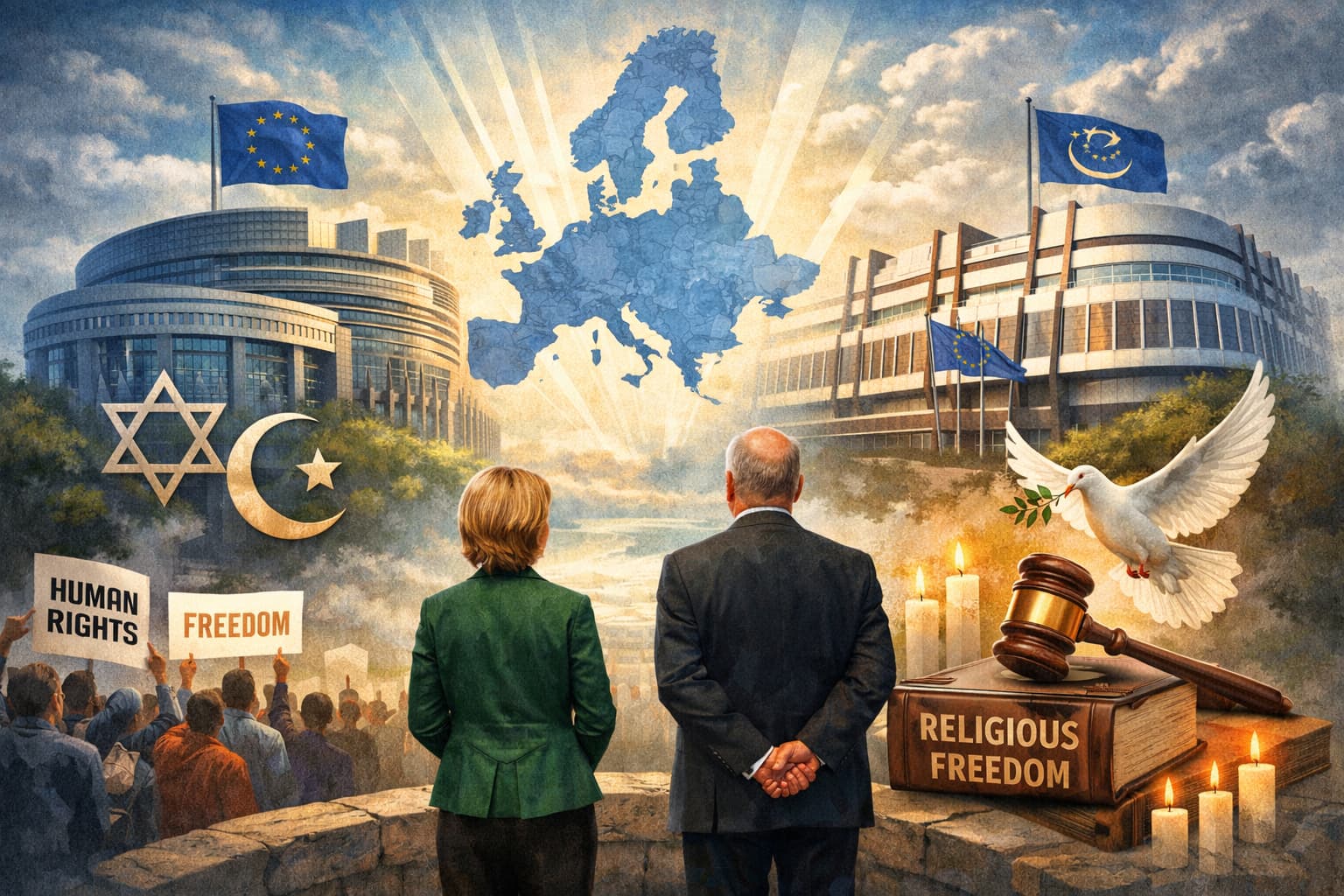
As of March 27, 2026, Europe has a limited number of specifically named envoys or commissioners for freedom of religion or belief. Across the EU, most governments manage relations with religious communities through ministries, commissions, and administrative offices rather than through high-profile FoRB mandates.
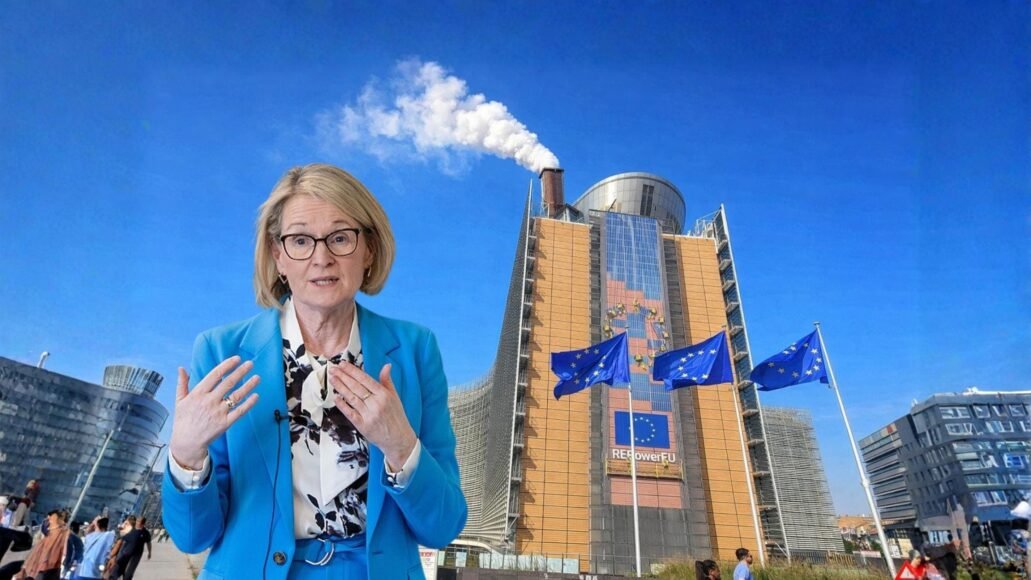
Europe’s institutional framework for freedom of religion or belief is more developed than it appears but is highly uneven. At the supranational level, the most visible EU role is the European Commission’s Special Envoy for freedom of religion or belief outside the EU, a position that the Commission announced on March 26, 2026, will now be held by Mairead McGuinness.
This appointment, also covered by The European Times, restored a position that had been vacant for 480 days, which had been a recurring concern for civil society groups, MEPs, and religious-freedom advocates.
However, Brussels is not the only area of focus. In Strasbourg, the Council of Europe had already taken steps months earlier to establish its own high-level post concerning religious intolerance. On December 5, 2025, the Council of Europe announced that Irene Kitsou-Milonas had begun her mandate as Secretary General Alain Berset’s Special Representative on antisemitism, anti-Muslim hatred, and all forms of religious intolerance, having started duties on December 1.
As The European Times reported in February, this decision provided the Council of Europe with a more visible institutional focal point for defending religious minorities at a time when the EU had not filled its 480-day FoRB envoy vacancy.
The distinction is crucial. The Council of Europe role is not a classic FoRB envoy in name. Its mandate is more broadly framed around antisemitism, anti-Muslim hatred, and all forms of religious intolerance. Yet, in practical terms, it is one of the most relevant Europe-level posts for the defense of religious minorities, interreligious dialogue, and the broader protection of belief-related rights across the continent.
At the national level, clearly named envoy-style posts remain rare. Germany serves as a prominent example, with Thomas Rachel as the Federal Government Commissioner for Freedom of Religion or Belief. The Netherlands also stands out, with official government material identifying Paul Bekkers as Special Envoy for Religion and Belief. The Czech Republic should now be counted in this small group: the Czech Foreign Ministry lists Robert Řehák as Special Envoy for Holocaust Issues, Combating Antisemitism, and Freedom of Religion or Belief, with duties commencing on January 20, 2026.
Outside the EU, the UK also maintains a named role, with David Smith listed as the UK Special Envoy for Freedom of Religion or Belief.
Across most of the EU, however, governments have opted for a different model. Instead of appointing envoys, they rely on domestic structures: directorates for religious freedom, offices for religious affairs, church-state liaison bodies, ministries of ecclesiastical affairs, or commissions dealing with religious recognition and relations with faith communities. These institutions can be influential, but they differ from a public envoy with an explicitly rights-based mandate.
A Three-Level European Picture
Collectively, Europe’s religious-freedom architecture now functions on three levels.
Firstly, there is the EU level, where the Commission has reinstated its Special Envoy for freedom of religion or belief outside the EU.
Secondly, there is the Council of Europe level, with Alain Berset’s Special Representative providing a Strasbourg-based focal point for addressing antisemitism, anti-Muslim hatred, and broader religious intolerance across the organization’s member states.
Thirdly, there is the national level, where only a few EU countries maintain clear FoRB envoy-style posts, while most rely on ministries, commissions, or administrative departments to manage religion-state relations internally.
This three-level structure is important as it reveals that Europe possesses institutions dealing with religion and belief but lacks a broad, coherent network of named FoRB envoys. The continent’s approach remains divided between diplomacy, minority protection, and administrative management.
Country by Country in the European Union
Austria: No dedicated FoRB envoy, but has an Office of Religious Affairs in the Federal Chancellery.
Belgium: No dedicated FoRB envoy, religious matters handled through the federal justice administration’s service for recognized religions and non-confessional philosophical organizations.
Bulgaria: No dedicated FoRB envoy, functions through a Religious Denominations Directorate.
Croatia: No FoRB envoy, maintains an Office of the Committee for Relations with Religious Communities.
Cyprus: No clearly named FoRB envoy, liaison remains embedded in broader governmental and presidential channels.
Czech Republic: Yes, Robert Řehák serves as Special Envoy for Holocaust Issues, Combating Antisemitism, and Freedom of Religion or Belief.
Denmark: No FoRB envoy, retains Ministry for Ecclesiastical Affairs.
Estonia: No dedicated FoRB envoy, matters remain within the






Leave a Reply