


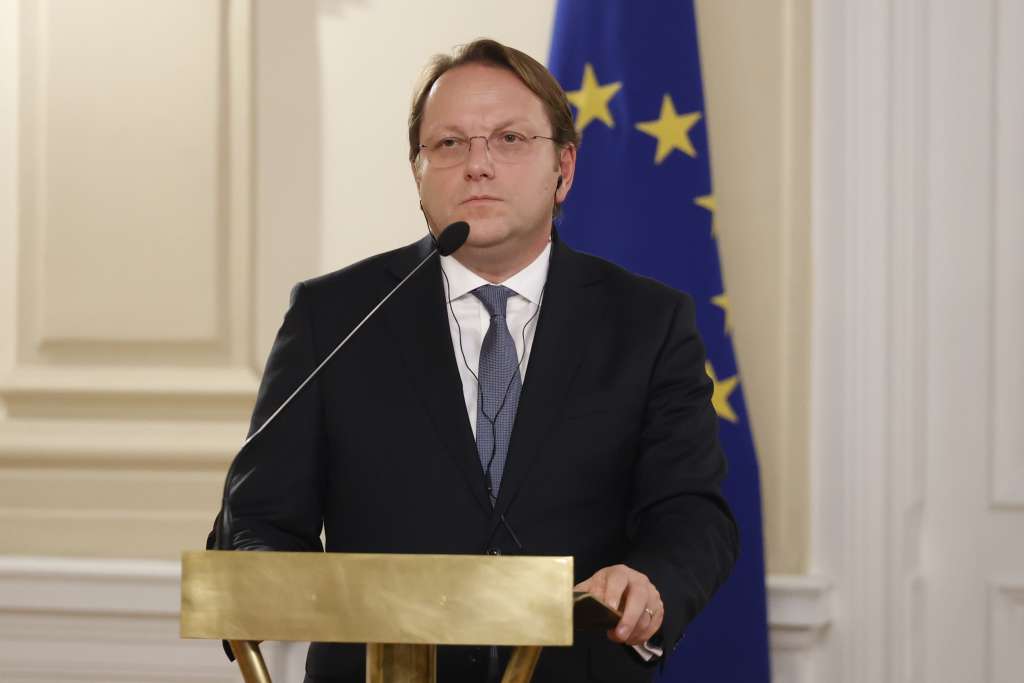
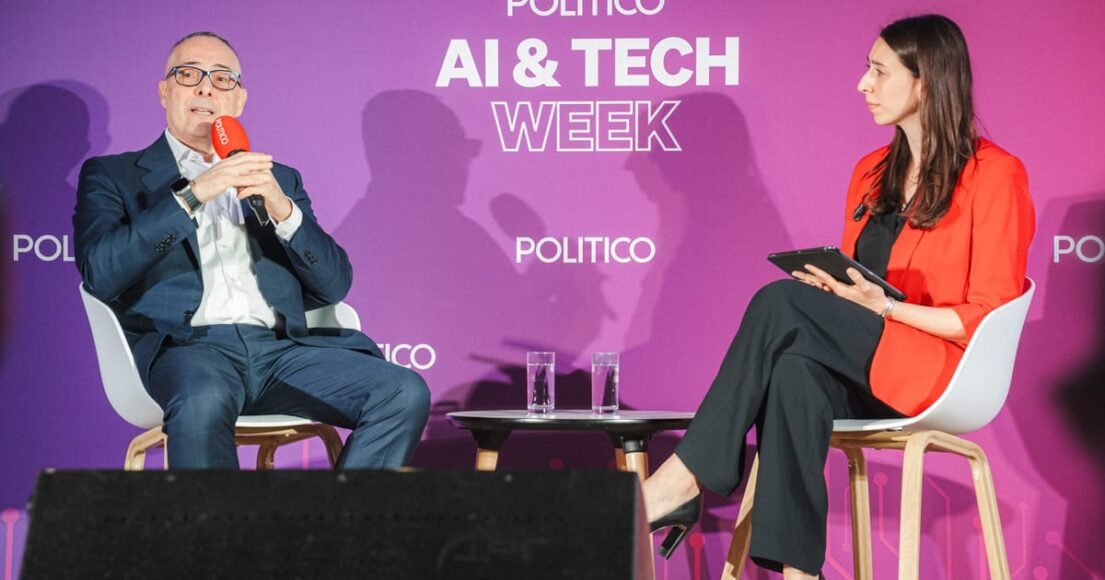
Health Commissioner Oliver Varhelyi raised alarms about the risks posed to European health due to a shortage of medicines and structural vulnerabilities in the pharmaceutical supply chain during his presentation in Strasbourg.
Varhelyi highlighted a troubling trend, noting that reports of medicine shortages have consistently increased since 2013, with a significant spike in 2019 when over 14,000 reports were logged in a single year. Factors such as the COVID-19 pandemic, geopolitical conflicts, and a heavy reliance on a few Asian countries for raw materials have exacerbated these shortages.
To address these challenges, the proposed regulation aims to facilitate easier access to financing for companies that invest in production capabilities within the EU. Additionally, businesses will receive expedited administrative, regulatory, and scientific support. The European Commission has also prepared guidelines on state aid to assist member states in backing strategic medicine production projects within the EU. Furthermore, it urges member states to employ government procurement strategies to diversify their supply chains and supports collaborative purchasing efforts.
Belgian Health Minister Frank Vandenbroucke, a longstanding advocate for this issue on the European agenda, described the proposal as a positive step but criticized it for not adequately addressing the gravity of the situation. He emphasized the need for urgency to safeguard healthcare and public safety, arguing that the plan lacks sufficient funding and a cohesive strategy for building reserve stocks of essential medicines.
In collaboration with ten other European colleagues, Vandenbroucke sent a letter calling for the allocation of funds from the new defense plan to ensure continued access to medicines. “Europe can no longer afford to rely exclusively on China for medicine production. The safety and health of all our citizens depend on diversifying our sources,” he stated.





Leave a Reply