


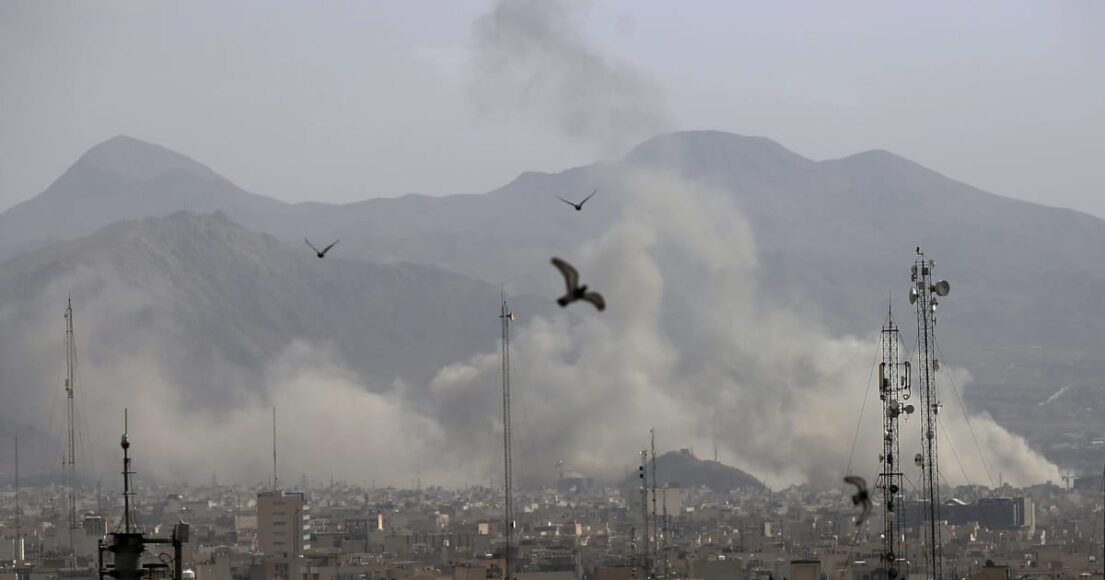
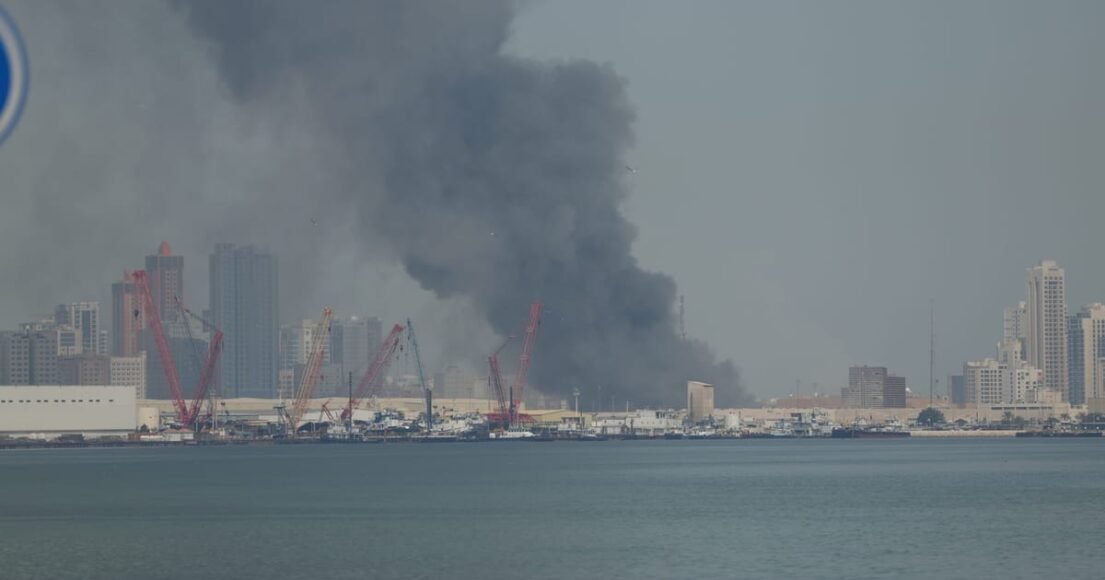
At the national level, Europe’s response lacked unity. In a joint statement, France, Germany, and the United Kingdom emphasized that they “did not participate in these strikes” by the U.S. and Israel, condemning Iranian counterattacks and urging Tehran towards a “negotiated solution.”
British Prime Minister Keir Starmer echoed this stance, stating that the U.K. had “played no role” in the strikes, while condemning Iran’s “abhorrent” regime and highlighting Washington’s aim to prevent Tehran from acquiring nuclear weapons. Starmer noted that British planes were part of coordinated regional defense operations.
In other parts of Europe, Spain’s Prime Minister Pedro Sánchez criticized the U.S.-Israeli operation as a “unilateral military action” that could foster a hostile global environment. Conversely, Czech Prime Minister Andrej Babiš expressed support for allies and warned about Iran’s nuclear ambitions and its “support for terrorism” as threats to Europe.
Nordic and Eastern European leaders focused on security concerns. Sweden’s Prime Minister cautioned against a “serious escalation” and emphasized Europe’s interest in ensuring Tehran “is never able to develop nuclear weapons,” while also advocating restraint and adherence to international law. Poland’s Prime Minister Donald Tusk stated that Poland was closely monitoring the situation and preparing for “various scenarios,” ensuring the safety of Polish citizens, including embassy staff in Tehran.
Ukrainian President Volodymyr Zelenskyy aligned more closely with the U.S., commending American decisiveness and suggesting that “whenever there is American resolve, global criminals weaken,” a message aimed at Moscow.
Criticism from Washington
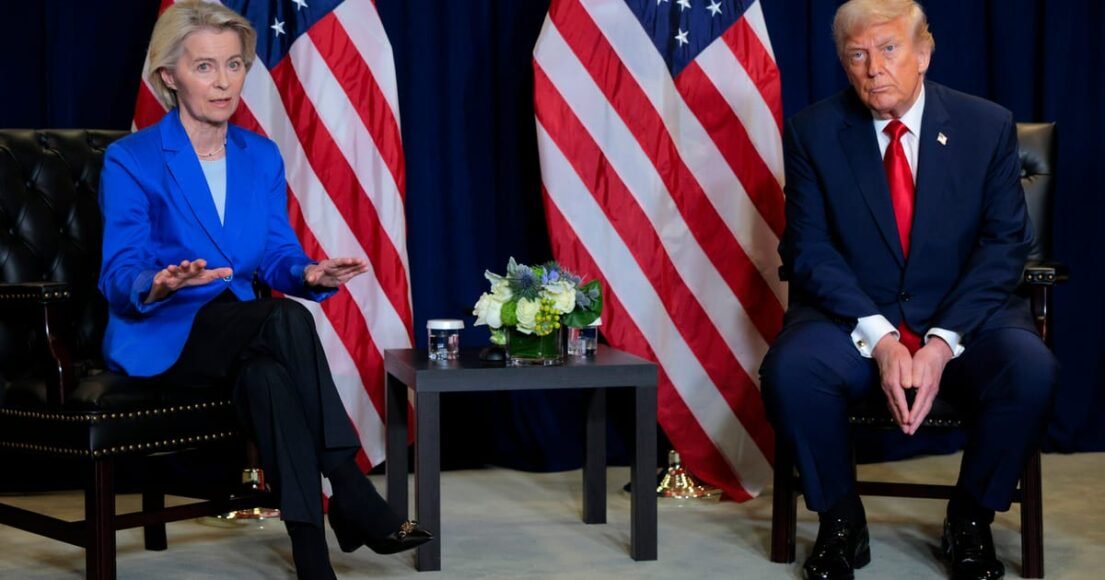
The European position, especially from France, Germany, and Britain, prompted a strong reaction from U.S. Senator Lindsey Graham, a close ally of U.S. President Donald Trump, highlighting the geopolitical tensions spreading across the Atlantic.





Leave a Reply