


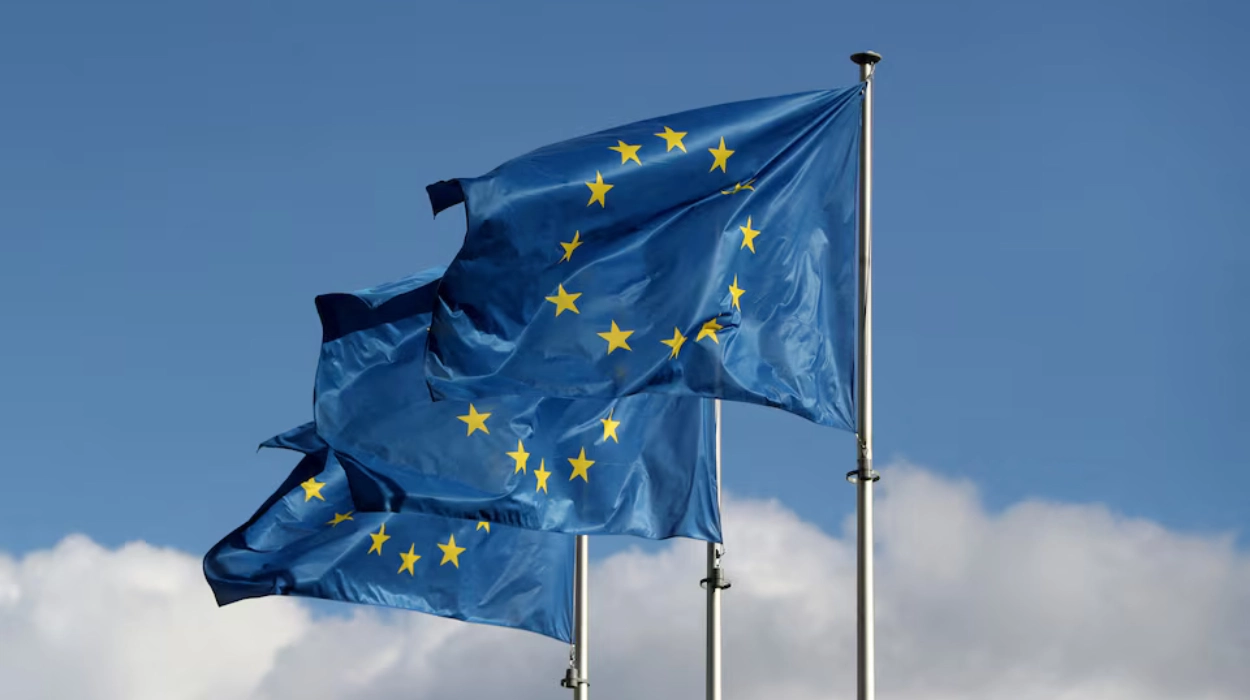
Brussels – The European Union is set to impose stricter regulations on imported crops treated with pesticides that are banned in Europe, according to a draft European Commission document obtained by Reuters.
The draft of the EU’s “Vision for Agriculture and Food” policy document, scheduled for release on Wednesday and reviewed by Reuters, confirms that the European Commission plans to take a tougher stance on imports to establish a level playing field for European farmers.
The Commission will pursue, in line with international rules, a stronger alignment of production standards applied to imported products, notably on pesticides and animal welfare,
the draft states.
The Commission will ensure that the most hazardous pesticides banned in the EU for health and environmental reasons are not allowed back into the EU through imported products.
How does Trump plan to retaliate against Europe’s food import restrictions?
U.S. President Donald Trump dismissed an earlier Financial Times report that cited unnamed EU officials indicating they were considering the policy this week.
Trump argued that the EU’s planned restrictions would harm Europe, and a White House official stated that the president is committed to defending American farmers. Trump reaffirmed the U.S. position to maintain reciprocal tariffs.
How will Europe’s stricter pesticide rules impact American farmers?
Experts warn that the EU’s stricter policy could block imports of U.S. soybeans and other agricultural products treated with pesticides that are not approved for use by European farmers. Tensions between the U.S. and the EU have escalated, particularly after Trump imposed 25% tariffs on steel and aluminum imports starting March 12, followed by additional reciprocal tariffs on pharmaceuticals, automobiles, and semiconductor chips.
The EU enforces strict residue limits on certain pesticides banned within its borders. Last year, the European Commission proposed maintaining permissible residue levels for the fungicide cyproconazole and the insecticide spirodiclofen in imported goods, despite European Parliament members advocating for lowering thresholds to the minimum possible limit.
Comments
Last News
EU Clears Hungary’s €10bn Recovery Plan

Why UK Entrepreneurs Are Opting for Limited Companies Instead of Sole Traders
London, July 10, Eurotoday Newspaper – Start a limited company UK has become an increasingly popular choice as more entrepreneurs opt for incorporation instead of registering as sole traders. Business advisers say founders are seeking stronger legal protection, improved credibility, and better opportunities for long-term growth as new businesses launch across the country.
Business Formation Tren
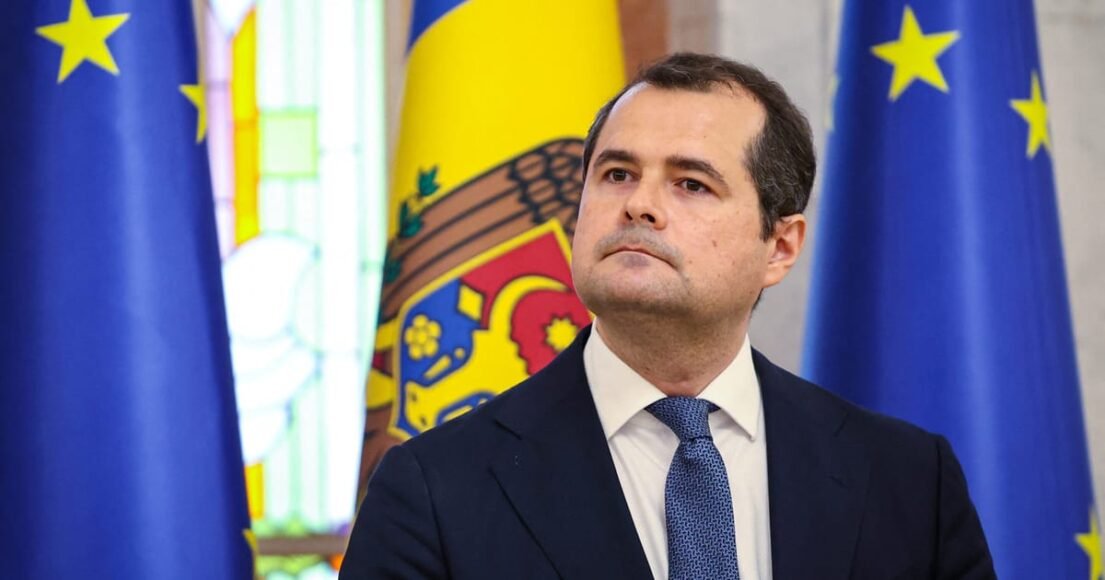
Moldova Appoints Businessman as New PM Nominee

Spain Keeps Their Nerve as Belgium Exits
By Daniel Mercer, Sports Correspondent, The European Times
Spain secured their place in the FIFA World Cup semi-finals with a 2-1 win over Belgium in Los Angeles, characterized more by composure during critical moments than sheer dominance. Goals from Fabia
New Compliance Requirements from Companies House Every Business Owner Must Know
Sarhan Basem is Eurotoday’s Senior Correspondent to the European Parliament. With a Bachelor’s degree in English Literature, Sarhan brings a unique blend of linguistic finesse and analytical prowess to his reporting. Specializing in foreign affairs, human rights, civil liberties, and security issues, he delves deep into the intricacies of global politics to provide insightful comment

A Walk with Patrick Schnieder

What is the purpose of jagged edges on coins?

How Long to Register a UK Company: Timeline, Costs, and Common Delays
London, July 10, Eurotoday Newspaper – UK company registration timeline is drawing increased attention as thousands of entrepreneurs continue launching new businesses across Britain. Companies House says most online applications are processed within one working day, but registration times can vary depending on filing accuracy, verification requirements, and the method used to submit incorporatio

Eurozone Budgets Warned of Energy Shock
Euro-area governments are being cautioned against broad spending in response to escalating energy costs, as finance ministers aim to support vulnerable households and businesses without undermining public finances. This warning follows the Eurogroup meeting and precedes EU finance ministers’ talks
Berlin Mayor Withdraws from Reelection Over Blackout Falsehood
Since then, the party’s support in Berlin has fallen to 17 percent, reflecting a broader national trend. The CDU has lost standing to the far-right Alternative for German
Leave a Reply