



Brussels (Eurotoday) – EU Parliament demands more targeted EU measures against Russia’s so-called ‘shadow fleet’, which acts as a financial lifeline for Moscow’s war in Ukraine.
In a resolution adopted on 14 Nov 2024, the European Parliament calls for more targeted actions against Russian vessels in the following EU sanctions packages, including all individual ships as well as their proprietors, operators, supervisors, accounts, banks and insurance firms.
How the Russia’s ‘shadow fleet’ network operate?
MEPs stated that Russia operates old tankers, usually uninsured and with opaque ownership, to export its crude oil and petroleum products abroad, despite EU, G7 and international sanctions. These actions have also extended fears over the risk of environmental catastrophes, including severe oil spills. They contend that as part of systematic steps to undermine EU restrictive actions, the ‘shadow fleet’ provides a critical financial lifeline for Russia in its criminal and inexcusable war of aggression against Ukraine.
What steps can be taken to enforce sanctions on Russian vessels?
The resolution urges the systematic sanctioning of vessels sailing via EU waters without understood insurance and recommends the EU improve its surveillance capabilities, especially drone and satellite monitoring, and operate targeted inspections at sea. MEPs want EU member states to establish ports capable of handling sanctioned ships carrying crude oil and Liquified Natural Gas (LNG) and to capture illegal cargo without compensation.
Moreover, the resolution further urges G7 countries to better implement the price cap set on Russian seaborne oil, to substantially reduce the oil price cap and to crack down on the loopholes utilised by Russia to repackage and market its oil and oil products at market prices.
Should the EU ban all imports of Russian fossil fuels?
Emphasizing that the impact of existing sanctions and the financial and military backing to Ukraine will continue to be sabotaged as long as the EU imports Russian fossil fuels, MEPs demand the EU and its member states prohibit all imports of Russian fossil fuels, including LNG.
Indicating the necessity for much more stringent enforcement of current EU sanctions, the text also notes that the EU should seriously reassess its bilateral partnership with third countries that are supporting Russia to circumvent EU restrictive measures in place if diplomatic measures are unsuccessful.
Comments
3 responses to “EU Parliament Urges Sanctions on Russia’s ‘Shadow Fleet’”
-
Ah, the EU Parliament is finally getting around to urging sanctions on Russia’s ‘Shadow Fleet’—because we all know a sternly worded letter is the best way to deter those cheeky maritime mischief-makers. One can only hope that these sanctions are as effective as trying to keep a British pub open during a World Cup match—good luck with that! But hey, at least they’re doing something, right?
-
Well, it seems the EU Parliament has finally discovered that Russia has a ‘shadow fleet’—who knew? Perhaps next they’ll unveil the shocking revelation that the sun rises in the east. As if slapping a few sanctions on the maritime equivalent of a game of hide-and-seek will somehow bring the Kremlin to its knees! Cheers to political theater; pass the popcorn!
-
Well, it seems the EU Parliament has finally decided to play a game of “Whack-a-Mole” with Russia’s shadow fleet, as if they expected a fleet of ghost ships to just pop back to port and say, “Sorry, mate!” Honestly, it’s like trying to catch a rogue pigeon in Trafalgar Square—good luck with that! Perhaps they should consider a catchy jingle while they’re at it; “Sanctions on the high seas, it’ll be a breeze!”

Last News

Expiration of EU Biometric Border Safeguard
AITETAI-generated illustrationTransparency information
AI-generated images: One or more images accompanying this report were generated or substantially modified using artificial intelligence. They are illustrative and should not be understood as documentary photographs unless explicitly stated otherwise.
Schengen authorities face pressure to enforce digital checks consistently without allowi

Nasdaq and S&P 500 Futures Climb Before Key US Jobs Report
New York, 4 September (Brussels Morning Newspaper) – US stock futures edged higher on Friday, led by technology shares, as investors awaited the August employment report for fresh evidence about the strength of the American labour market and the Federal Reserve’s next interest-rate decision.
Nasdaq 100 futures were up 0.42% at 4.24am ET, while S&P 500 futures gained 0.06%, according to Reut

Guerre au Soudan : al-Burhane, armes chimiques, islam politique et accusations contre les Émirats arabes unis
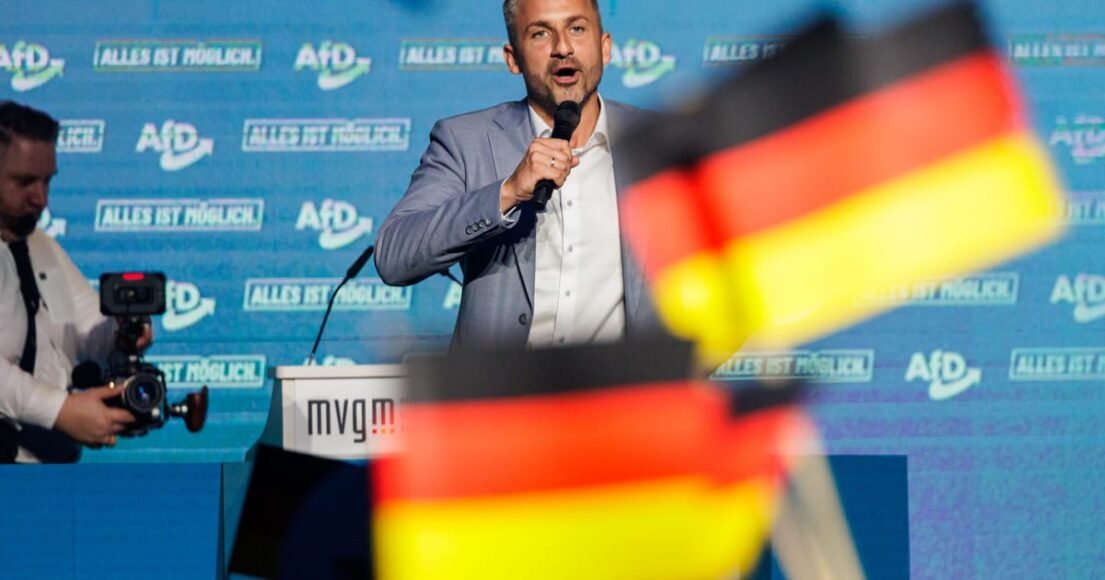
Germany’s Far-Right AfD Poised for Biggest Victory
The fact that 40% of voters backed the AfD, despite its regional branch being identified as a right-wing extremist group by the state intelligence agency and reports linking lead candidate Siegmund’s associates to an organization inspire
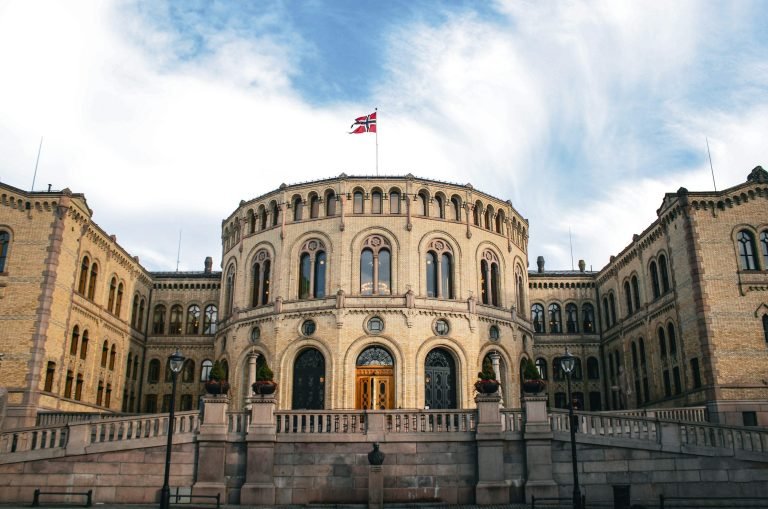
Norway Wealth Fund to Reduce US Treasury Holdings by $80bn, Oslo
Oslo, Norway, 4 September (Brussels Morning Newspaper) – Norway’s vast sovereign wealth fund has proposed sharply reducing its exposure to US government debt, a portfolio shift that could result in nearly $80 billion (£60 billion) being removed from US Treasury holdings. The Norway wealth fund, managed by Norges Bank Investment Management (NBIM), is seeking broader changes to its bond benchmark
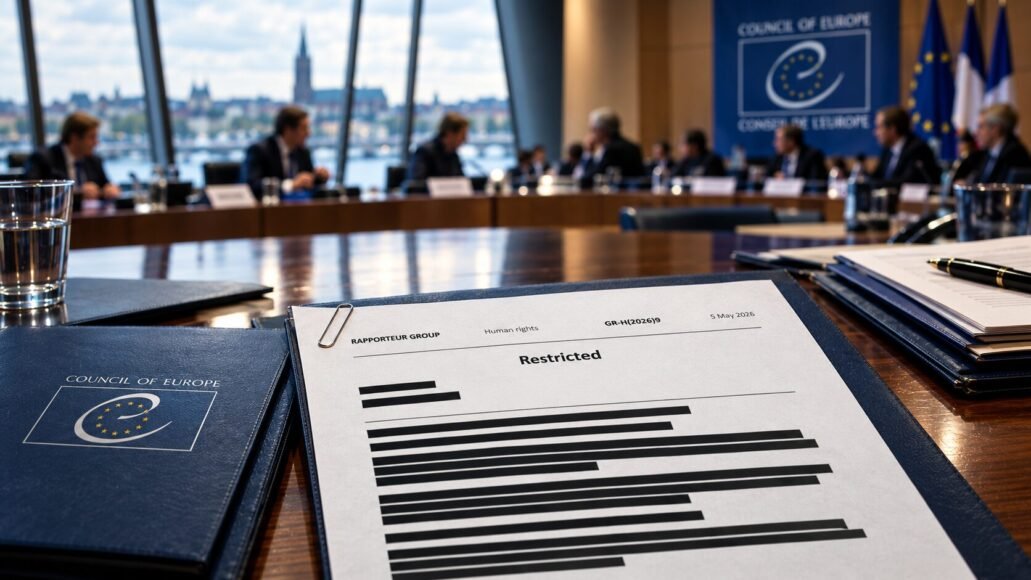
Confidential "study" used to dictate actions of the Council of Europe’s decision-making body
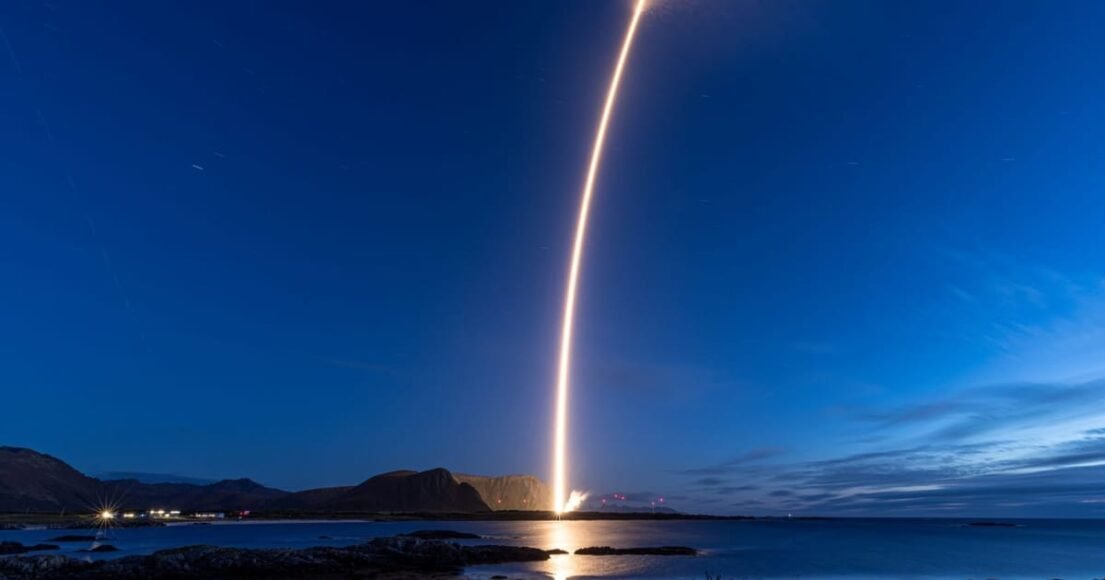
German Startup Achieves Milestone with First Successful Orbital Launch in Europe
We made history. On just our second flight, we became the first commercial space company from Europe to deliver satellites into orbit. Mission ‘Onward and Upward’ successfully lifted off and deployed payloads into orbit. A new chapter for European spaceflight. More:… pic.twitter.com/AWvqG2l8Mn
— Isar Aerospace (@isaraerospace) September 5, 2026
Germany’s Ministry for Research, Techno
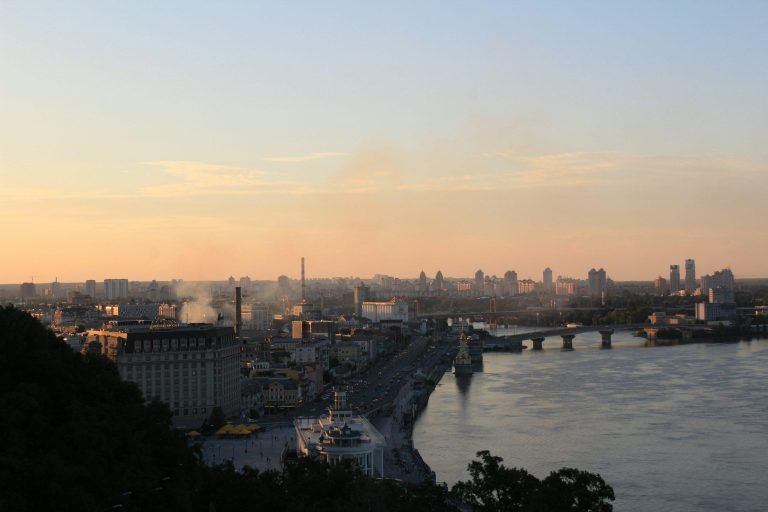
Russian Attack Damages WHO Medical Supplies Warehouse in Kyiv Region, Ukraine
Kyiv Region, Ukraine, 4 September (Brussels Morning Newspaper) – A WHO warehouse attack in the Kyiv region has damaged one of the World Health Organization’s main facilities storing humanitarian medical supplies in Ukraine, with officials assessing possible losses after an overnight Russian air attack. No WHO personnel were reported injured.
WHO warehouse attack damages humanitarian supplies fac
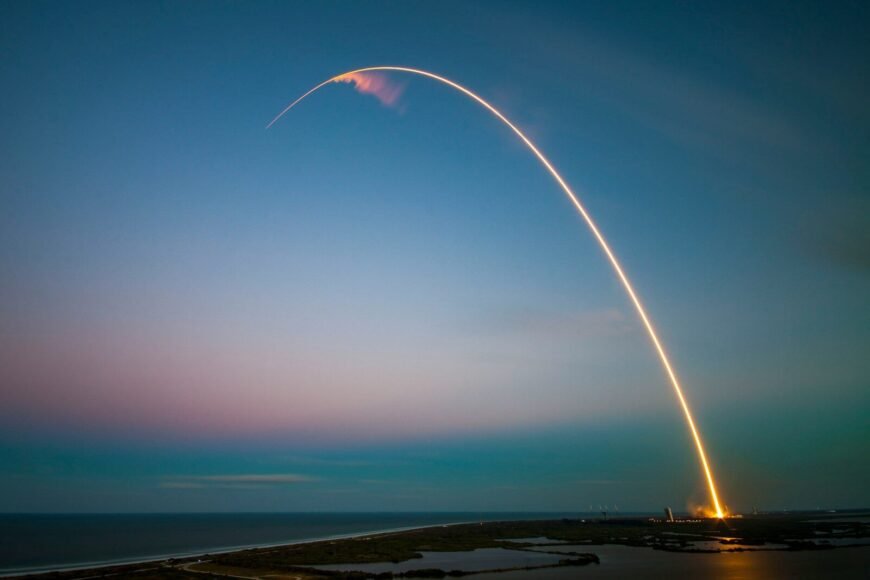
Spectrum Achieves Orbit
The Spectrum rocket launched from Isar Aerospace
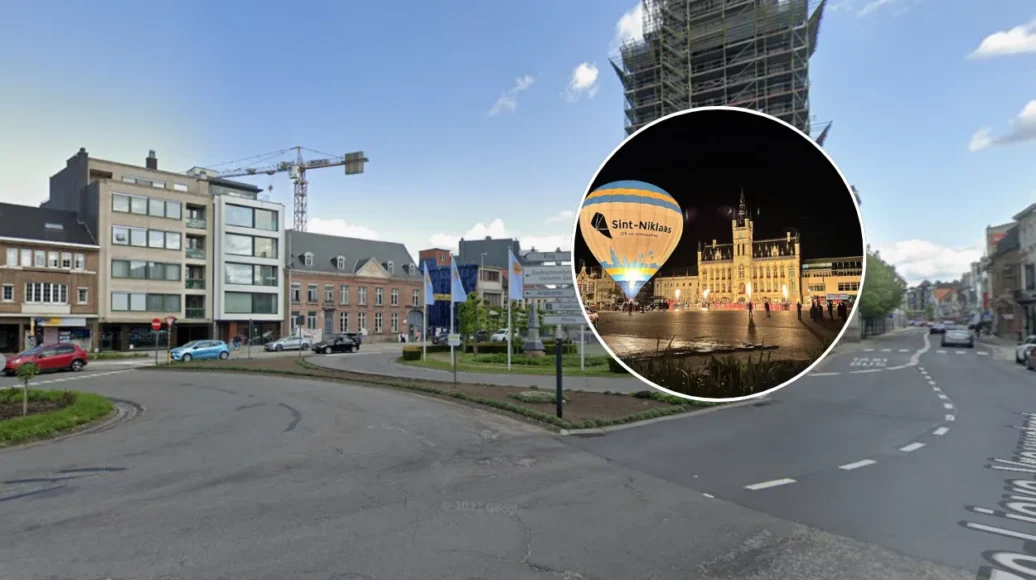
Strong Winds Halt Saturday Morning Balloons at Sint-Niklaas Peace Festival
Sint‑Niklaas (Eurotoday Newspaper) – No hot‑air balloons rose above the Grote Markt in Sint‑Niklaas on Saturday morning as excessive wind forced organisers to cancel the traditional launch window of the city’s Vredefeesten (Peace Festival), one of Europe’s oldest and largest balloon meetings. Although the morning period had been ruled out because of safety issues, festival organizers noted that
Leave a Reply