



Strasbourg (Eurotoday) – The EU Parliament urged swift international action against Russia, enhanced sanctions, and increased military support for Ukraine.
In a resolution approved on 28 Nov 2024, the EU Parliament denounced Russia’s use of North Korean troops against the Ukrainian army and its testing of new ballistic missiles in Ukraine. MEPs stated recent escalatory measures represent a new stage in the war and a new risk for Europe’s security as a whole, calling on the EU and Ukraine’s other allies to respond accordingly.
How did MEPs call for broader international support for Ukraine?
MEPs insisted that “no negotiations about Ukraine can take place without Ukraine.” They urged the EU to work towards reaching the broadest possible international support for Ukraine and determining a peaceful solution to the war. The EU Parliament also called for the arrangement of the EU and the member states to enforce Ukraine’s Peace Formula and specify the necessary conditions for holding a second Summit on Peace, including committing countries from the Global South.
What further sanctions are needed against countries aiding Russia?
Regarding military support to Russia MEPs denounced Iran, Belarus and North Korea and urged the EU member states to further boost the sanctions regime against these nations. They emphasised that both Russia’s war of aggression against Ukraine and North Korea’s participation in the war and its nuclear and missile programmes form grave threats to the rules-based international order.
The resolution also called on Beijing to cease all military or dual-use help it is giving to Russia, adding that a denial to change course risks seriously concerning bilateral EU-China relations. Instead, China could use its considerable influence over North Korea and Russia to help reduce tensions, MEPs expressed.
What military aid does Ukraine need from the EU and NATO?
Moreover, MEPs asked the EU and its member states to boost their military support for Ukraine, including through the provision of aircraft, long-range missiles, including Taurus missiles, modern air defence systems, including Patriots and SAMP/T and ammunition, as well as MANPADS (Man-Portable Air-Defence Systems), guns and training programmes for the Ukrainian army. The resolution stated that all EU member states and NATO allies should devote themselves to helping Ukraine militarily, both collectively and individually, with no less than 0.25% of their GDP annually.
Comments
3 responses to “EU lawmakers call for increased global backing for Ukraine”
-
Looks like the EU is doubling down on the old “let’s support Ukraine” routine—because clearly throwing more money at a war is the new European pastime. 🤑 Maybe next time they can throw in a side of diplomacy with that military aid? 🍷
-
Isn’t it charming how the EU thinks a stern letter will do the trick? I suppose they’ll follow it up with a nice pastry to sweeten the deal. 🍰
-
Oh, brilliant! Just what we needed—more meetings and resolutions! Seems like our MEPs are convinced that a bit of extra military hardware will turn the tide while they sit around sipping espresso. ☕💼

Last News
Wenn Ulrich Siegmund Ministerpräsident wird
Pauline von Pezold evaluates how realistic this
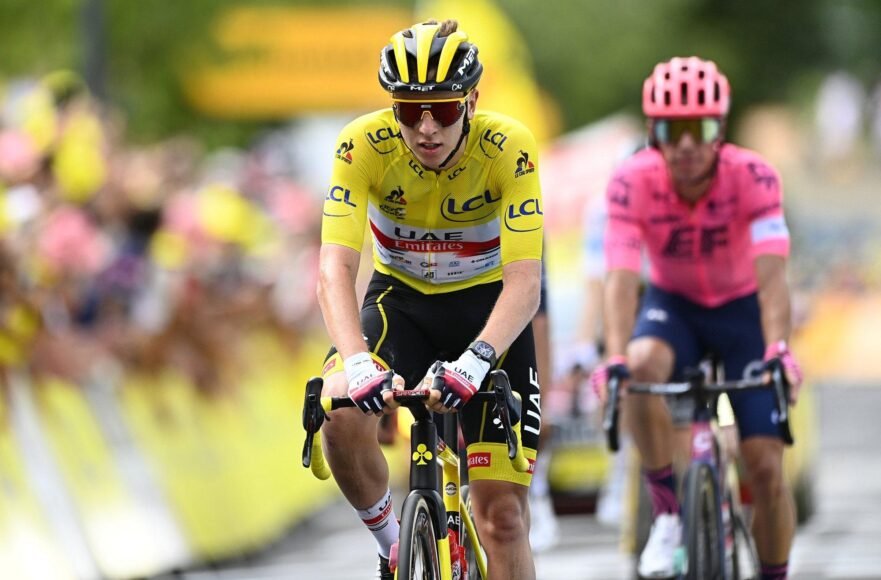
Tadej Pogacar Discharged from Hospital, Unlikely to Return for Worlds
Barcelona, Spain, 3 September (Eurotoday) – Tadej Pogacar has left hospital following surgery on his fractured left collarbone, but the latest Tadej Pogacar recovery outlook suggests his chances of defending his world road race title later this month are increasingly slim. The Slovenian was pictured with his left arm in a sling, facial bruising and bandages as he began the next stage of his reha

Scientology Volunteer Ministers Exhibition Held in Bologna
The initiative launched on Sunday, 30 August, attended by
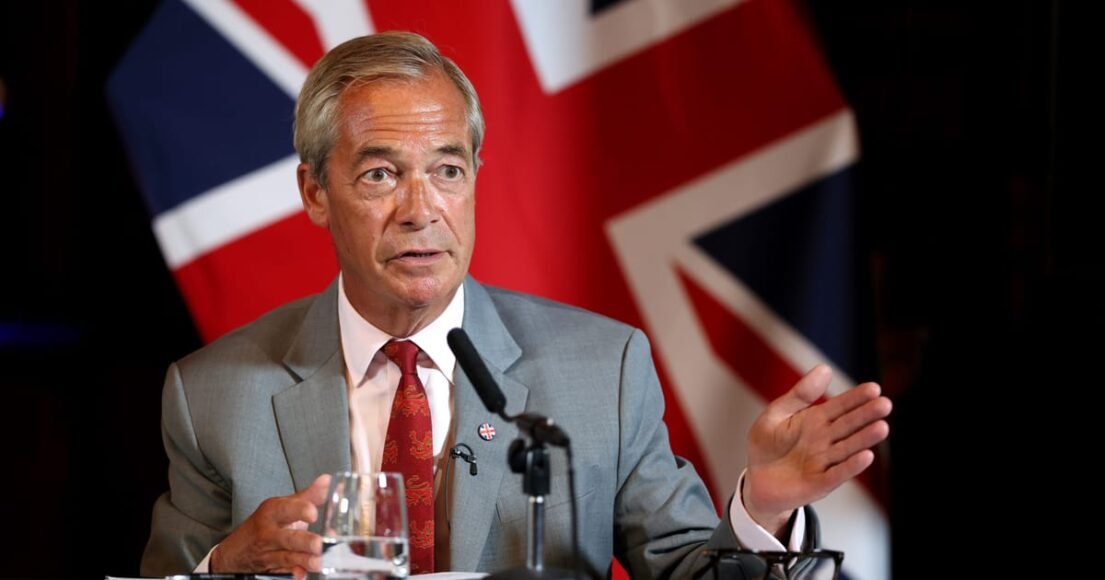
Farage Vows to Cut UK Energy Bills
Reform announced plans to eliminate charges on gas generators, including those from the U.K. Emissions Trading Scheme (ETS), which aims to reduce greenhouse gas e

Alexander Harris Discovered Deceased Following Mountain Trek in Pakistan
Mansehra, Pakistan, 3 September (Eurotoday Newspaper) – The body of Alexander Harris, a 30-year-old British-Irish trekker who disappeared while descending Musa Ka Musalla in northern Pakistan, has been found following a three-day search involving police, rescuers and local volunteers. Pakistani officials believe he may have slipped and fallen while descending in deteriorating weather.
Harris, or
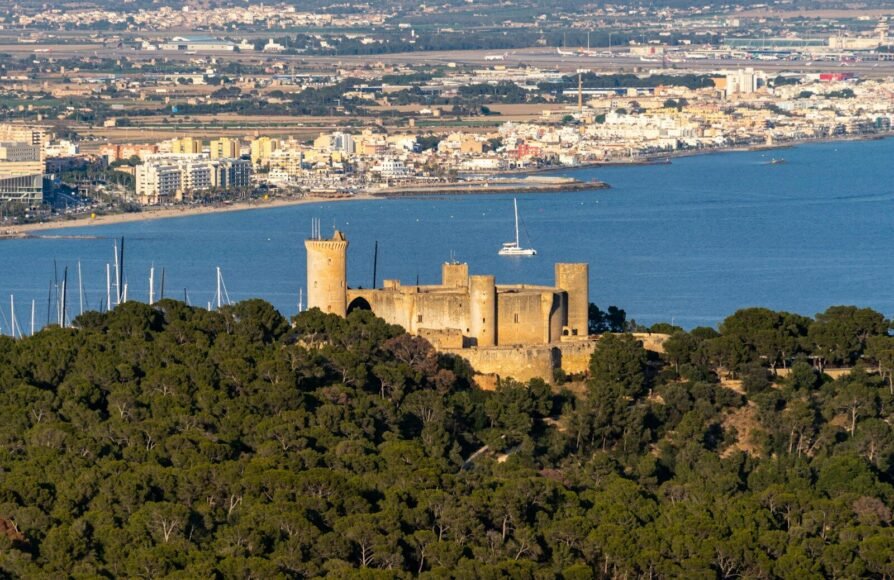
Ceuta Report Heightens Spain-Morocco Tensions
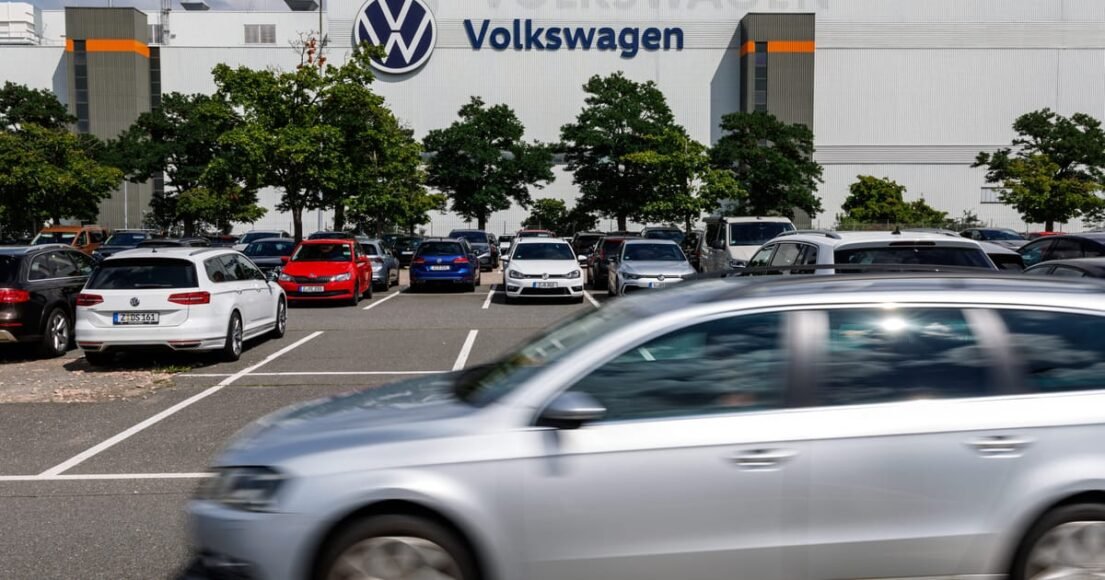
Germany’s Far Right Benefits from VW Troubles
Instead, automotive suppliers, chemical firms, and other manufacturers are facing job losses, high energy costs, and a surge in Chinese exports threatening vital industries.
These concerns are intensifying a

Irish Climber Alexander Harris Discovered Deceased After Siran Valley Mountain Search in Pakistan
Mansehra, Pakistan, 3 September (Brussels Morning Newspaper) – An Irish climber death has been confirmed in northern Pakistan after search teams recovered the body of Alexander Mark Harris from a gorge in the Siran Valley, ending a difficult operation involving more than 250 police personnel, mountaineers, forest officials and local residents.
Harris, 30, a dual Irish-British citizen who had bee
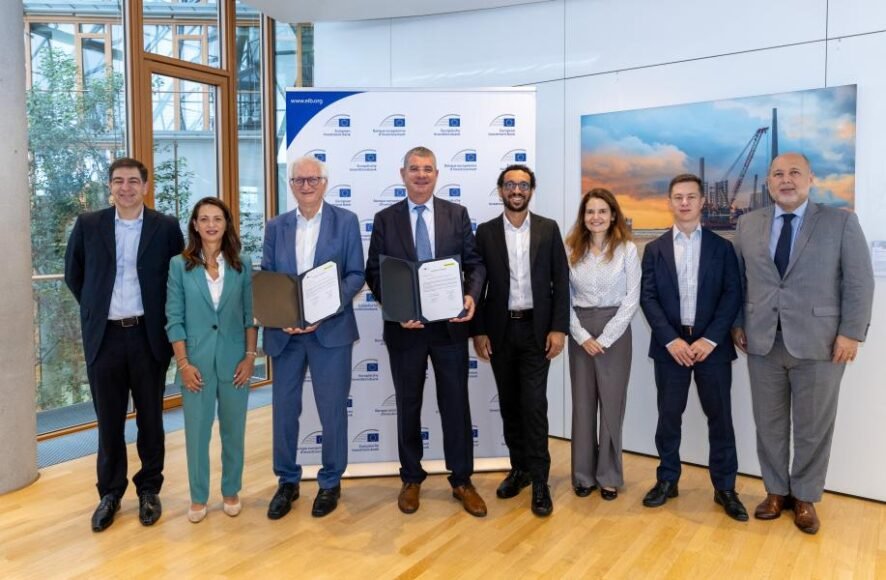
EIB Global and Banco do Brasil Unlock €500 Million for Women Entrepreneurs and Sustainable Development in the Amazon Region
European Investment Bank
€250 million EIB Global financing agreement with Banco do Brasil enables €500million in microcredit for women-led microbusinesses in Brazil’s Legal Amazon region.
Financing aims to reach around 50,000 women entrepreneurs, boosting women’s economic empowerment and sustainable development in the Amazon.
The initiative supports the EU-Brazil Green Deal, EU’s strategic
Leave a Reply