


At present, missions initially created to safeguard EU commercial ships from Houthi rebel attacks in Yemen are inactive in the strait and constrained by engagement rules limiting their impact, according to a senior EU diplomat.
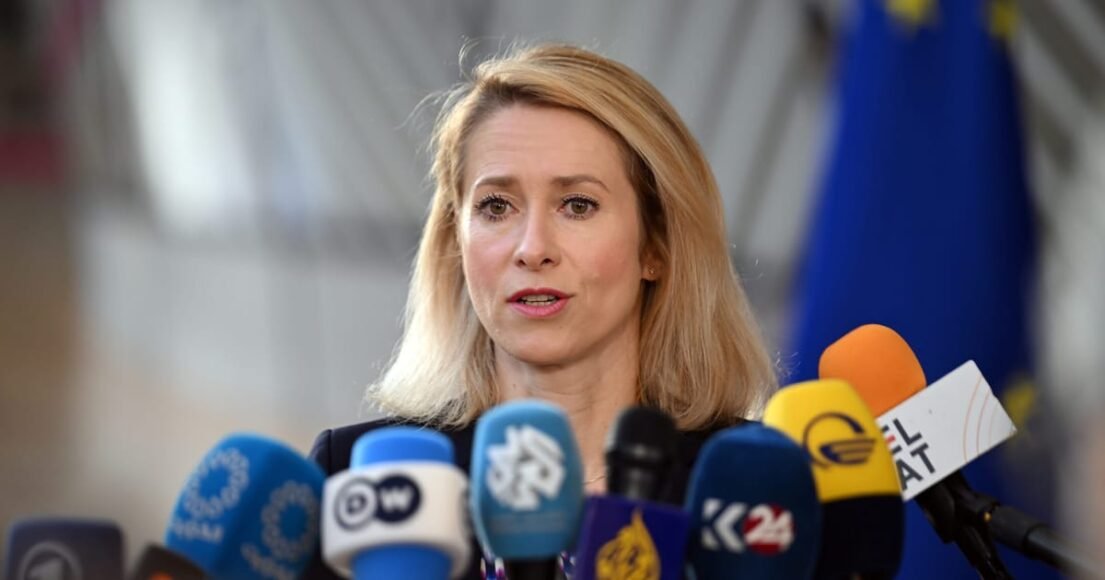
“We will discuss with member states if changing this mission’s mandate is feasible,” Kallas stated. “We have proposals available… The question is whether member states are willing to utilize this mission.”
“If member states decide not to take action, it’s their decision, but we must discuss showing our commitment to keeping the Strait of Hormuz open,” Kallas noted.
Kallas criticized Trump’s decision to lift sanctions on Russian oil exports as a “dangerous precedent,” emphasizing the importance of not allowing the Middle East conflict to overshadow Russia’s invasion of Ukraine. The U.S. temporarily lifted sanctions on Rosneft and Lukoil to ease global oil market pressures following oil price hikes above $100 per barrel due to attacks on Iran.
Nonetheless, the chief EU diplomat highlighted European efforts to clear the Strait of Hormuz. She mentioned the possibility of a “coalition of the willing” to secure the area, involving a group of countries rather than the entire 27-member bloc.
“But of course, you can see it’s difficult,” she added.
Following Kallas’s remarks, EU foreign ministers quickly dismissed the idea of joining a mission to clear the strait. Romania’s foreign minister argued NATO is a defensive alliance without obligation to intervene in the Middle Eastern conflict.
Milena Wälde contributed to this report.




Leave a Reply