


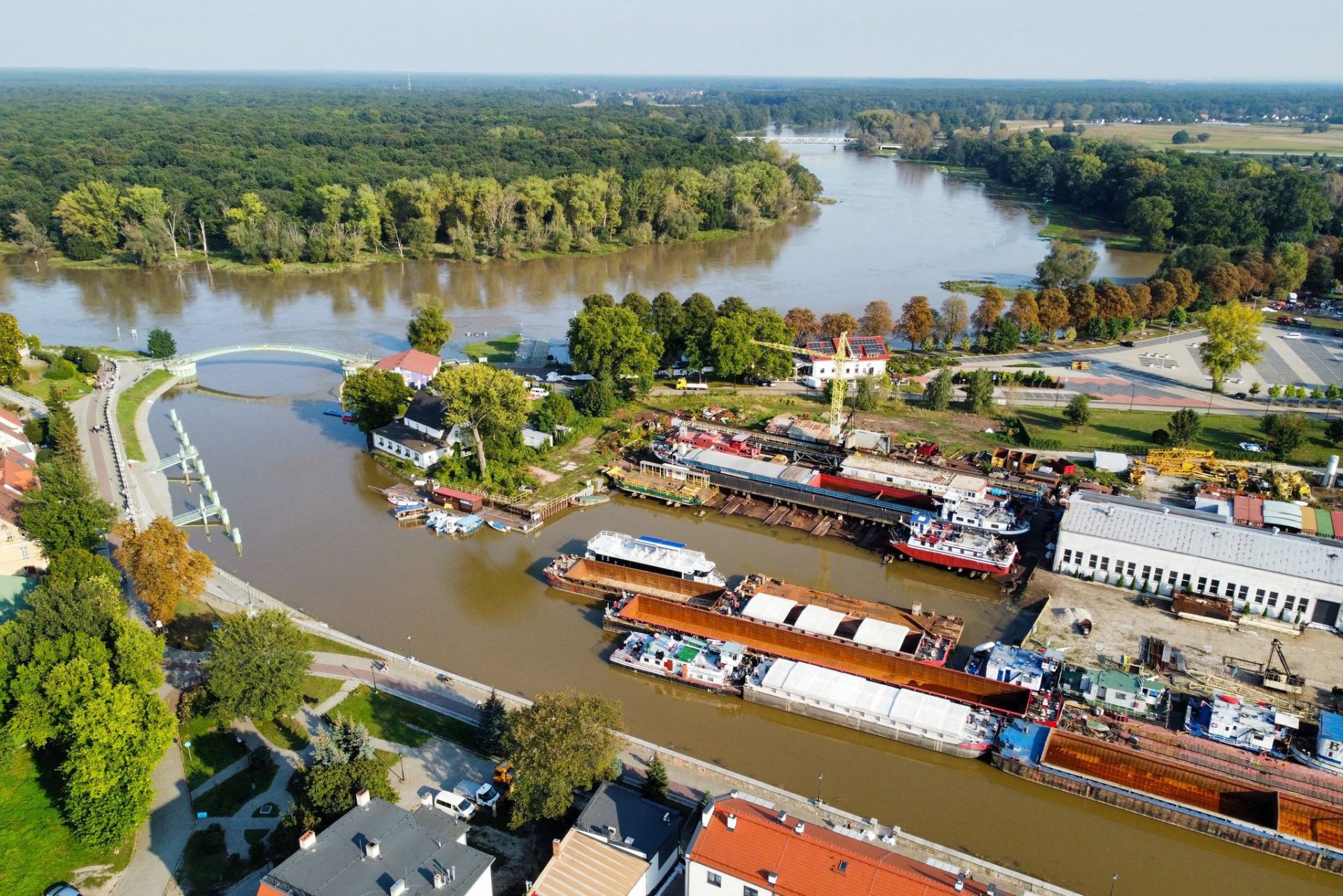
Brussels – The European Commission is taking steps to improve the cleanliness of the EU’s lakes and rivers while enhancing flood risk management. The issue of water scarcity and drought is becoming increasingly pressing across various regions in the EU, as highlighted in the Commission’s report on the state of water in the EU, presented on Tuesday in Brussels. Among its recommendations, Austria is encouraged to expedite the rehabilitation of water bodies and enhance flood management strategies.
During a press conference in Brussels, EU Commissioner Jessika Roswall discussed the reports on the implementation of key directives, including the Water Framework Directive, the Floods Directive, and the Marine Strategy Framework Directive. The findings reveal that only about 40 percent of the EU’s water bodies are currently in good ecological condition, with just 26.8 percent meeting good chemical standards. This situation is largely attributed to widespread contamination, particularly from mercury and other harmful pollutants. As a result, the Commission is urging EU member states to adhere more closely to water regulations and to promote water reuse.
In light of the increasing frequency and severity of floods in Europe, the Commission is calling on member states to enhance their planning and management capabilities and to invest adequately in flood prevention infrastructure. While acknowledging “significant improvements in flood risk management,” the Commission notes that the flood management plans submitted by EU states often lack clearly defined quantitative targets.
Austrian flood management plans need more precision
The report on Austria emphasizes the need for the country to set clearer goals in its national flood management plan, ideally linking them to measurable indicators and establishing specific deadlines. Progress towards these objectives should be regularly evaluated. Additionally, the report highlights the importance of assessing the flow velocity of relevant waterways and identifying flood discharge routes to improve emergency response efforts.
According to the report, Austria should also enhance its efforts to restore the ecological and chemical quality of its rivers and lakes. It calls for a more thorough evaluation of “diffuse pollutant loads from agriculture” in water bodies, with direct reduction measures integrated into management plans. Furthermore, domestic regulations should be established to remove unnecessary barriers to promote free water flow in rivers and streams.
“Our waters are facing significant challenges, including pollution, water supply threats, and insufficient flood protection. We must intensify our efforts to enhance water resilience. A clean and reliable water supply is vital for our citizens, the environment, and the success of our businesses,” stated Environment Commissioner Roswall. She plans to introduce a comprehensive water resilience strategy in 2025. (06.02.2025)







Leave a Reply