


Wopke Hoekstra, a prominent voice in European climate diplomacy, emphasized the importance of collective global action to address climate change, stating, “Even if you reduce everything back home, but you don’t manage to take the others along, you still face all the problems that we’re currently facing.” He underscored the need for a mix of diplomatic efforts, incentives, and pressure to encourage other nations to act, though he did not elaborate on what the potential “sticks” might entail.
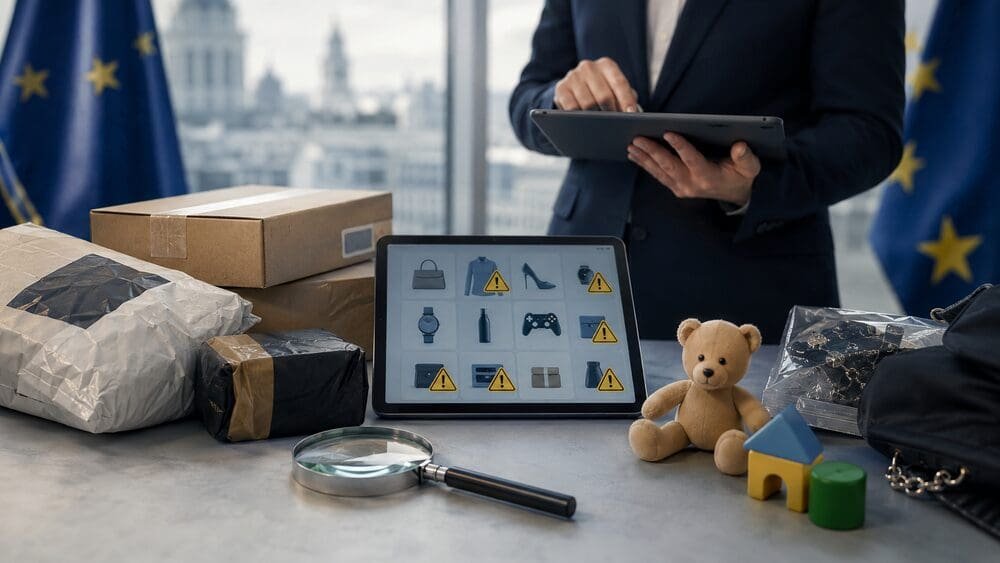
One such measure the EU is preparing to implement is the carbon border tax, set to take effect in 2026. This tax will impose a levy on importers of emissions-intensive goods, aiming to hold global players accountable for their carbon footprints. However, the initiative has sparked backlash, particularly from nations like Brazil, India, China, and South Africa. These countries raised concerns about the tax during discussions at November’s COP29 climate summit in Azerbaijan.
On the broader stage of global climate diplomacy, Hoekstra stressed that the EU must engage with all major emitters, regardless of their political dynamics — whether that’s China, Saudi Arabia, or even a Trump-led United States.

Donald Trump, a steadfast advocate of fossil fuels and skeptic of climate action, is back in the spotlight | Magali Cohen/Hans Lucas/AFP via Getty Images
Given the fact that G20 economies account for the majority of global emissions, Hoekstra highlighted the urgency for these nations to raise their climate ambitions ahead of next year’s pivotal COP30 summit in Brazil. “It makes sense that this whole group — by the way, including the Europeans — does make a step up,” he said. “We’re not going to move the needle if we try to offload this problem on other countries who have way below average per-capita emissions. … So everyone needs to play ball.”
At the same time, Hoekstra, a former finance and foreign minister, acknowledged the challenge of balancing the EU’s ambitious climate targets with the need to maintain industrial competitiveness. This balancing act is particularly pressing as European industries face growing competition from both China and the United States.






Leave a Reply