



Cairo (Eurotoday) – The EU delegation met Egypt’s Minister Al-Mashat to discuss €1.8 billion in investment guarantees for projects under the EFSD+ framework.
A European Union delegation, led by Florian Ermacora, Head of the North Africa Unit at the Directorate-General for Neighborhood and Enlargement Negotiations, met with Egypt’s Minister of Planning, Economic Development, and International Cooperation, Rania Al-Mashat, to examine the blank” rel=”noopener”>€1.8 billion investment guarantees presented through the European Fund for Sustainable Development Plus (EFSD+).
What are the key goals of the EU-Egypt investment partnership?
This endeavour is part of the financing contract signed between Egypt and the EU in March and aims to fund proposed projects and agendas across various sectors.
As reported by Egypt Today, the meeting also explored hosting a workshop in Egypt to present EFSD+ mechanisms, providing stakeholders with an understanding of their benefits and operational framework. The panel, led by Florian Ermacora, Head of the North Africa Unit at the Directorate-General for Neighborhood and Enlargement Negotiations, reviewed continuous cooperation programs and strategies to support collaboration while activating the investment guarantees instrument announced earlier this year.
What are the six main priorities of the EU-Egypt cooperation?
The collaboration between Egypt and the EU encompasses a wide €7.4 billion strategic framework, addressing six critical priorities: fostering political relations, maintaining economic stability, enhancing investment and trade, enhancing migration frameworks, maintaining security, and increasing citizen-focused initiatives such as education and skills development.
How is the EU supporting Egypt’s economic and social growth?
The financial support package, reported in March by EU President Ursula von der Leyen, includes €5 billion in macro-financial assistance, €1.8 billion in investments, and €600 million in grants. This funding backs trade, renewable energy, culture, education, and other endeavours aimed at driving Egypt’s economic and social growth.
Comments
2 responses to “EU and Egypt Discuss €1.8 Billion Investment Guarantees”
-
Investment guarantees worth €1.8 billion? Just what Egypt needs—more assurances than a Brit in a queue! 😂 Hope they don’t forget to bring a proper tea set for those meetings! ☕️
-
Oh joy, more EU cash to sprinkle on Egyptian projects—because who doesn’t love a good financial love affair? 😏 Just what we need, another workshop to explain how to spend money we may or may not have! 💸

Last News
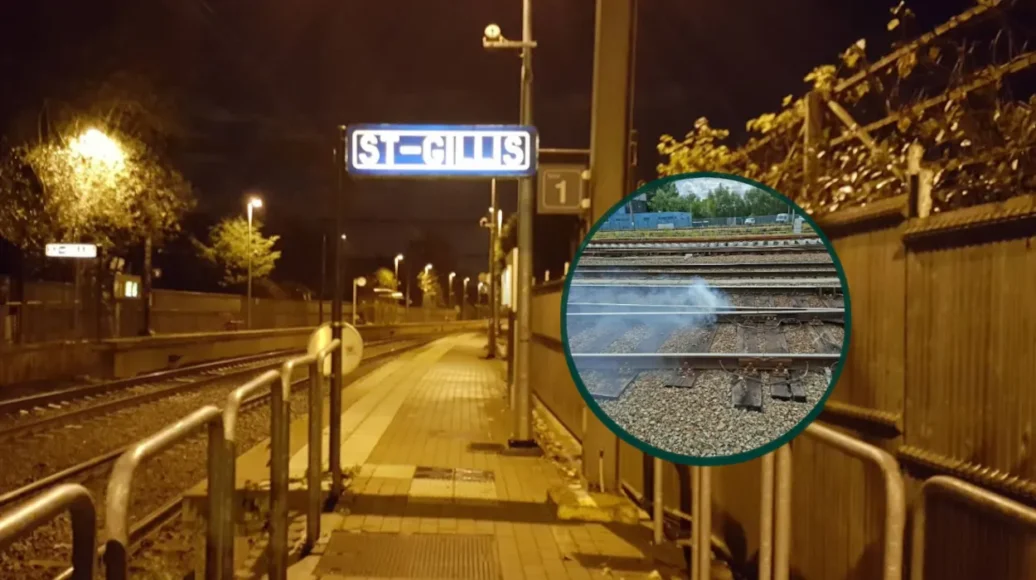
Train Services Disrupted by Minor Track Fire in Sint-Gillis-Dendermonde
Dendermonde (Eurotoday Newspaper) – Train traffic was temporarily halted on Wednesday afternoon after a small fire broke out on the railway tracks at Boonwijkstraat in Sint-Gillis-Dendermonde, a locality within the Dendermonde municipality in East Flanders, Belgium.
While the event was initially described as a trackside fire in initial reports and not one in a train, it did lead to the appropri
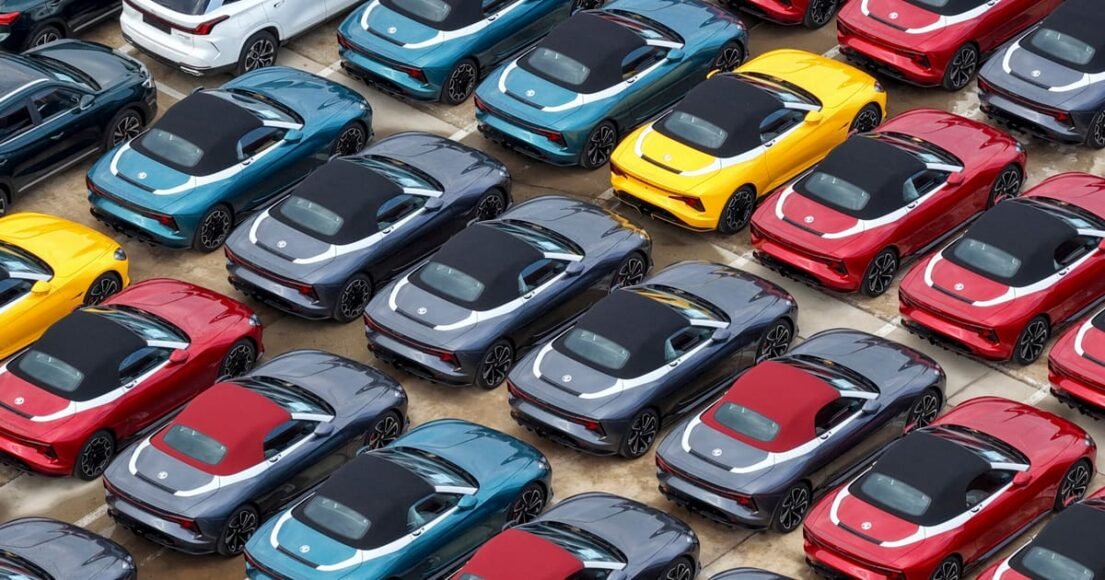
China Threat Strengthens Support for EU Industrial Policy
The IAA aims to mitigate this pressure, restricting Chinese investments in strategic sectors like EVs, raw materials, or solar pan

Poison Claims Life of Last Wild Bearded Vulture in Bulgaria
Conservationists are voicing their concerns following the mass poisoning of vultures in Central Balkan National Park. They demand strict enforcement of wildlife protection laws, harsher penalties for crimes against protected species, and immediate action against the use of poisoned baits.
The protest was spurred by a mid-August poisoning event in the Balkan Mountains that resulted in the deaths
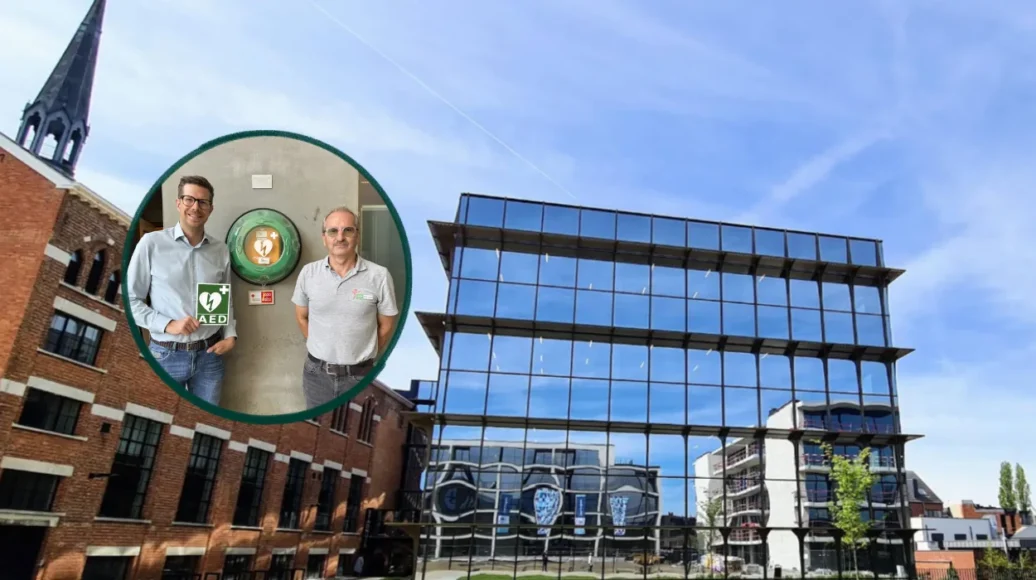
Beringen Enhances AED Network with Three New Sites and Nine Upgrades
Beringen (Eurotoday Newspaper) – The city of Beringen has announced a significant expansion of its automated external defibrillator (AED) network, installing devices at three new locations while replacing nine older units to ensure reliable emergency cardiac care across the municipality.
What Does the New AED Expansion Include?
The new phase in the development of the Beringen Automated External
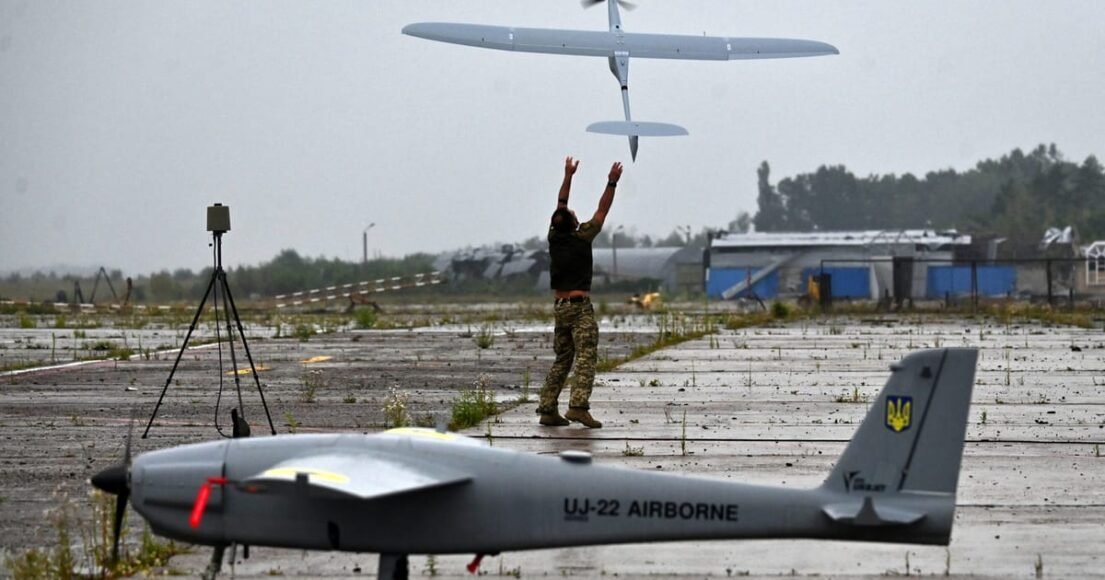
Poland’s Tusk claims Moscow likely responsible for drone factory arson
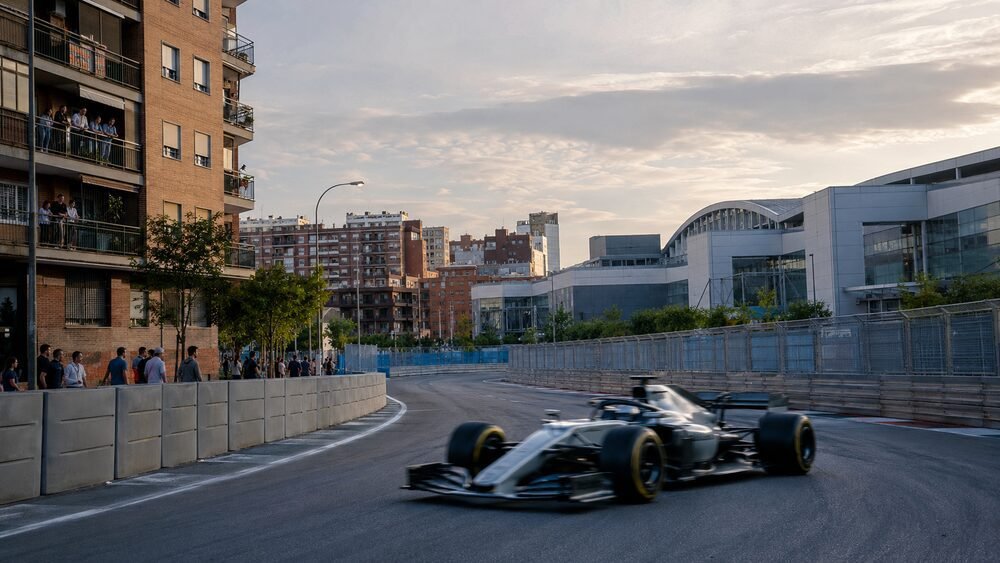
Madrid F1 Track Confronts Noise Challenge
Madrid’s first Formula One Grand Prix at the new Madring circuit is approaching under a cloud of neighborhood concern after residents recorded high noise levels during recent Formula Three sessions. City officials have promised acoustic barriers
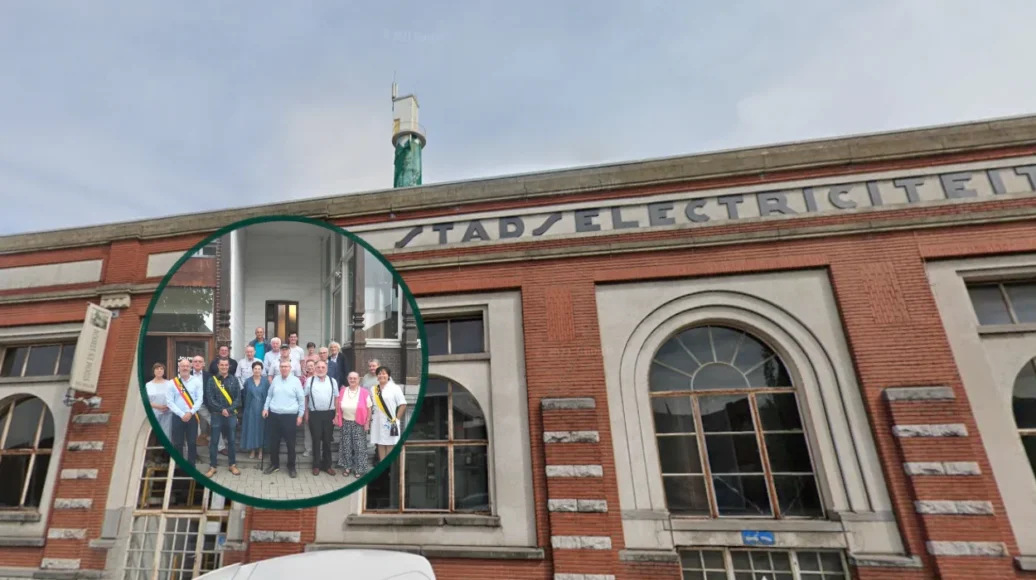
Izegem Steam Friends Celebrated at 125-Year Steam and Electricity Festival
Izegem (Brussels Morning Newspaper) – Izegem will be celebrating its volunteer group called the “Steam Friends” as part of a year-long celebration to commemorate the 125 years since steam and electricity have powered Izegem’s industries and community. This will culminate in an event on Sunday, 13 September 2026 at the Museum Stoom en Stroom, where the city, its heritage volunteers, and the regio
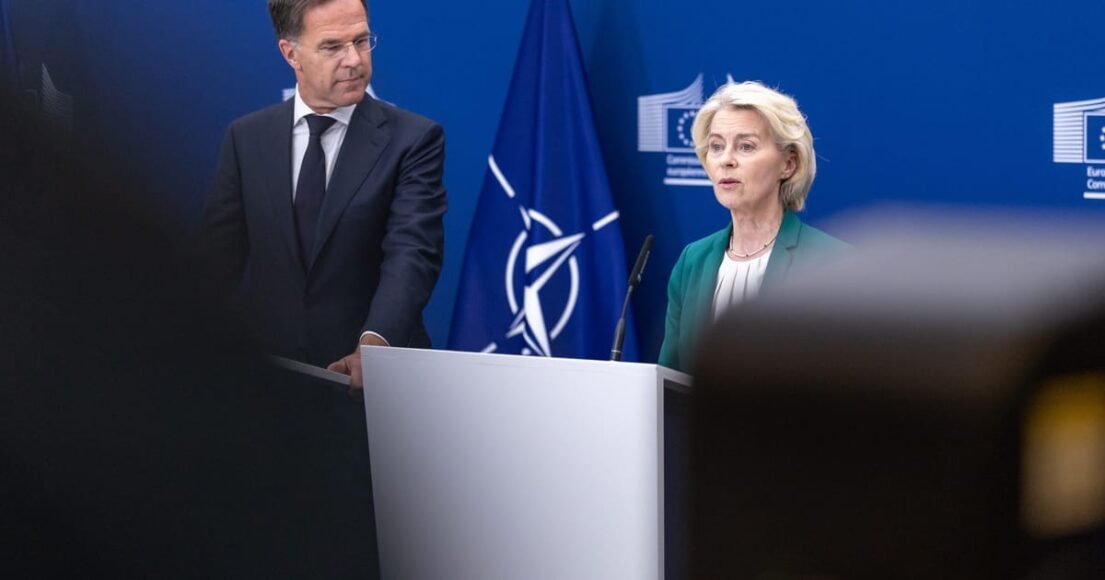
Von der Leyen, Rutte: Russian ‘Intimidation Will Not Work’ to Stop Ukraine Aid
Rutte criticized Russia’s actions as “reckless,” citing incidents like “drones and missiles” entering NATO airspace, fires allegedly set at fact
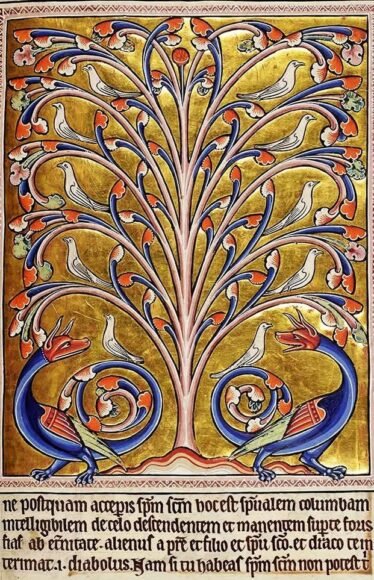
Divine Wisdom Imagery and Concept in the Old Testament (1)
Divine Wisdom (Hebrew – חוכם; Greek – σοφία) is a central theme in didactic biblical literature, referred to as chomic in modern biblical studies. The authors of Wisdom explore it in theological and moral-practical senses, treating it as a divine attribute or a human quality bestowed from above. Sometimes it is discussed as Wisdom itself, while other times as participation in it
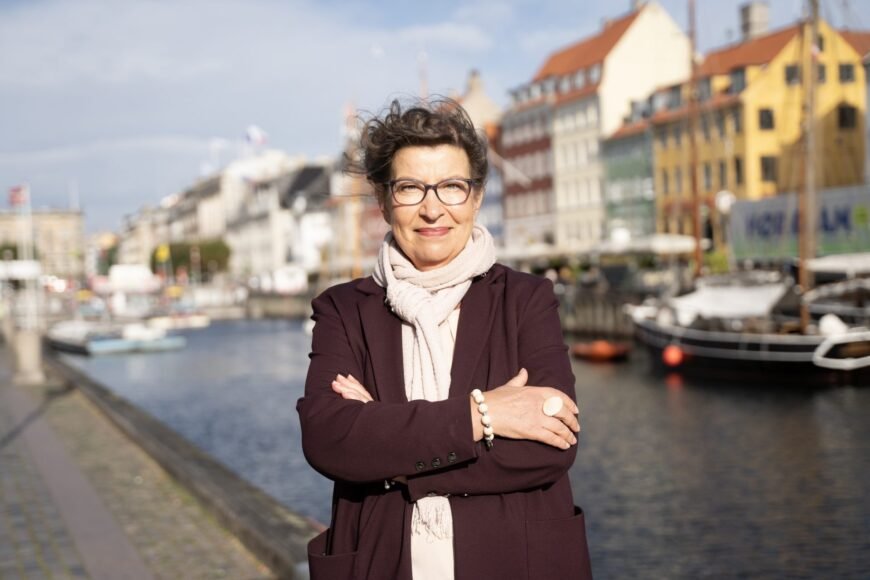
"Climate Change is Present and Painful" — Interview with the Executive Director of the European Environment Agency
Leena Ylä-Mononen, the Executive Director of the European Environment Agency (EEA), emphasized that adapting to climate change is now essential, as its effects are already manifesting. “Severe droughts have disrupted agricultu
Leave a Reply