


Asia, February 8, 2026: The Japan and Thailand elections took place on 2026, as voters across Tokyo and Bangkok went to the polls in one of the most closely watched political moments in Asia this year. From a European perspective, Eurotoday Newspaper notes that the synchronized voting reflects deeper shifts in democratic participation, economic priorities, and regional leadership at a time of global uncertainty and geopolitical recalibration.
Polling stations opened before sunrise, with election authorities in both countries reporting smooth operations, visible security presence, and high early turnout.
Election Day Atmosphere in Japan
Across Japan, election day unfolded in an orderly and disciplined manner. Urban districts recorded steady voter flow throughout the morning, while suburban and rural areas experienced increased participation compared to previous cycles. Election officials confirmed that accessibility measures were in place for elderly voters and people with disabilities.
Observers following the Japan and Thailand elections said Japan’s electorate appeared particularly motivated by domestic economic pressures, including inflation, household income stability, and long-term pension sustainability. Campaign discussions throughout the country reflected concerns about balancing fiscal responsibility with social protection.
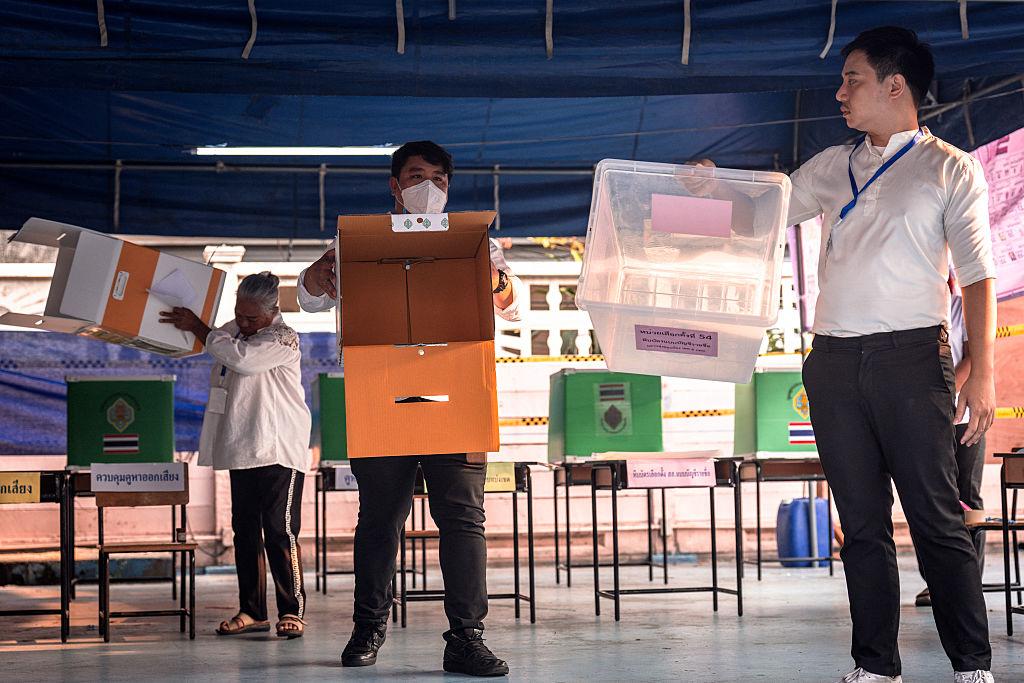
Thailand’s Nationwide Vote Under Global Attention
Thailand’s election marked a defining political moment after years of public debate surrounding governance, reform, and institutional accountability. Polling stations in Bangkok, Chiang Mai, and provincial centers reported high engagement, especially among first-time voters.
Analysts tracking the Japan and Thailand elections observed that Thailand’s political climate has shifted toward issue-based voting rather than personality-driven campaigns. Electoral officials emphasized transparency and encouraged calm as ballot counting began later in the evening.
One Bangkok voter said,
“This election is about whether the system listens to ordinary citizens.”
Economic Priorities Shape Voter Choices
Economic concerns emerged as a shared theme across both nations. In Japan, voters focused on rising living costs, wage growth, and fiscal discipline. Policy proposals emphasized innovation, labor market reform, and support for aging populations.
In Thailand, economic messaging centered on job creation, income inequality, and regional development. Economists following the Japan and Thailand elections suggested that voters in both countries are increasingly pragmatic, prioritizing economic security over ideological alignment.
Security Arrangements and Electoral Integrity
Comments
3 responses to “Elections in Japan and Thailand Reshape Asia”
-
Seems like Tokyo and Bangkok decided to throw a little election party—good luck getting an invite to that soirée! 🎉 Bet the ballot boxes have more action than my last board meeting! 😏
-
Can’t wait to see how these elections magically solve all the world’s problems! Who knew a bit of democracy could be the secret sauce for inflation and aging populations? 😂
-
Seems like Japan and Thailand are trying to figure out the whole “democracy” thing while the rest of us order another round of beers and pretend we’re not watching. 🍻 At least they managed to keep the polling stations orderly—who knew politics could be less chaotic than a European train schedule? 😂
-
Looking at Japan and Thailand’s elections, one might think the political landscape is evolving—who knew democracy could be so trendy? 🍃 Meanwhile, I’m still trying to figure out why my last taxi ride cost more than my dinner. 😅

Last News
Elections in Japan and Thailand Reshape Asia

Starmer Distances Himself from Former Communications Chief Linked to Sex Offender Campaign
Georgia Gould, one of Starmer’s ministers, told Sky News that Downing Street was unaware of Doyle’s campaigning for Morton before granting him the peerage. She added that the prime minister has reconsidered the situation to u
Ethiopia: Türk Fears New Crisis in Tigray Amid Renewed Fighting
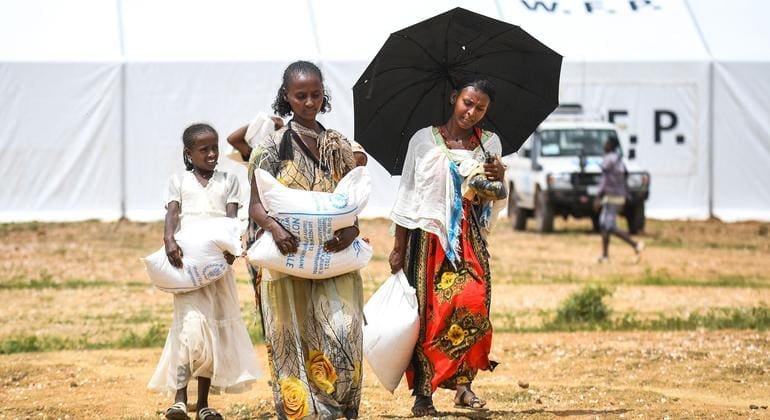
Mr. Türk expressed concern over the instability following recent clashes between the Ethiopian army and regional forces, worrying about the potential worsening of the human rights and humanitarian situation in the region.
This development follows a deadly conflict from 2020 to 2022 in Tigray between the Government and separatist forces, amid rising tensions between national and regional authori
Japan Election Results: PM Takaichi Achieves Major Victory in Tokyo

What did Starmer offer to secure loyalty?
Today, there’s speculation about who was calling Anas Sarwar before his press conference on Monday, with new rumors suggesting it was Angela Rayner.
Meanwhile, attention remains on Wes Streeting, who continues to deny any lack of su

New Report Reveals Fish Fraud Affects 20% of Global Catches

AI in Operating Room Sparks Concerns Over Surgical Safety in US
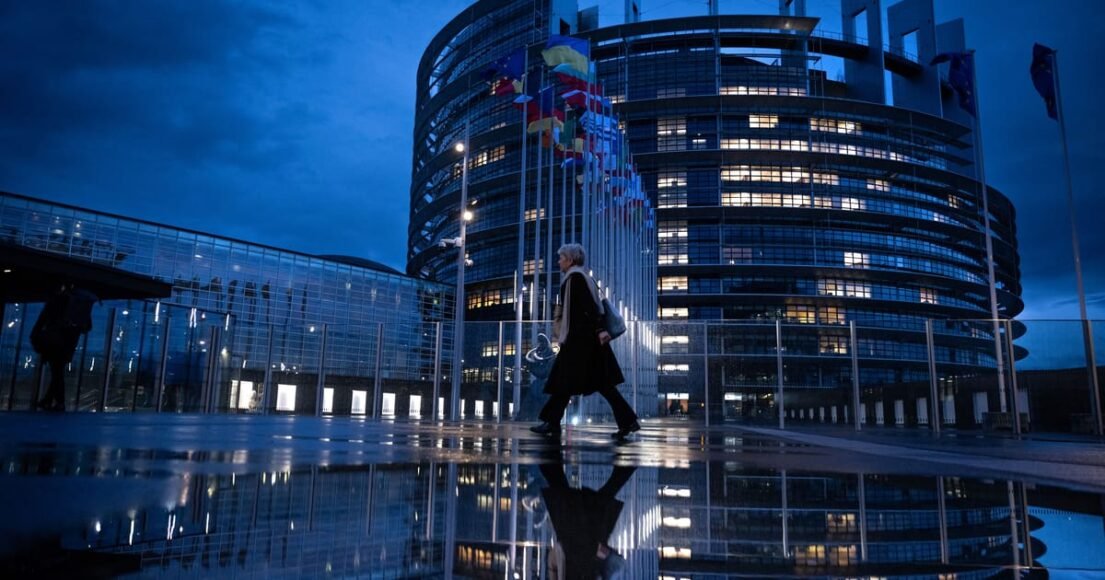
Europe’s Autonomy Drive Highlights Historical Divisions
“Everyone around the table must face a moment of truth,” stated Manfred Weber, leader of the European People’s Party, which includes German Chancellor Friedrich Merz and Commission P
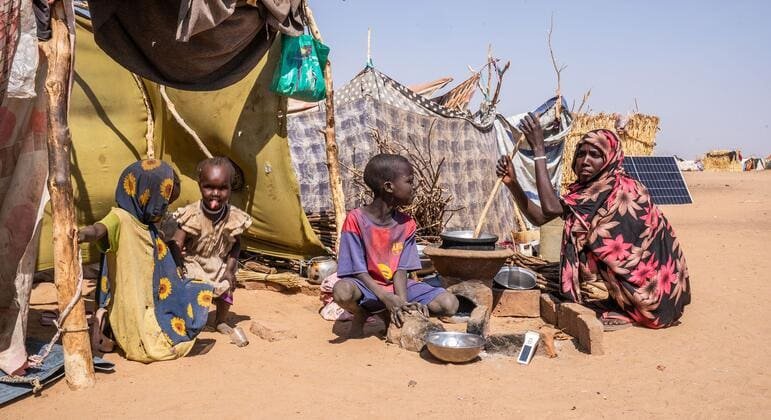
In Sudan, Sick and Starving Children ‘Wasting Away’

To Combat the Populist Far-Right, European Leaders Can Learn from Portugal
As Portugal headed to the polls on 8 February for the second round of its presidential election, André Ventura, the candidate of the far-right Chega party, has advanced to the run-off after securing 23.5 percent of the vote in the first round. It is the first time a far-right candidate has reached this stage of a presidential election in Portugal’s democratic history. Ventura has built his campa
Leave a Reply