


On Wednesday, the European Commission announced its commitment to ensuring that farmers are not compelled to sell their products below production costs. Detailed proposals are anticipated in the upcoming months.
The announcement unveiled the European Commission’s long-term vision for agricultural policy within the European Union. While it doesn’t offer many specific recommendations, it outlines the goals the Commission aims to achieve, with more concrete details expected to follow soon.
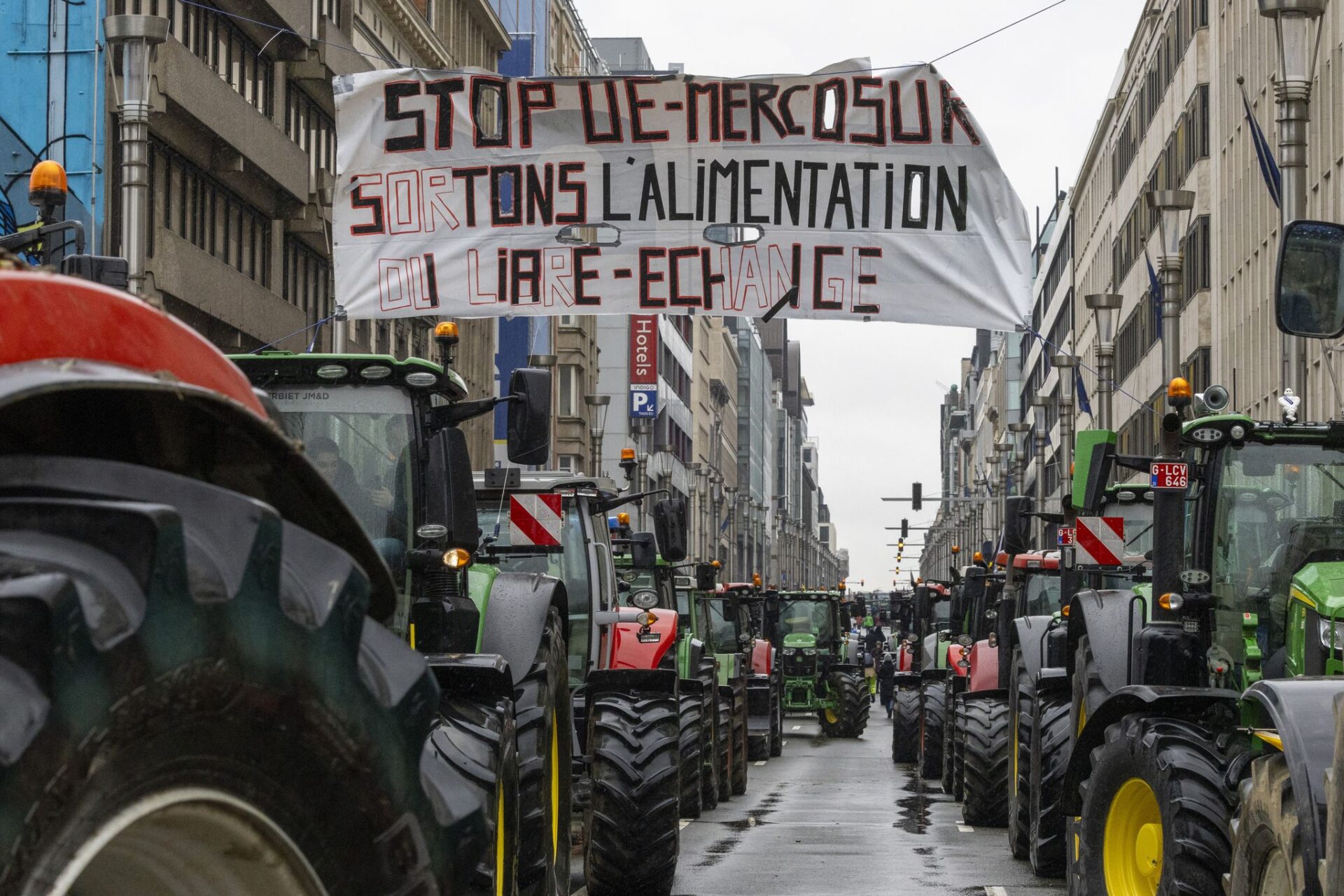
This new vision responds to widespread farmer protests across Europe last year, including demonstrations in Brussels and Strasbourg. Farmers have called for the termination of the trade agreement with Mercosur, which includes several South American countries, as well as the repeal of certain regulations from the Green Deal—an EU strategy aimed at achieving climate neutrality by 2050.
The Commission’s vision aims to address farmers’ concerns by promising support and fair earnings.
“Food and agriculture are vital for the people, economies, and societies of Europe. We need a thriving agri-food sector that can compete fairly in the global market and withstand crises. It is also crucial to ensure our food sovereignty,” stated EU Agriculture Commissioner Christophe Hansen on Wednesday.
The strategy emphasizes making agriculture more appealing to prevent farmers from leaving the profession, ensuring fair incomes, and better-targeted public support. Additionally, it aims to facilitate farmers’ access to credit to enhance their income.
A key commitment from the European Commission is to prevent farmers from being forced to sell their products at a loss. However, specific measures to achieve this were not detailed, though a review of the directive on unfair trading practices was mentioned.
This issue has persisted for years, largely due to low purchase prices for agri-food products that fail to cover production costs, compounded by farmers’ lack of influence over pricing set by intermediaries and corporations.
The Commission also pledged to safeguard European farmers’ interests against external competition, addressing one of the farmers’ core grievances. Many farmers argue that they must comply with strict EU standards while imported agricultural products do not, resulting in unfair competition.
Furthermore, EU officials announced plans to review restrictions on pesticide use and to promote the availability of biopesticides in the EU market. This was another point raised by protesting farmers, who claimed that these restrictions hindered their production, allowing farmers from non-EU countries to gain an advantage.
Looking ahead, the future Common Agricultural Policy (CAP) will be designed to be “simpler,” with support focusing on farmers actively engaged in food production, particularly targeting young farmers. The Commission aims to favor incentives over conditions in its approach. (19.02.2025)









Leave a Reply