


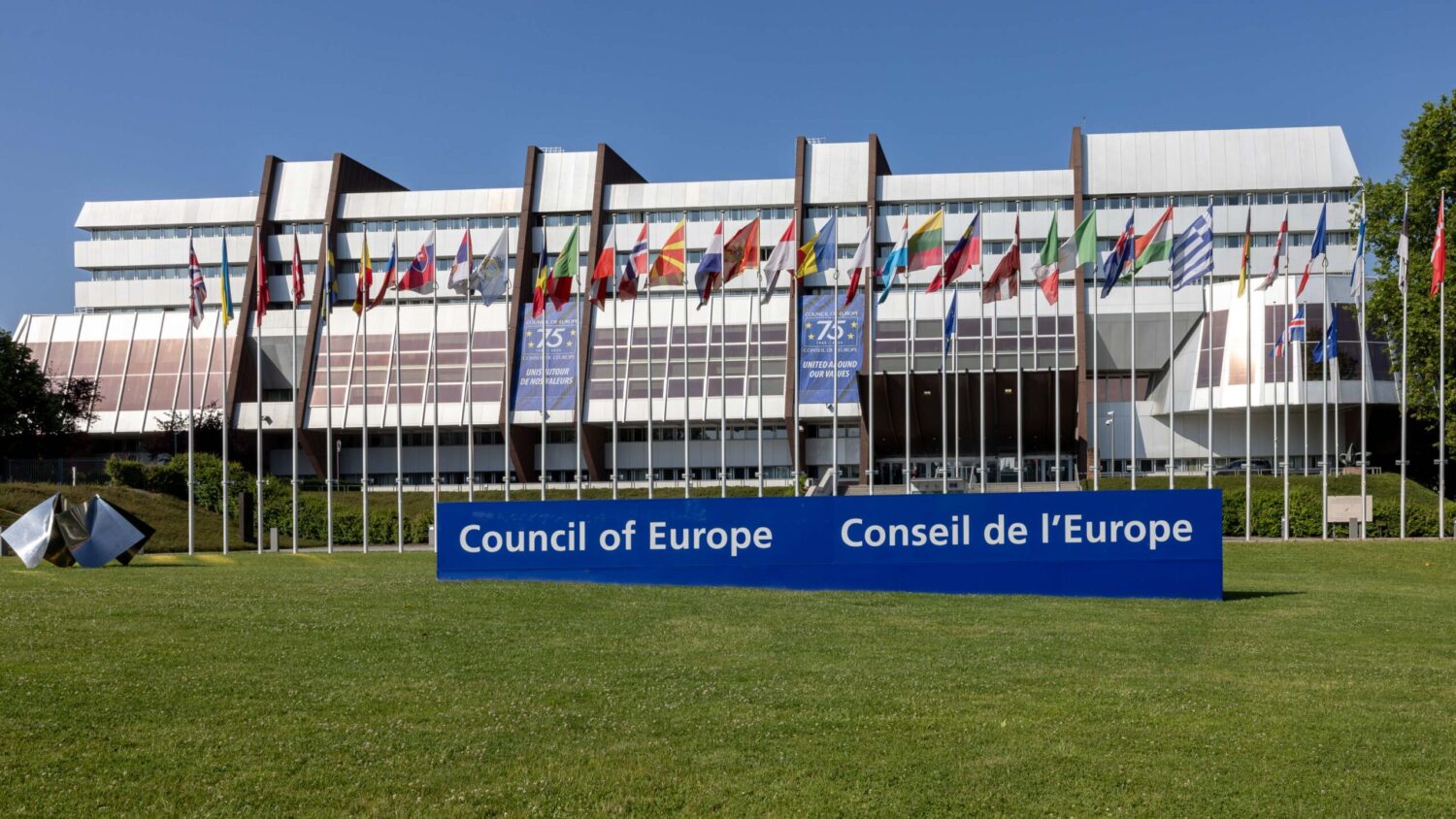
Strasbourg, 27.01.2026 – Secretary General Alain Berset addressed the session of the Parliamentary Assembly of the Council of Europe, a significant event for European democracy where parliamentarians from across the continent debate the direction of a shared European democratic future amidst a disrupted world order. The Secretary General highlighted the current era:
“What is new is the acceleration of crises. It comes with a constant flow of information, and the volatility it creates. By now, the patterns are clear. Positions change within days, if not hours. Threats are made, only to be reversed… Power politics have always existed. What is troubling is where they are reappearing: within alliances; inside spaces built on law, consent, and predictability. And that is why we are speaking of a rupture in the world order.”
The roots of this crisis acceleration were not sudden, Berset emphasized, linking them to failures in respecting post-Cold War agreements, particularly concerning Ukraine’s sovereignty, and frustrations post the 2008 financial crisis.
“Law is Europe’s form of power.”
Berset warned against harmful reactions to great-power competition for Europe:
“Europe is told that insisting on international law is naïve in an age of hard power. That rules must bend for security. But look at where this leads. We are hearing threats of military action over the territory of a member state.”
He argued against choosing between law and security, advocating democratic security as Europe’s path forward:
“Law is Europe’s form of power. It is what creates autonomy without domination, co-operation without submission, and security without surrender.”
Drawing parallels to Dickens’ “A Tale of Two Cities,” Berset remarked on Europe’s current crossroads:
“Europe is facing, once again, two possible worlds. One where security is reduced to force, and sovereignty becomes negotiable. And one where security is built on rights, institutions, and law.”
He urged focus on peace in Ukraine, safeguarding Europe’s legal framework, and reminded that Europe is not weak:
“Middle powers are not powerless… The space between great powers is not empty. It is where Europe must act. In Greenland or crises like Venezuela, this moment cannot be reduced to a binary choice between sterile condemnation and blind support… Europe’s task is different. To refuse a world governed by exceptions, double standards, or competing spheres of influence. And to insist that security cannot be built by bargaining away the principles that sustain it.”
The Council of Europe actively supports human rights, democracy, and the rule of law, with significant efforts towards Ukraine, combating disinformation, and addressing migration within the European Convention on Human Rights framework, ensuring no democracy faces these challenges alone.
Berset’s speech was both a rallying cry and a testament to European vitality and legal principles:
“Democratic security is our continent’s answer to the emerging world order.”
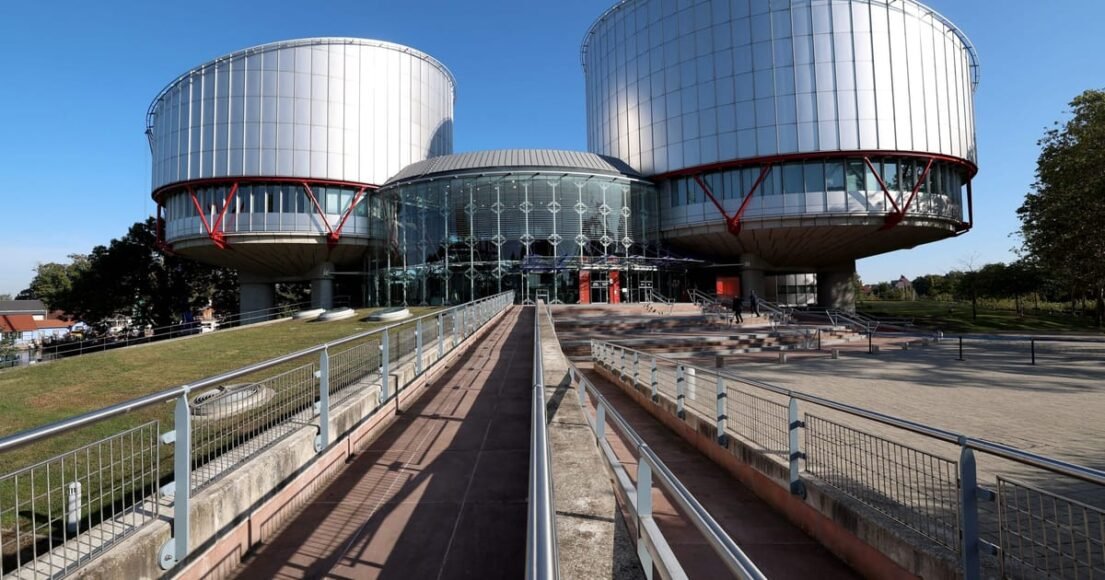
After his address, Berset answered questions from Parliamentary Assembly members, discussing issues such as disinformation, the European Court of Human Rights’ independence, and the Council of Europe’s support for Ukraine’s accountability.





Leave a Reply