



Ghent (Eurotoday): De Lijn is testing new safety measures for cyclists near tram tracks in Ghent, where 500 accidents happen annually. The plan includes adding anti-slip coatings and redesigning tracks to make cycling safer, especially in bad weather. Alderman Filip Watteeuw is leading this effort.
In mid-October, De Lijn began tests to improve safety for cyclists near tram tracks. Cyclists can easily get stuck in the grooves of the tracks, especially when turning or crossing at an angle. This risk is even greater in rainy weather when tracks and manhole covers become slippery. To help prevent accidents, the city is considering redesigning tram track areas, enhancing maintenance, and adding anti-slip coatings or textured surfaces in key spots.
What measures is De Lijn implementing to improve cyclist safety near tram tracks?
It has been said that this initiative is part of a bigger plan to improve safety for cyclists on streets that have tramlines. The testing phase helps the authorities check how effective these safety measures are in reducing accidents before they are applied more widely in the city. By targeting these high-risk areas, De Lijn aims to make cycling safer and decrease the number of falls and injuries related to the tram system, especially during bad weather.
De Lijn is making metal surfaces rougher by adding an anti-slip layer to help cyclists grip better. The first tests were successful, so they expanded the project to nearby streets. However, Demerling said there isn’t enough money or time to do this all over Ghent. They are also looking for other ways to stop falls on tram tracks, as at least 500 people are injured each year from them.
Comments
One response to “De Lijn Trials Safety Initiatives to Curb 500 Cyclist Accidents Annually in Ghent”
-
Oh splendid! Just what we needed—more anti-slip coatings to help cyclists navigate our charming tram tracks like it’s some kind of obstacle course. 🍷 Next they’ll be adding a “Cyclist’s Survival Guide” to the tram map! 😂

Last News
Bank of England’s Bailey Warns Rising Government Debt Poses Long-Term Risks, London
London, 4 September (Brussels Morning Newspaper) – Bank of England Governor Andrew Bailey has warned that long-term government debt pressures across advanced economies are being fuelled by weak productivity, ageing populations, major economic shocks and demands for increased defence spending, contributing to higher borrowing costs.
Bailey made the comments at a conference hosted by the London Sc

Europe Faces Autumn With Limited Gas Reserves
Uneven Gas Reserves Spark Price Concerns as EU Braces for Another Uncertain Winter
Europe is heading into the heating season with low gas reserves, increasing price pressure on households and industries, despite official assurances about supply security. The situation is especially concerning in Germany and the Netherlands, where storage levels are significantly lower than in several southern an

Ein Spaziergang mit Sahra Wagenknecht
Zwischen der AfD und den Altparteien ringt BSW um Sichtbarkeit und beklagt die mediale Blockade

Ukrainian Doctors Train in Antwerp for Kyiv Burn Centre Supported by Belgium
Antwerp (Brussels Morning Newspaper) – Doctors from Ukraine are acquiring practical experience in Antwerp under the auspices of a Belgian strategy which entails setting up a specific center in Ukraine, specifically in Kyiv, where burns could be effectively managed. This initiative was unveiled in mid-August, 2026 when a delegation paid a visit to Ukraine and included an investment of €10 million
Acquittal in Malta Leaves Daphne Case Unresolved
Businessman Yorgen Fenech has been found not guilty by a Maltese jury of being complicit in the 2017 assassination of investigative journalist Daphne Caruana Galizia. Despite the verdict, which reflects a failure by prosecutors to convince t
The Solo Crusader Against Gianni Infantino
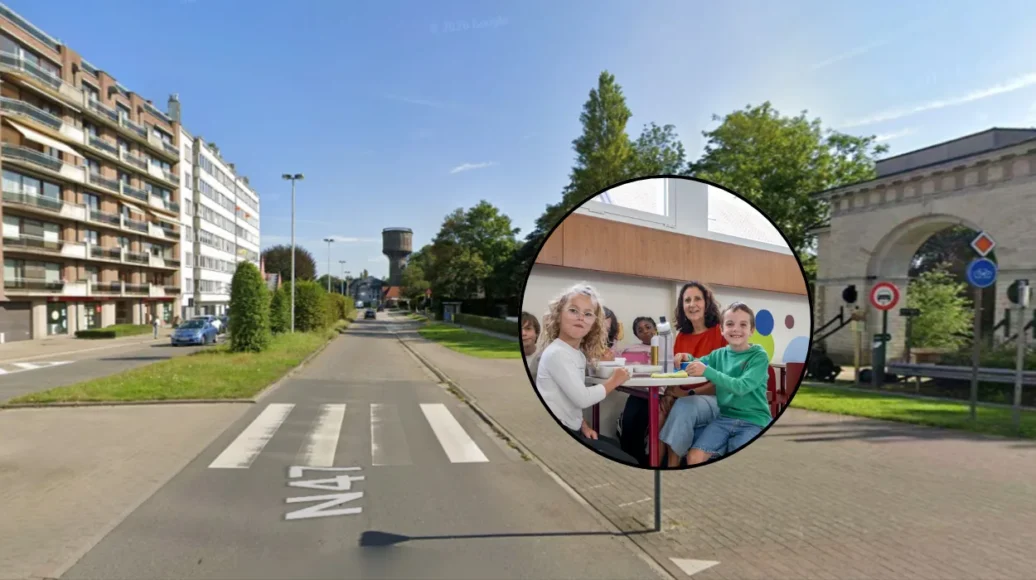
Visitatieschool Students to Use Renovated Cafeteria This School Year
Dendermonde (Eurotoday Newspaper) – Children at Visitatieschool will have lunch in the renovated refectory starting this school year, marking a significant improvement in daily school life for students and staff alike. The announcement comes as schools across Belgium reopen following summer break, with infrastructure upgrades taking centre stage in efforts to enhance the learning environment.
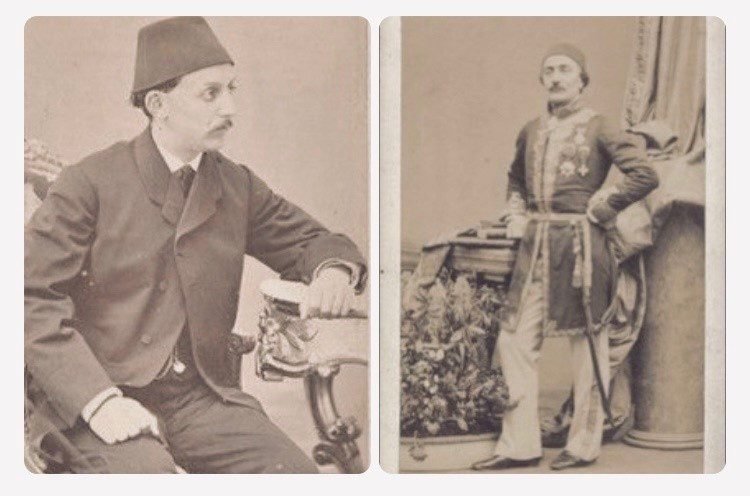
Were All Ottoman Sultans Followers of Sufism?
Early Period
Osman I and his son Orhan were members of the Vefâiyye sufi order led by the legendary grandmaster Edebâlî.
Murad I the Benevolent was a follower of the mystic Seyyid Mehmed Hammârî of Tabriz.
Bayezid I the Thunderbolt was a disciple of the Nurbakhshiyye order grandmaster Emir Sultan.
Mehmed I the Prince followed the Zeyniyye order’s leader Molla Fenari.
Murad II was a Mevlevî under
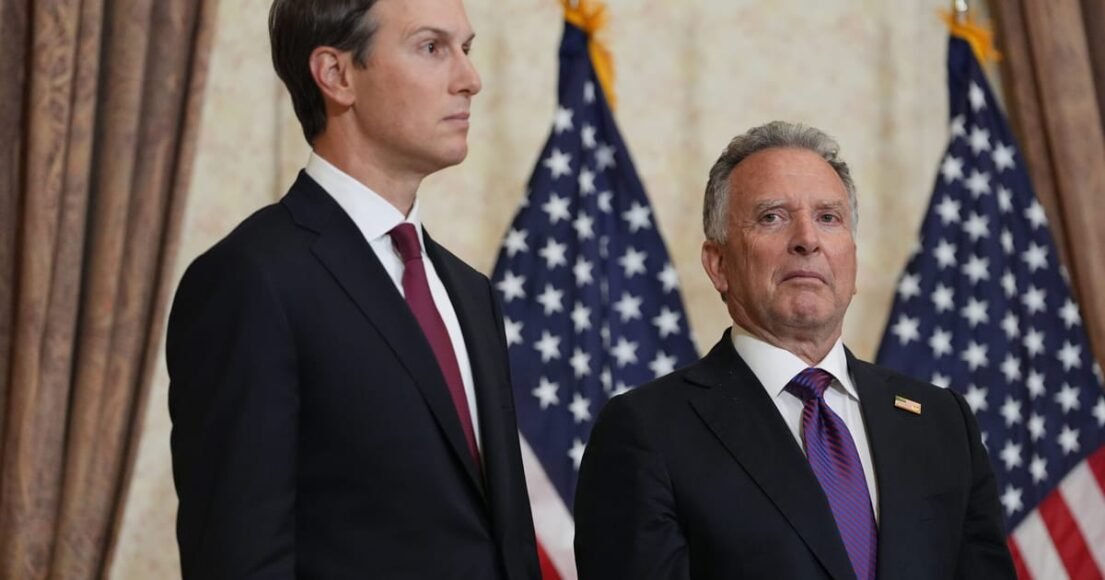
Witkoff and Kushner to Visit Moscow and Kyiv on Sunday
The two men have been important U.S. mediators in the halted Ukraine peace negotiations. Witkoff has taken multiple trips to Moscow for discussions with Russian President Vladimir Putin in 2025 and early 2026 and has met with Zelenskyy in the U.S., Germany, and France. This upcoming jou
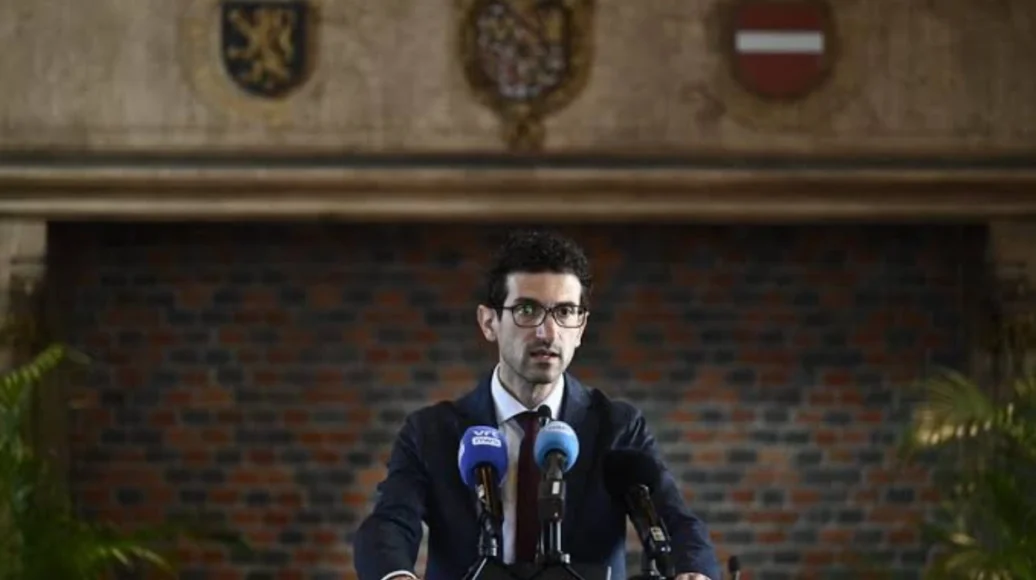
Belgian Jews Condemn Leuven’s Ban on Israeli Club Match as Antisemitic
Leuven (Eurotoday Newspaper) -The Mayor of Leuven, Mohamed Ridouani, has banned the playing of the Europa League game between Union Saint-Gilloise (USG) and Hapoel Be’er Sheva from Israel based on the grounds of safety concerns due to the ongoing war between Israel and Gaza and possible demonstrations. This was revealed at a meeting at Leuven City Council held early September 2026 and is valid w
Leave a Reply