


Damascus, Syria — January 2026. Eurotoday notes that Syrian authorities have accelerated security deployments across northern and central districts following the withdrawal of Kurdish-led forces, marking a decisive phase in the Syria security crackdown as the government seeks to eliminate power vacuums and prevent militant resurgence.
Armored vehicles now guard strategic junctions, checkpoints regulate civilian movement, and intelligence patrols operate around former autonomous zones. Officials describe the measures as stabilizing steps, while residents observe a transformed security landscape unfolding within days rather than weeks.
Strategic Context Behind the Escalation
The recent Kurdish pullback reshaped local governance structures that had existed for years. With the departure of Kurdish internal security units, Damascus moved to fill the gap quickly, citing concerns that armed networks could exploit uncertainty.
Analysts say the Syria security crackdown reflects lessons learned from earlier phases of the conflict, when delayed responses allowed extremist groups to regroup. Speed, coordination, and visibility now define the government’s approach.
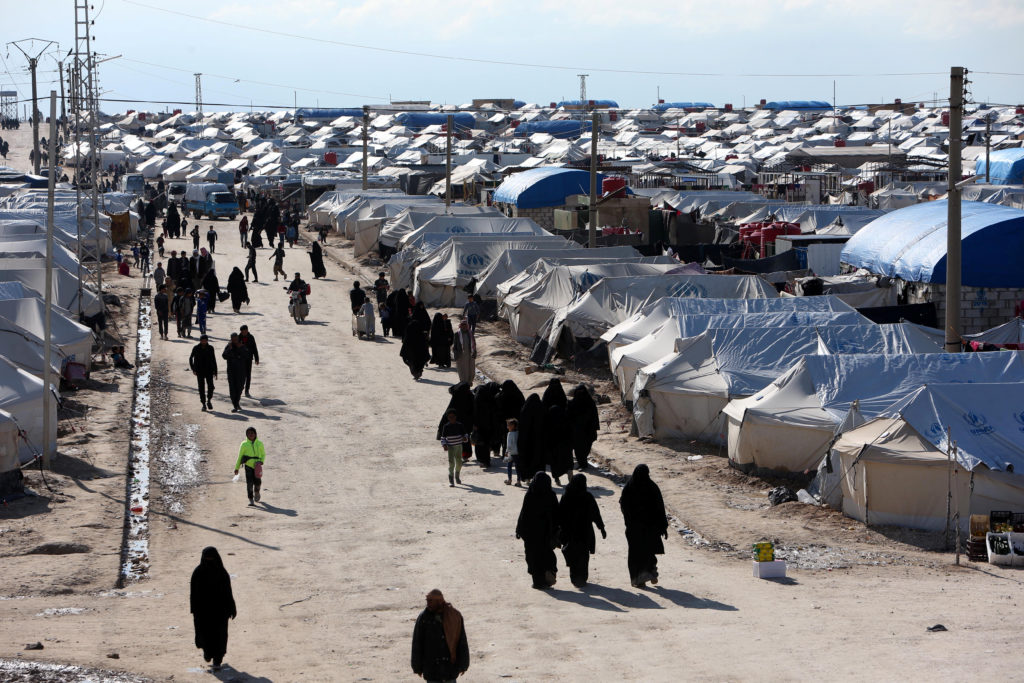
Transition of Authority in Northern Regions
Government administrators have replaced Kurdish-run councils in several towns, assuming control of municipal services, taxation, and civil registries. Syrian flags have returned to public buildings, and national identification protocols are being reinstated.
Residents report that while essential services continue, the Syria security crackdown has introduced stricter oversight of public gatherings, travel permits, and communications infrastructure.
Detention Facility Incident Raises Alarm
Security officials confirmed that an assault was reported near a detention site holding suspected members of Islamic State. The attack was repelled, but its timing during the Syria security crackdown heightened concerns over coordinated attempts to destabilize the transition.
Detention centers housing IS suspects remain among the most sensitive targets in the country, given past attempts to free experienced militants.
Why Detention Sites Remain High-Risk
Thousands of detainees remain in custody across Syria, many held since the territorial defeat of IS. These facilities require continuous guarding, layered intelligence, and rapid response capabilities.
As part of the Syria security crackdown, authorities reinforced detention compounds with surveillance drones, additional perimeter forces, and emergency lockdown protocols. Security planners say these measures aim to prevent a repeat of past prison-break attempts.
Daily Life Under Heightened Security





Leave a Reply