


Potential Papal Successors Emerge Amid Jockeying and Uncertainty
As the Catholic Church begins its search for the next pope, a few names have started to circulate — albeit with the understanding that such speculation should be taken with a grain of salt the size of a communion wafer.
One leading contender is Cardinal Mario Grech of Malta, who played a central role in overseeing recent synods. These meetings were designed to give greater voice to laypeople, women, and churches on the periphery of Catholic power in key decision-making processes — a reflection of the current push for broader representation in Church governance.
Another prominent figure gaining attention is Cardinal Robert Prevost, a U.S.-born clergyman who has experience serving in both Latin America and Vatican leadership circles. Seen as a potential unifier between competing factions within the Church, Prevost recently called for increased involvement by local bishops’ conferences in the selection of bishops — a significant shift from the current practice, where the pope makes the decision. Such transparency has been a core demand of reform advocates, particularly those focused on addressing clerical abuse.
These figures are emerging at a time when earlier frontrunners are losing momentum. Among them is Cardinal Pietro Parolin, the Vatican’s Secretary of State and a seasoned diplomat. Once seen as a leading candidate to bridge the reformist and traditionalist wings of the Church, Parolin’s prospects may have dimmed due to resistance from progressives and what has been described as a coordinated smear campaign.
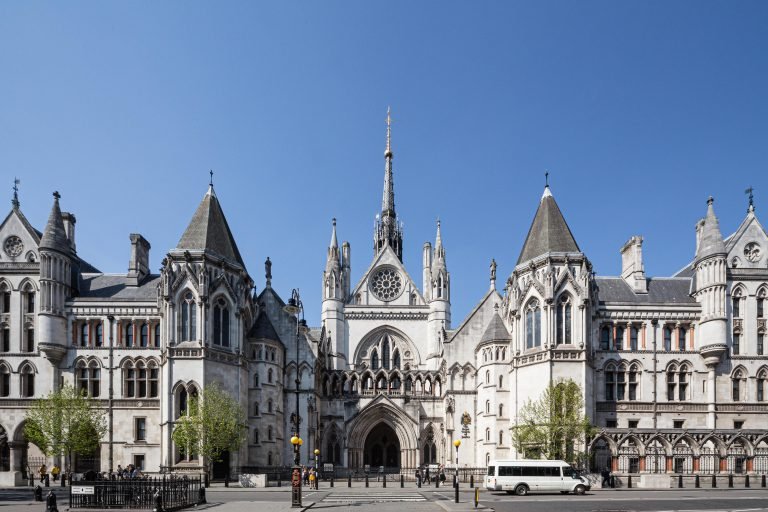
The period leading up to the conclave has been marked by both political maneuvering and colorful moments. Cardinal Giovanni Angelo Becciu, once a key Vatican official, withdrew from the papal election process due to his conviction in connection with a 2023 scandal involving the misuse of Vatican funds for a London real estate deal.
Not all stories have been scandalous — some were simply eccentric. According to one cardinal, a confused colleague consistently failed to find the correct seat during general assemblies, taking a different chair at each session.
As the first vote was held Wednesday evening, the only consensus reached was the lack of one. After a protracted three-hour wait, black smoke drifted into the Roman sky, indicating that no decision had yet been made.
For now, the faithful — along with the watching world — remain in suspense.




Leave a Reply