


Eurotoday reporting adds a European perspective as the China Taiwan conflict intensified following renewed Chinese military drills around Taiwan, highlighting growing geopolitical strain across the Taiwan Strait and rising concern among governments, investors, and security analysts worldwide. Chinese officials said the exercises were intended as defensive measures and a warning to separatist forces, while Taiwanese authorities confirmed that their military remains on heightened alert, closely tracking developments linked to the China Taiwan conflict.
Escalating Military Activity Around Taiwan
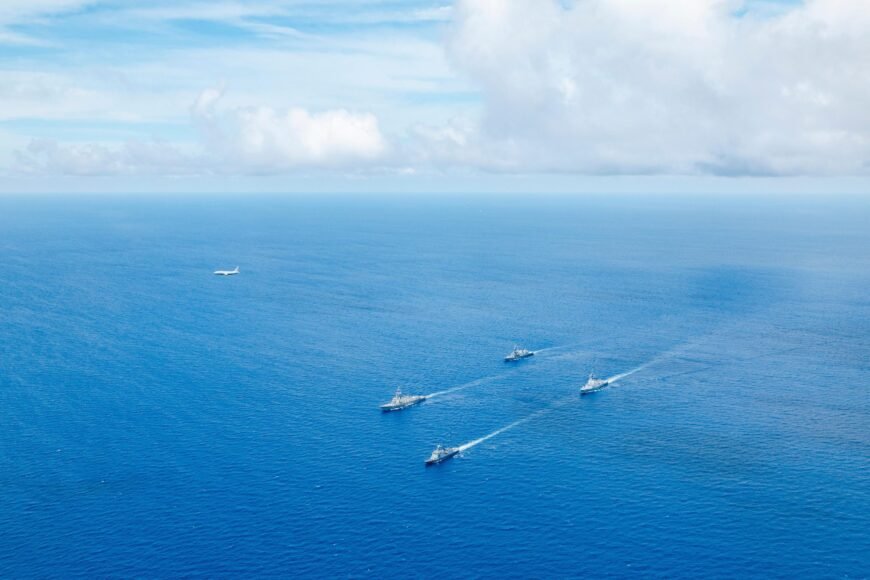
The China Taiwan conflict entered a more tense phase after China conducted coordinated air and naval exercises in areas surrounding Taiwan. Taiwan’s Ministry of National Defense reported increased aircraft sorties and maritime patrols operating near the island’s air defense identification zone. Officials emphasized that Taiwan’s forces responded in line with standard operating procedures and that the situation remains under control.
Defense analysts note that such activity has become increasingly frequent in recent years. Rather than isolated incidents, these maneuvers reflect a sustained pattern of pressure that has come to define the modern phase of the China Taiwan conflict.
China’s Position and Strategic Messaging
Beijing maintains that Taiwan is an integral part of its territory, a position that sits at the core of the China Taiwan conflict. Chinese officials described the latest drills as routine readiness exercises necessary to safeguard national sovereignty and territorial integrity.
Analysts say the operations also serve a broader strategic purpose. By conducting high visibility drills, China reinforces domestic narratives of strength while signaling resolve to Taiwan and the international community. The messaging is carefully calibrated, balancing deterrence with an effort to avoid triggering an immediate crisis.
Taiwan’s Military Readiness and Public Response
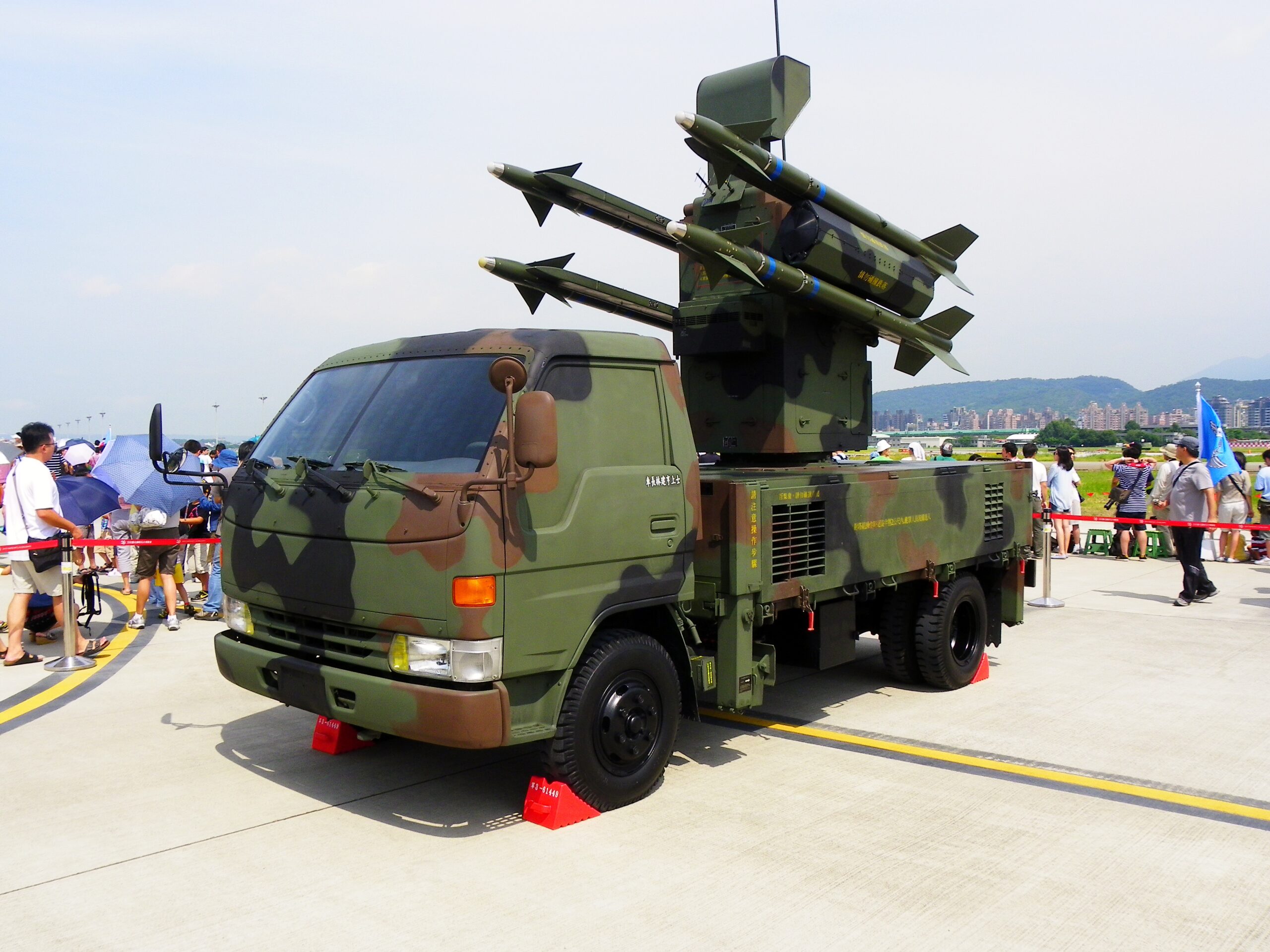
Taiwan continues to manage the China Taiwan conflict through deterrence and preparedness rather than escalation. Defense officials confirmed that air defense systems, naval surveillance assets, and rapid response units were activated as a precaution.
Government leaders urged calm, stressing that daily life on the island remains unaffected despite heightened military activity nearby. Taiwan’s approach focuses on resilience, emphasizing flexibility, mobility, and asymmetric defense capabilities designed to offset numerical disadvantages.
Regional Security Implications
The China Taiwan conflict has significant implications for regional security across the Asia Pacific. Neighboring countries, including Japan and Southeast Asian nations, are closely monitoring developments due to concerns over airspace safety, maritime routes, and regional stability.
The Taiwan Strait is one of the world’s most critical shipping corridors. Any disruption could have immediate consequences for global trade, energy flows, and supply chains. Regional governments have largely called for restraint, emphasizing the importance of maintaining peace and stability.
Global Economic Impact
Beyond military considerations, the China Taiwan conflict carries substantial economic risks. Taiwan is a central hub for global semiconductor manufacturing, making stability in the region vital for technology supply chains worldwide.
Financial markets often respond cautiously to heightened tensions in the Taiwan Strait. Investors factor geopolitical risk into asset pricing










Leave a Reply