Ceuta : ce n’est plus seulement une crise migratoire, c’est une crise de confiance au Maroc – Tribune d’Isaac Hammouch

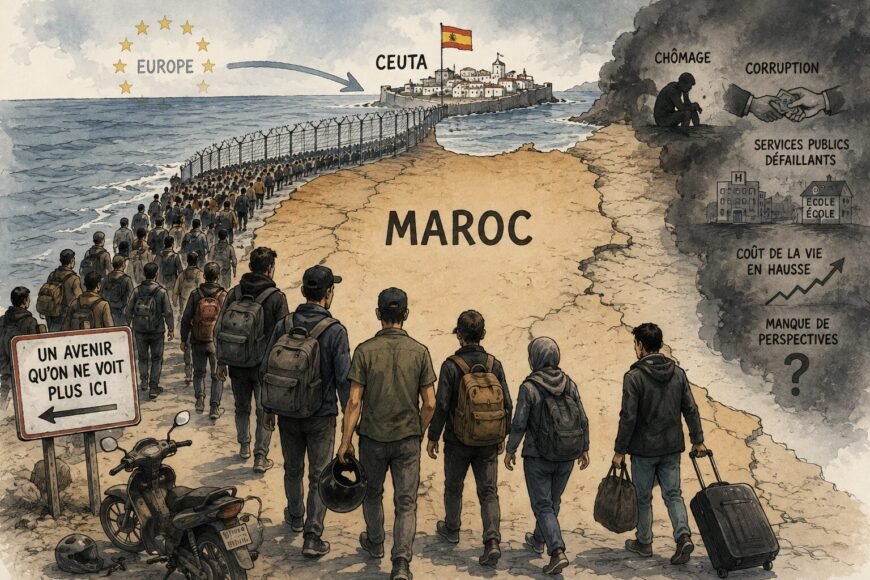
It will likely take time to fully understand the implications of what happened in Ceuta. While it’s possible to discuss a migration crisis, an overwhelmed border, social media rumors, the responsibility of traffickers, or a misunderstood Spanish judicial decision turned into a promise of entry into Europe, focusing solely on these explanations misses the core issue. By the end of July, over 72,000 people surged towards a Spanish enclave with about 80,000 residents. Most have returned to Morocco, but several thousand remain in Ceuta. On August 16, some protested with signs saying they didn’t want to return to Morocco. What happened in the north of the Kingdom can no longer be treated as a mere migratory incident. Society should question when such a substantial number of people grasp the hope, even if illusory and dangerous, of leaving. There is an even greater need for reflection when those leaving are not only the poorest, unemployed, or marginalized, but also employees, graduates, and individuals who still had a life to abandon in Morocco.

This is where Ceuta’s most unsettling novelty lies. Morocco has long been familiar with economic emigration. Generations of Moroccans left to seek salaries elsewhere that they couldn’t find at home. However, testimonies gathered in recent weeks reveal something different: it’s no longer just the absolute lack of resources driving departure, but the lack of prospects. Reuters met Moroccans with higher qualifications in Ceuta. A 39-year-old automation specialist from Fès explained that with the salary levels he faced, it was impossible to buy a home or start a family. He wasn’t describing famine; he was describing the impossibility of building a life. This distinction is fundamental. When a country loses its poorest, it faces a social tragedy. When it begins to lose those who work, those who have studied, and those who could theoretically belong to its middle class, it faces a much deeper problem: the gradual disappearance of the belief that a personal future is still possible within the country.

It’s incorrect to claim that all Moroccans want to leave. Social media is neither a census nor a poll, and the accumulation of angry videos can create a distorted perception of public opinion. However, it would also be wrong to dismiss thousands of testimonies, images, departure stories, and now this unprecedented physical event as insignificant. A rumor can explain when a crowd begins to move; it cannot alone explain why such a crowd exists. It can announce that “the door is open”; it does not create the desire for tens of thousands to pass through it. Ceuta did not invent Moroccan malaise; it made it visible. Social media did not create despair; they have merely given it a speed of spread and a mobilization capacity that authorities can no longer ignore.

Labor market data helps explain part of this frustration. According to the High Commission for Planning, unemployment reached 13% in 2025 and 37.2% among 15-24-year-olds using the then-methodology. The International Labour Organization and the HCP estimate that about one-third of Moroccans aged 15 to 29 are in the NEET category (not in employment, education, or training). Since 2026, HCP has significantly revised its methodology to adopt new international standards and notes itself that new data are not directly comparable to previous series. But the fundamental problem remains: participation of youth aged 15 to 24 in the labor market is particularly low, and access to sufficiently remunerative employment remains one of the primary fault lines in Moroccan society. These are not opposition slogans; they are the Kingdom’s statistics and those of international institutions.

Yet, Morocco is not a country that produces nothing. This is precisely what makes its situation paradoxical. Ports are developing, highways are expanding, the high-speed train has become a showcase, the automotive and aerospace industries are advancing, international investments are flowing in, major urban projects are multiplying, and the 2030 World Cup promises to accelerate this transformation further. The country discovered by investors is on the move; the one lived by many citizens seems much more stationary. The real Moroccan problem is not the absence of development. It is the growing difficulty in convincing the population that this development is also theirs. The visible prosperity of infrastructure even fuels frustration when it coexists with unemployment, low wages, difficulties in accessing housing, inadequacies in education and healthcare, and the belief that the social ladder functions more for some than others. The Financial Times has recently dedicated an analysis to Morocco’s “forgotten youth,” highlighting precisely the contrast between the Kingdom’s impressive investments and job creation that doesn’t enable enough young people to benefit from this transformation.

One must then mention a word that constantly resurfaces in Moroccan society and which official discourse often prefers to confine within strategies, commissions, and programs: corruption. It’s not about claiming, without evidence, that all officials are corrupt or turning social perception into judicial condemnation. It’s about acknowledging that the problem is profound enough to appear

Comments

2 responses to “Ceuta : ce n’est plus seulement une crise migratoire, c’est une crise de confiance au Maroc – Tribune d’Isaac Hammouch”

  1. Microwave Chardonnay Avatar
    Microwave Chardonnay

    Oh, fantastic! A crisis of confidence in Morocco, just what we needed to spice up the tourist brochures. 🧐 Maybe we should start charging admission to watch the spectacle unfold! 😏

  2. Armed Hawk Avatar
    Armed Hawk

    Looks like the Moroccan government is handing out diplomas for ‘How to Create a Migration Crisis 101’ while simultaneously inviting investors for a lovely tea party. 🍵 Bravo, truly a masterclass in irony!

  3. Toolmaker Avatar
    Toolmaker

    Seems like Ceuta has turned into the latest must-visit attraction for anyone with a pulse and a passport! Who needs a vacation in Ibiza when you can experience a crisis of confidence in Morocco instead? 🤷‍♂️🌍

Leave a Reply

Your email address will not be published. Required fields are marked *

Last News

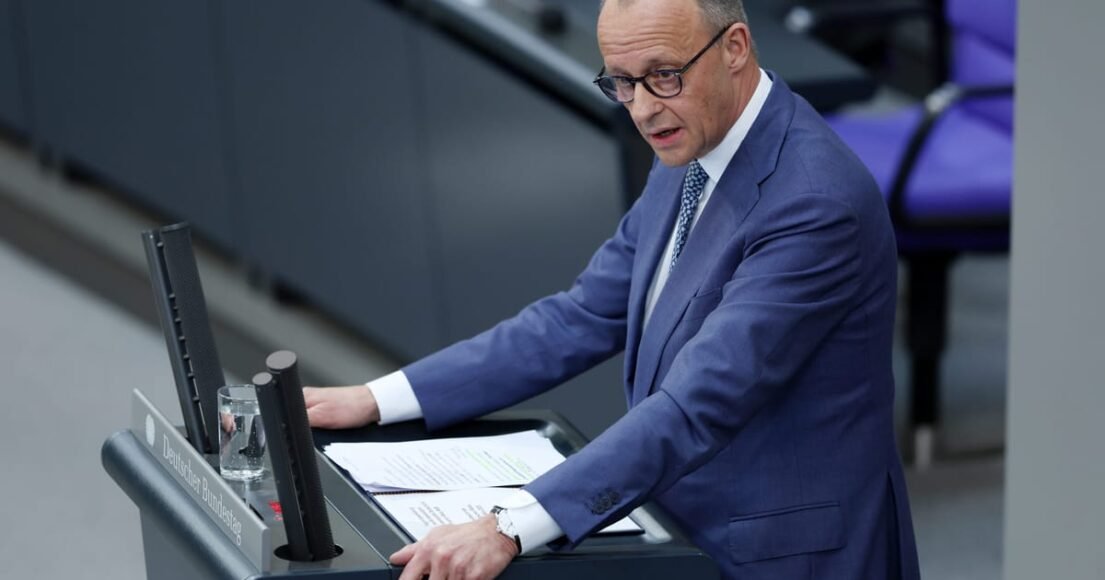
Germany reconsiders law shielding politicians from insults

Germany reconsiders law shielding politicians from insults

Moritz Oppelt, the CDU justice minister of Baden-Württemberg, argued that the law should protect local politicians who often face severe criticism.
“Top politicians must endure tough criticism,” he stated. “In our democracy, it is essential to freely discuss and harshly criticize political decisions at both federal and state levels. Insults in politics shouldn’t be normalized, but there are

Read More

Ceuta : ce n’est plus seulement une crise migratoire, c’est une crise de confiance au Maroc – Tribune d’Isaac Hammouch

Ceuta : ce n’est plus seulement une crise migratoire, c’est une crise de confiance au Maroc – Tribune d’Isaac Hammouch

It will likely take time to fully understand the implications of what happened in Ceuta. While it’s possible to discuss a migration crisis, an overwhelmed border, social media rumors, the responsibility of traffickers, or a misunderstood Spanish judicial decision turned into a promise of entry into Europe, focusing solely on these explanations misses the core issue. By the end of July, over

Read More

Fraud Arrest Disrupts European Athletics Championships in Birmingham

Fraud Arrest Disrupts European Athletics Championships in Birmingham

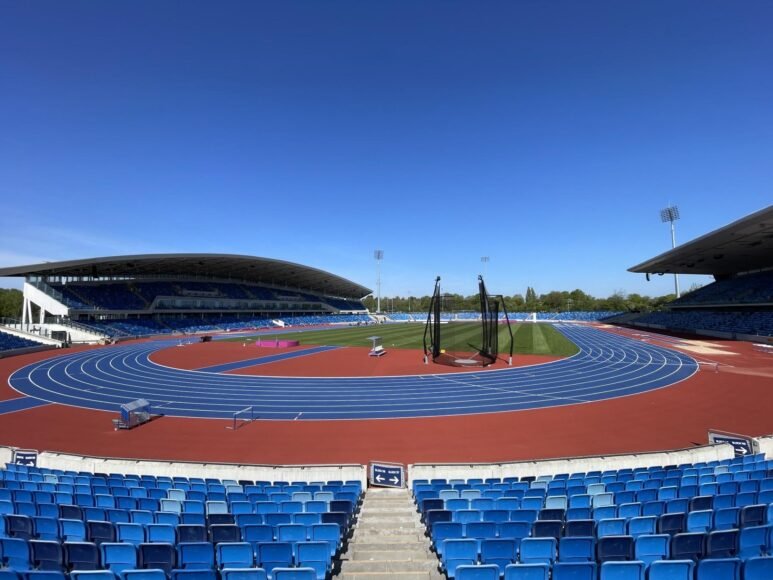
Birmingham, 16 August (Eurotoday) A man has been arrested on suspicion of fraud after a Birmingham stadium security operation disrupted the European Athletics Championships at Alexander Stadium, leaving athletes and spectators facing delays and forcing six medal ceremonies to be postponed.
West Midlands Police said concerns were raised at about 8.15pm on Saturday after a man in his 30s was found

Read More

Warum wir den Islamismus unterschätzen – mit Gülden Hennemann

Warum wir den Islamismus unterschätzen – mit Gülden Hennemann

Warum wir den Islamismus unterschätzen – mit Gülden Hennemann
Rixa Fürsen spricht mit Extremismus-Expertin Gülden Hennemann über die Frage, wie ein polizeibekannter Gefährder das islamistische Attentat in Berlin auf den CSD verüben konnte. Die Analyse beleuchtet mögliche Versäumnisse der Behörden und die Gründe, warum die Bedrohung durch Islamismus oft unterschätzt wird.

Read More

Arsenal Defeats Manchester City 3-0 to Claim Community Shield

Arsenal Defeats Manchester City 3-0 to Claim Community Shield

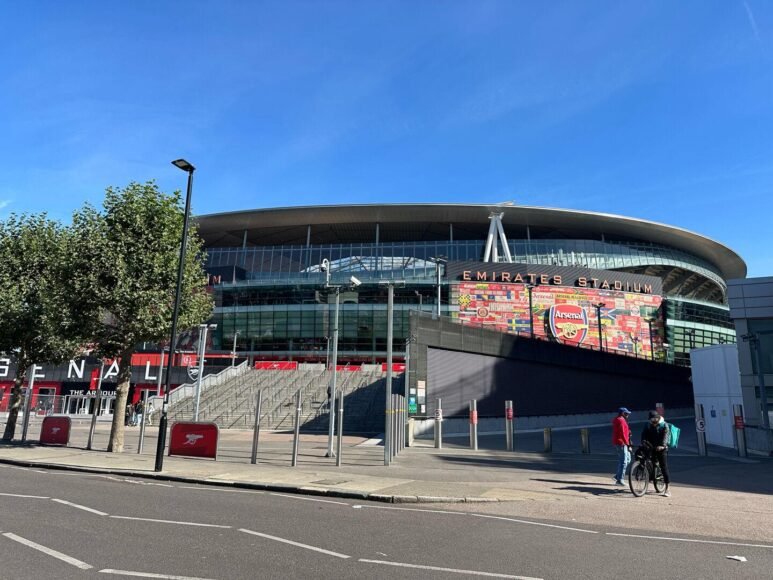
Cardiff, 16 August (Brussles Morning Newspaper) Arsenal have won the Community Shield after a commanding 3-0 victory over Manchester City at the Principality Stadium, giving Mikel Arteta’s side the first major domestic silverware of the new season. The Arsenal Community Shield success came through goals from Riccardo Calafiori, Kai Havertz and captain Martin Ødegaard.
Arsenal made an extraordina

Read More

Belgium Confronts Record Wildfire, Seeks European Air Support

Belgium Confronts Record Wildfire, Seeks European Air Support

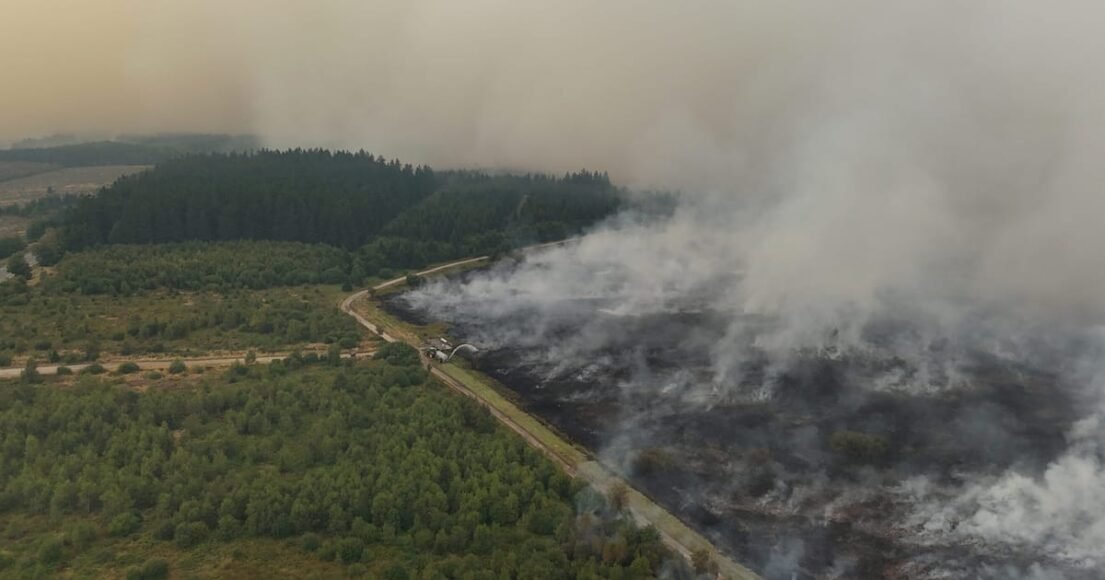
Belgian federal police helicopters and Dutch aircraft began operations Sunday morning, repeatedly collecting water from a nearby lake. Later, helicopters from the Czech Republic and Sweden were expected to join after Belgium activated the EU’s Civil Protection Mechanism. Germany and Norway may also provide aerial support, as stated by European Commissioner for preparedness and crisis management, H

Read More

Apostolović Sets Serbia’s Reform Deadline Before Brussels

Apostolović Sets Serbia’s Reform Deadline Before Brussels

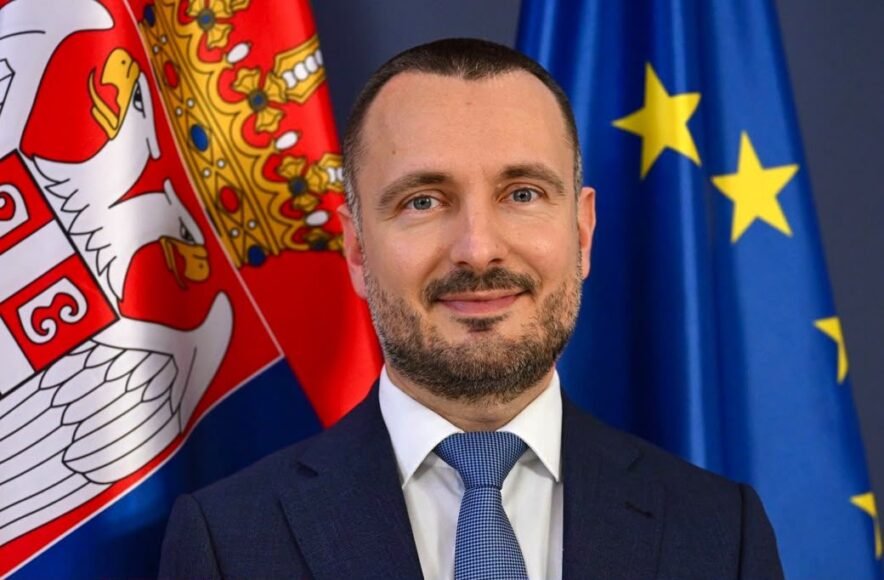
Belgrade’s EU envoy is pushing for end-of-August accession talks as scrutiny increases over judicial independence, corruption, and media freedom. Serbia’s ambassador to the EU, Danijel Apostolović, is tasked with convincing EU governments to advance accession talks while coordinating necessary domestic reforms. With institutions gearing up for an end-August submission to the European

Read More

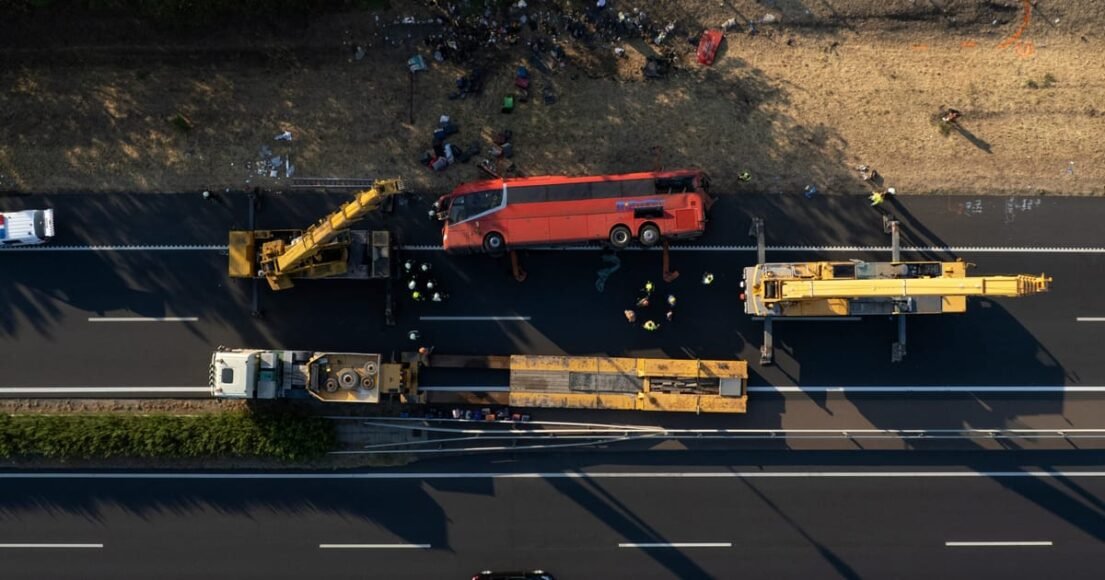
12 Dead as Polish Pilgrimage Bus Overturns in Hungary

12 Dead as Polish Pilgrimage Bus Overturns in Hungary

Hungarian Prime Minister Péter Magyar stated, “I spoke on the phone with the Polish Prime Minister Donald Tusk. I expressed my condolences to the Polish people for the terrible night bus accident,” on Facebook.
According to Hungarian news agency MTI, the bus had 57 passengers and two drivers. Emergency services tried to lift the rear axle of the 24-ton vehicle to rescue those trapped b

Read More

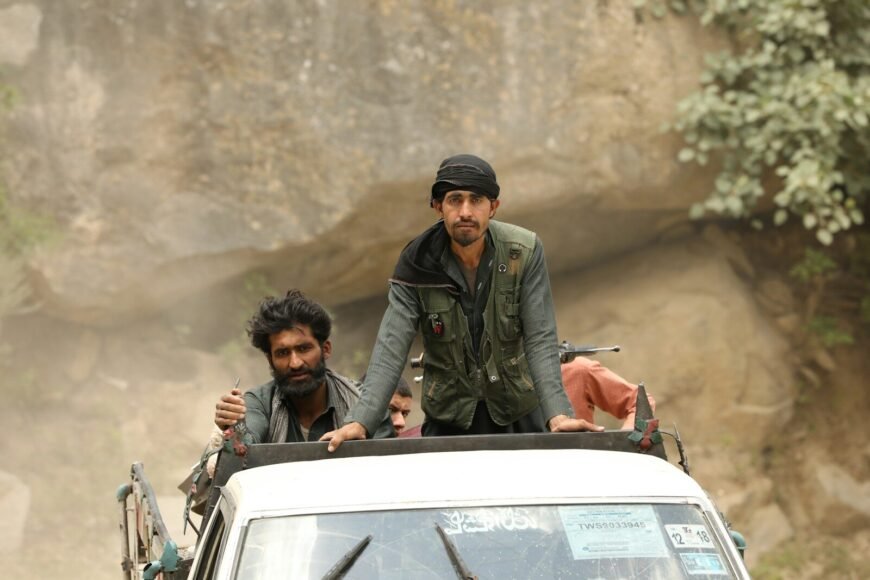
Europe Intensifies Engagement with Taliban

Europe Intensifies Engagement with Taliban

Five years since the Taliban’s return to power in Afghanistan, European governments are engaging with the country’s de facto authorities without formal recognition. This distinction is crucial legally and diplomatically. However, negotiations on deportations, consular services, and migration are creating relationships with consequences beyond mere administrative functions.
On 15 Augus

Read More

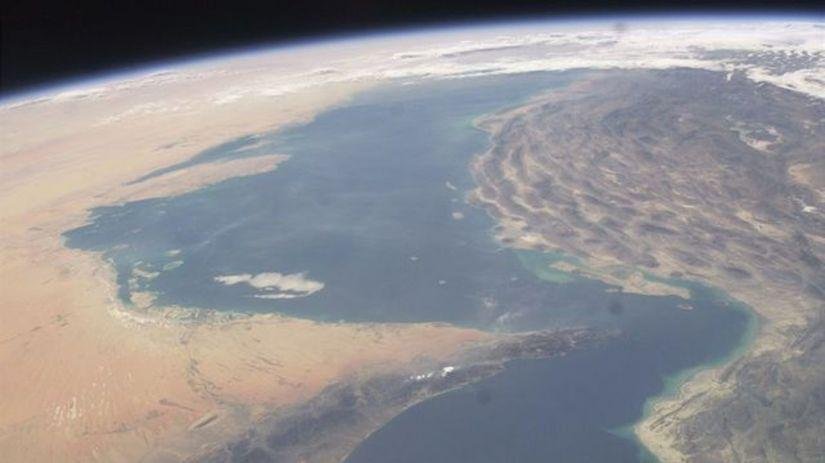
Iran Defies Trump Over Strait of Hormuz Amid US Gas Price Surge

Iran Defies Trump Over Strait of Hormuz Amid US Gas Price Surge

Cairo, 15 August (Brussles Morning Newspaper) Iran Hormuz tensions intensified after Tehran rejected Donald Trump’s claim that the United States controlled the strategic waterway, while the US president told Americans that paying more at the petrol pump was justified by his campaign against Iran’s nuclear programme.
The confrontation has placed fresh attention on the Strait of Hormuz, a narrow s

Read More