



Humanists International is set to release the newest edition of its worldwide benchmark on the treatment of humanists, atheists, and the non-religious during a hybrid event in the EU district.
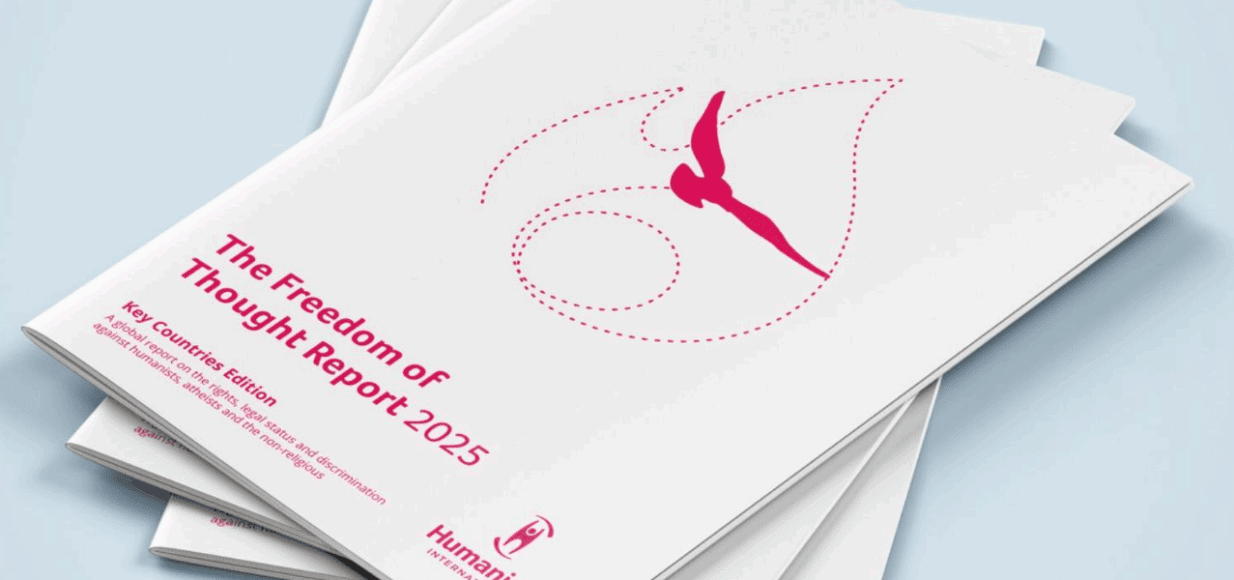
On Wednesday, 25 February 2026, Humanists International will hold the launch of its 2025 Freedom of Thought Report at Press Club Brussels Europe. The event will gather EU policymakers, human-rights officials, and civil-society leaders to discuss freedom of religion or belief (FoRB) and the civic space accessible to non-religious individuals globally.
When and where
- Date: Wednesday, 25 February 2026
- Time: 17:15–19:00 CET
- Venue (in-person): Press Club Brussels Europe, Rue Froissart 95, 1040 Brussels (limited seating; organisers note a 50-seat capacity)
- Format: Hybrid (online and in-person)
Both online and in-person registrations are open, with Humanists International describing the launch as a free event.
What the report does
The Freedom of Thought Report is introduced by its editors as a global survey of discrimination and persecution against humanists, atheists, and the non-religious, featuring an entry for each country and a dedicated rating system to evaluate conditions.
For EU audiences, the report’s focus intersects with broader debates on fundamental rights, civic space, and governmental handling of religion-or-belief issues in law, education, public life, and security policy—especially when minority perspectives are unpopular or politically inconvenient.
2025 edition spotlight: “Key Countries” amid rising authoritarianism
Organizers mention that this year’s Key Countries edition analyzes freedom of religion or belief “in a world of rising authoritarianism,” assessing both positive reforms and signs of democratic regression, religious nationalism, and increased constraints on civil society.
The countries highlighted are:
- Bangladesh
- El Salvador
- Georgia
- Kenya
- Lebanon
- Malaysia
- Malta
- Myanmar
- Sudan
- United States
Humanists International aims to document how legal frameworks and real-world practices impact the rights of those identifying as non-religious, alongside broader FoRB protections.
Speakers: EU institutions, UN expertise, and civil-society testimony
The confirmed line-up includes EU-level political voices, diplomatic and human-rights expertise, and firsthand advocacy experience:
Why this Brussels launch matters
Hosting the launch in Brussels embeds the report directly within the EU’s policymaking environment—where freedom of religion or belief is discussed not only as an external human-rights priority but also as a principle tested by polarization, disinformation, and pressure on independent civil society.
For further context on the EU-side governance debate around “freedom of thought” and institutional neutrality, see The European Times’ recent reporting on Article 17 dialogue and concerns raised by stakeholders.

Leave a Reply