


Syrians Weighing Return Home Must Not Be Pressured, Warns UNHCR
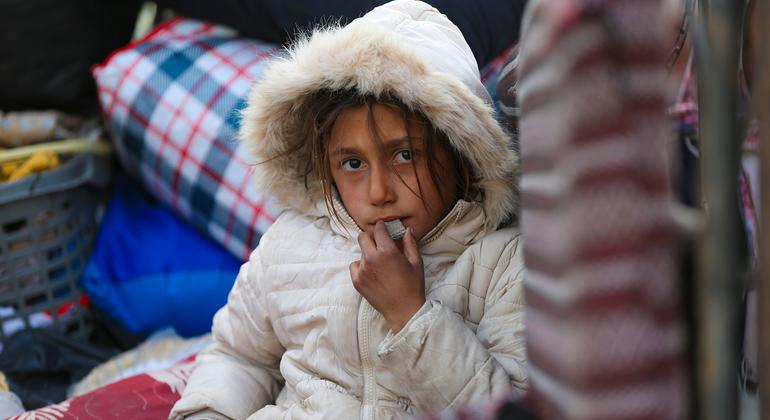
The United Nations Refugee Agency (UNHCR) has emphasized that displaced Syrians need the freedom to make an informed and voluntary decision about returning home, without external pressure. After fleeing their homeland’s brutal 13-year war, refugees are now considering the safety of Syria and the respect for their rights before making such a significant decision, said UNHCR spokesperson Shabia Mantoo.
Mantoo underscored that refugees have the fundamental right to return to their country of origin whenever they choose, provided their return is voluntary, dignified, and safe.
—
Asylum Protection
Since the Syrian conflict erupted in 2011, following the suppression of anti-government protests, the war has taken a staggering toll, leaving hundreds of thousands dead. According to UNHCR, seven million Syrians have been internally displaced, while over five million have sought refuge in neighboring and distant countries. This accounts for nearly half of Syria’s pre-war population of 23 million.
Regarding recent policy changes by some European countries to freeze decisions on Syrian asylum claims following the fall of President Bashar al-Assad, Ms. Mantoo reaffirmed that “any Syrian or anyone seeking international protection must have access to asylum procedures, with their claims thoroughly and individually assessed on merit.”
—
Challenges of Humanitarian Aid
The situation on the ground in Syria remains dire. Since November 28, over one million people, primarily women and children, have been displaced across regions such as Idlib, Aleppo, Hama, and Homs. The displacement followed an offensive by opposition forces, led by Hayat Tahrir Al-Sham (HTS), that captured key cities and localities, including Aleppo, Hama, Homs, and even reached the capital, Damascus.
The UN Office for the Coordination of Humanitarian Affairs (OCHA) reported that some displaced Syrians have started returning to their homes. Jens Laerke, an OCHA spokesperson, confirmed that humanitarian operations have resumed in affected areas, including Homs, Hama, and Damascus. “As of yesterday, all humanitarian organizations in Idlib and northern Aleppo have resumed operations,” he stated, adding that three border crossings from Türkiye used for UN assistance deliveries remain open.
—
Urgent Humanitarian Push
Najat Rochdi, Deputy Special Envoy for Syria, convened a Humanitarian Task Force meeting in Geneva, urging all parties in the conflict to prioritize the protection of civilians and adhere to international law. She called on influential Member States to ensure the safe passage of those fleeing violence, preserve essential infrastructure like schools and healthcare facilities, and ensure safe routes for civilians to escape or return.
Ms. Rochdi affirmed her commitment to engaging with Syrians and called on the international community to prevent further destabilization. However, she highlighted the urgent need for funding to address growing humanitarian needs, revealing that less than one-third of the $4.1 billion required for the 2024 response has been secured. Unimpeded access for humanitarian aid is critical, she stressed.
—
Hospitals Struggle Amid Overwhelming Demand
In the northwest, UN agencies and their partners are actively providing basic assistance for the newly displaced. Services include food distribution, healthcare, nutrition programs, and clean water access in Aleppo, according to Jens Laerke.
However, hospitals in the region are reportedly overwhelmed. Significant shortages of staff, medicine, and supplies have left major health facilities operating at limited capacity. Humanitarian partners continue their efforts by providing trauma care, maintaining blood banks, and delivering vaccinations, but the scale of the crisis remains far beyond current resources.
—
The return of displaced Syrians hinges on creating a secure and stable environment. The international community and humanitarian organizations must ensure that conditions for safe, voluntary, and dignified return are met while addressing the severe funding gaps and operational challenges on the ground.






Leave a Reply