


Alice Stollmeyer, an expert from the think tank Defend Democracy, has expressed concerns about Russian interference in the elections in Romania, Moldova, and Georgia, indicating that the EU is struggling to combat online disinformation effectively. In an interview with PAP, she emphasized that content moderation alone is insufficient and called for more comprehensive measures, including stricter sanctions for hybrid attacks.
Despite the European Union’s implementation of new strategies to address online disinformation, such as the Digital Services Act (DSA) and the Code of Practice on Disinformation, recent events during elections in Romania, Moldova, and Georgia suggest that the EU is losing ground in this arena. Ursula von der Leyen, President of the European Commission, has prioritized the European Democracy Shield, aimed at safeguarding democracy against foreign interference. However, recent election incidents raise questions about the Union’s effectiveness in countering online misinformation.
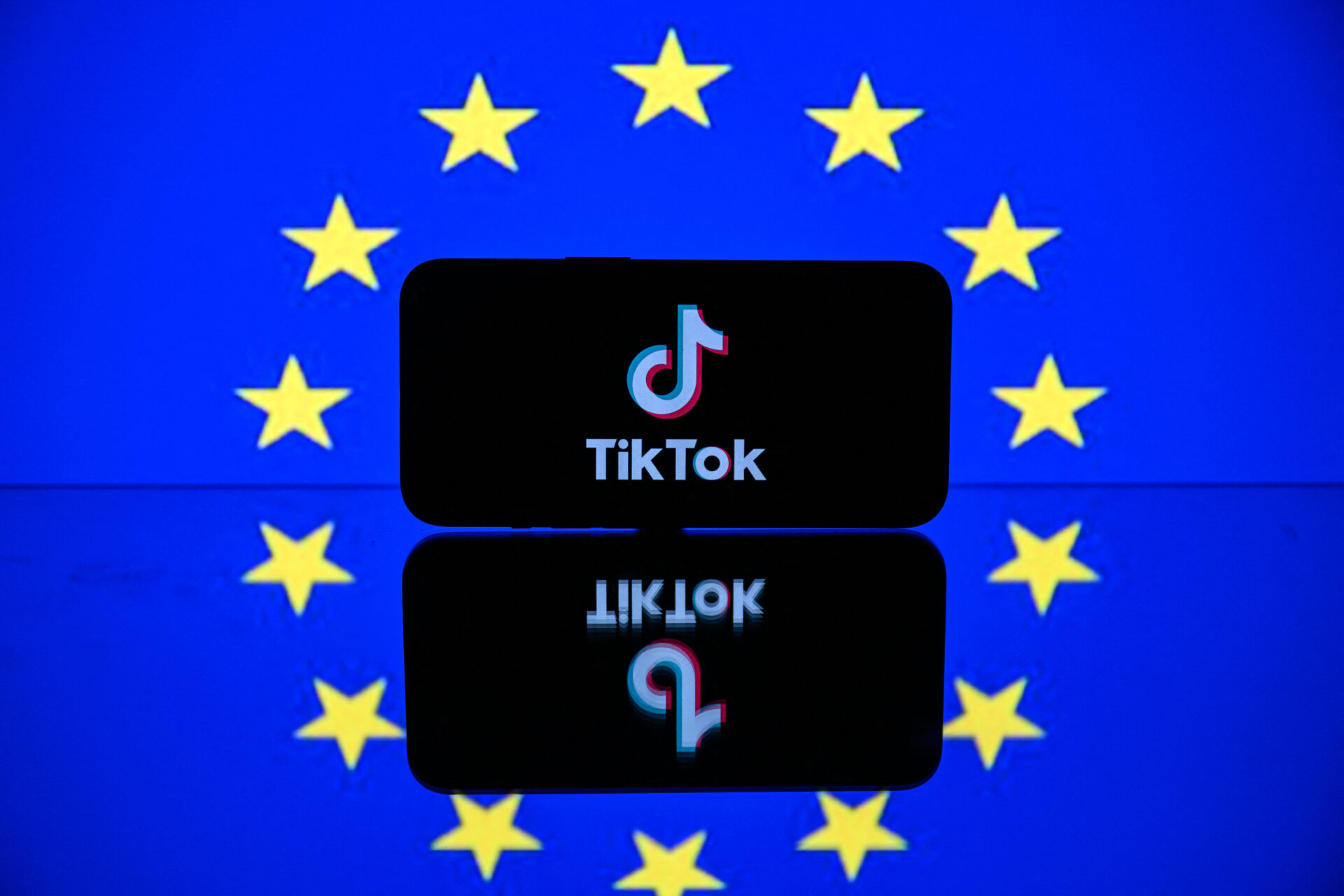
In Romania, allegations emerged that TikTok favored the pro-Russian radical right-wing presidential candidate Calin Georgescu during the campaign, leading to a surprising rise in his popularity, although the results were eventually annulled. In Moldova, Russia reportedly engaged in disinformation campaigns targeting President Maia Sandu during the presidential elections, while in Georgia, the pro-Russian party Georgian Dream triumphed in the October parliamentary elections amid allegations of interference.
Stollmeyer criticized the EU for its efforts in tackling disinformation, pointing out the lack of concrete data to demonstrate successes. She questioned whether the volumes of lies and disinformation had decreased or if the presence of fake accounts and manipulative campaigns had diminished. “We must address the root causes of disinformation rather than merely its manifestations,” she stated.
She further argued that the EU’s European Democracy Shield should not be limited to countering disinformation. To achieve meaningful results, the strategy should encompass a broader spectrum of foreign influences and hybrid threats. Stollmeyer warned that focusing solely on content moderation and fact-checking has proven insufficient after years of such efforts.
To enhance its defenses against disinformation, the EU should prioritize the establishment of a European digital infrastructure that serves the public good, adopt a comprehensive policy for hybrid threat defense, and link the European Democracy Shield to a new readiness strategy. “This will enable the Union to harness all necessary tools to protect democracy,” she asserted.
Stollmeyer highlighted the urgency of taking action, as disinformation campaigns are likely to escalate and increasingly utilize new technologies such as AI, chatbots, and virtual reality. “Our adversaries, particularly anti-democratic forces, are finding it easier to weaponize technology,” she cautioned. Defense officials and intelligence agencies are already warning of a rise in sabotage attempts throughout Europe and suggest that Russia may intensify its aggressive actions against NATO countries in the coming years. “If we want to secure the future of our democracies, we must act now,” she concluded.







Leave a Reply