



Brussels (Eurotoday) – The EU condemned the Taliban for blocking women’s access to medical education, highlighting ongoing human rights violations.
The European Union has denounced the Taliban for disregarding human rights and women’s access to education after media reports that the Taliban’s leader has called on private and public institutions to cease providing medical courses for women and girls in Afghanistan.
This action represents yet again another gross violation of fundamental human rights and an indefensible attack on women’s access to education in Afghanistan. In September 2021, a month after they returned to authority, the Taliban prevented schooling for girls after grade six. They excluded women from university in December 2022. Medical education, like nursing and midwifery, was one of the few ways they could persist their learning in classrooms.
How has the EU responded to the Taliban’s restrictions on women’s education?
As reported by European Union External Action, the EU blank” rel=”noopener”>said the Taliban’s latest reported decision represented another appalling violation of fundamental human rights and an unjustifiable attack on women’s access to education in Afghanistan. “The European Union expresses its strong concerns over this decision and its far-reaching implications, including the deepening of the humanitarian crisis in Afghanistan and the exacerbation of the suffering of its people. Women’s participation in education and the workforce is not just a matter of equality — it is essential for the self-sufficiency, development, and prosperity of any nation.”
European Union urged the Taliban to reverse this discriminatory approach and uphold their obligations under international law, including ensuring equal access to schooling and basic healthcare for all Afghans. The EU remains determined to defend women and girls, and all those whose rights are persistently disregarded in Afghanistan.
Comments
Last News
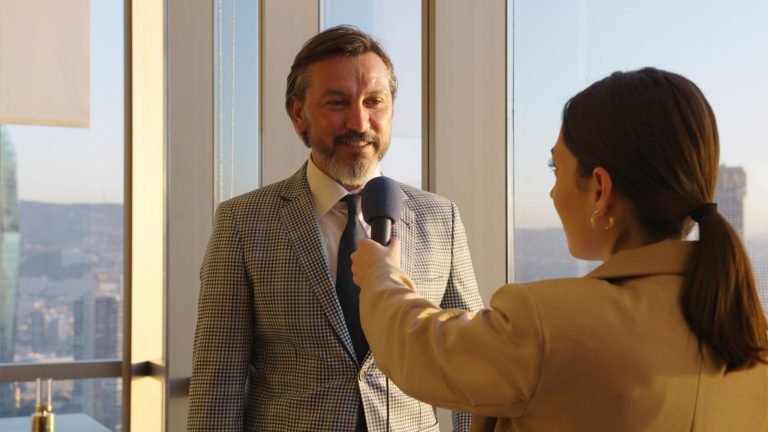
How Executive Thought Leadership Drives Brand Trust in 2026
London, June 26 – Eurotoday Newspaper — Brand trust building is emerging as a leading business strategy as more executives take public roles to strengthen their companies’ reputations. Corporate leaders are increasingly sharing expert insights through interviews, articles, conferences, and social platforms to improve transparency and establish credibility with customers, investors, and stakehold

Britain’s next leader must decide on North Sea drilling as Donald Trump watches.
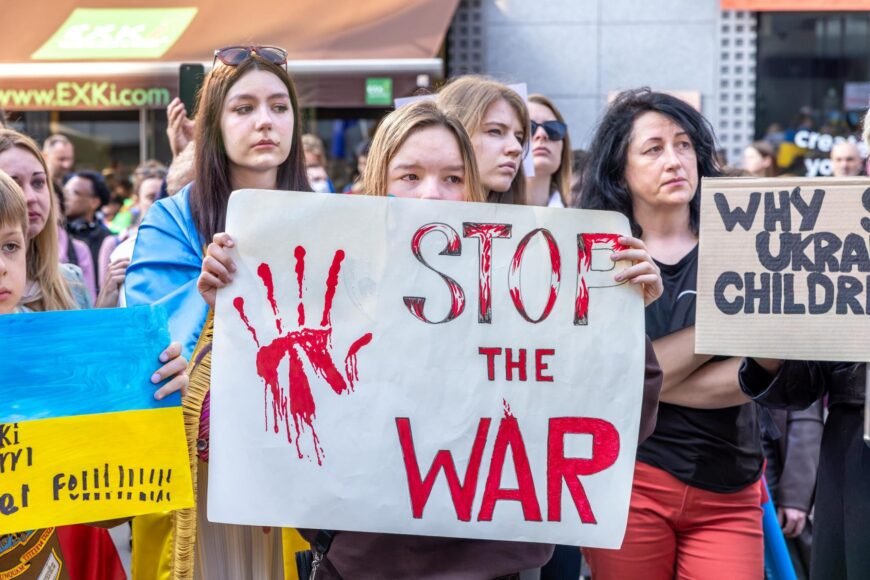
Council of Europe Commissioner Urges Ongoing Solidarity and Human Rights Protection for Displaced Ukrainians in Europe
These Observations build on the Commissioner’s earlier statement and highlight the diminishing support for displaced Ukrainians. This includes potent
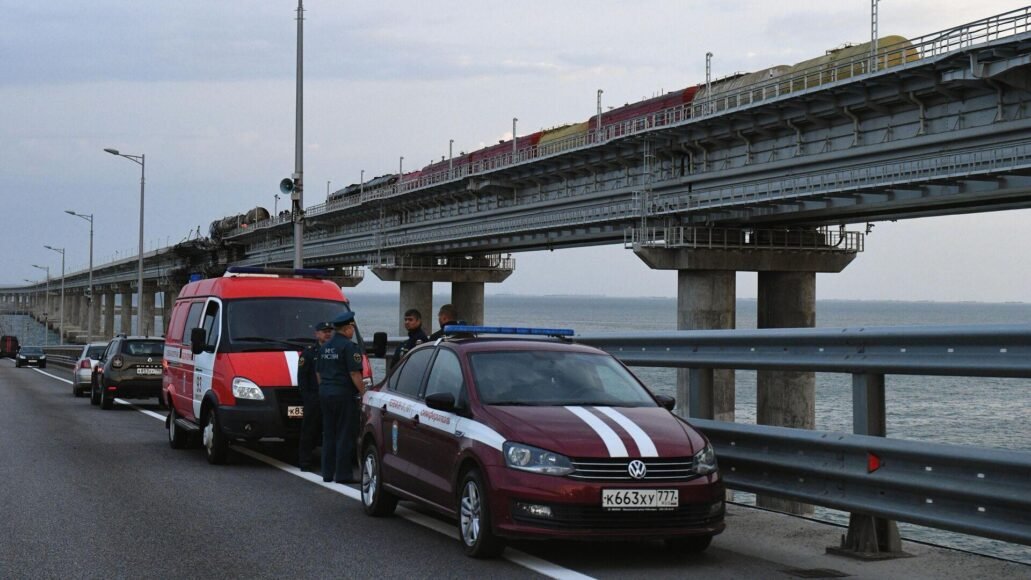
Russian-Appointed Authorities Declare Emergency in Crimea Following Infrastructure Disruptions
Crimea, June 26 – Eurotoday Newspaper — Crimea situation today remains a major focus after Russian-installed authorities declared an emergency following reported infrastructure disruptions across parts of the peninsula. Crimea, 2026 — Emergency response teams were deployed to assess affected areas, restore essential services, and coordinate repairs while officials continued evaluating the exten

Ukraine Protection Plan Transitions Beyond Emergency Mode
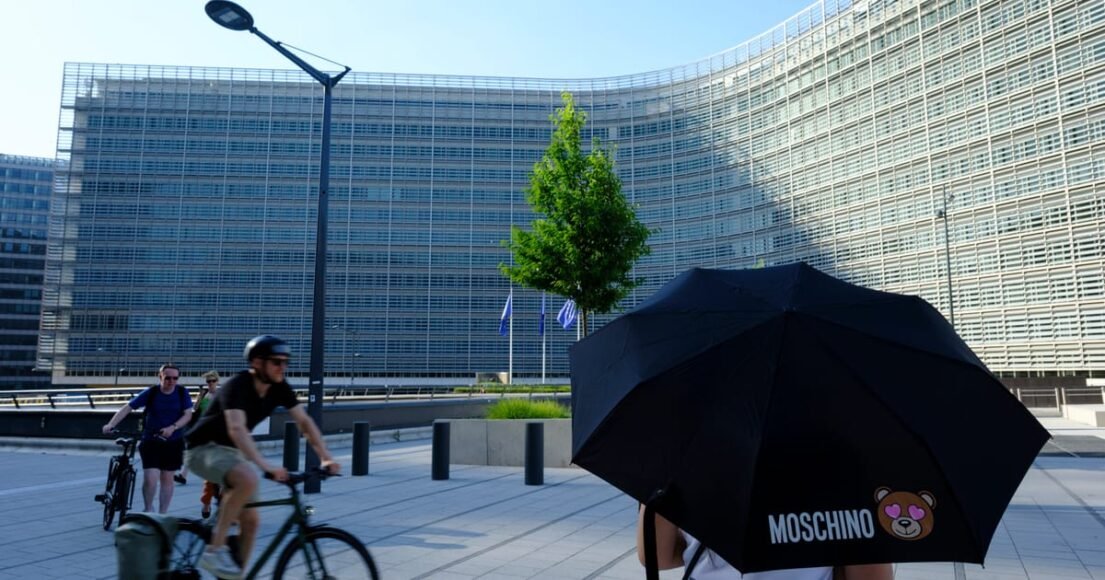
EU Commission HQ closes air-conditioning due to heatwave
The European Commission advised its staff earlier this week to avoid going outside during peak heat, stay hydrated, and start work earlier.
This advice upset some Commission staff, especially those in buildings without air-conditioning, like DG AGRI, as per internal communications viewed b
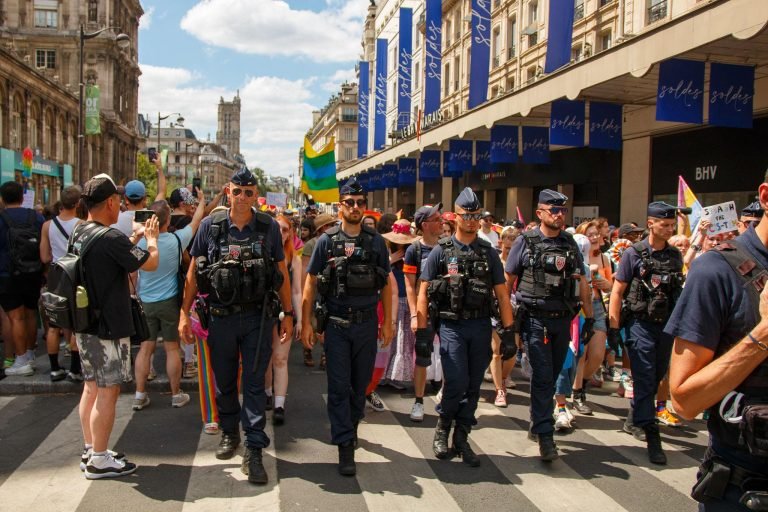
European Heatwave: Paris Police May Ban Pride March
Sarhan Basem is Eurotoday’s Senior Correspondent to the European Parliament. With a Bachelor’s degree in English Literature, Sarhan brings a unique blend of linguistic finesse and analytical prowess to his reporting. Specializing in foreign affairs, human rights, civil liberties, and security issues, he delves deep into the intricacies of global politics to provide insightful comment
Why Do Cats Rub Their Faces on Corners?
Tax Reform: Merz, Klingbeil, and the Billion-Euro Question
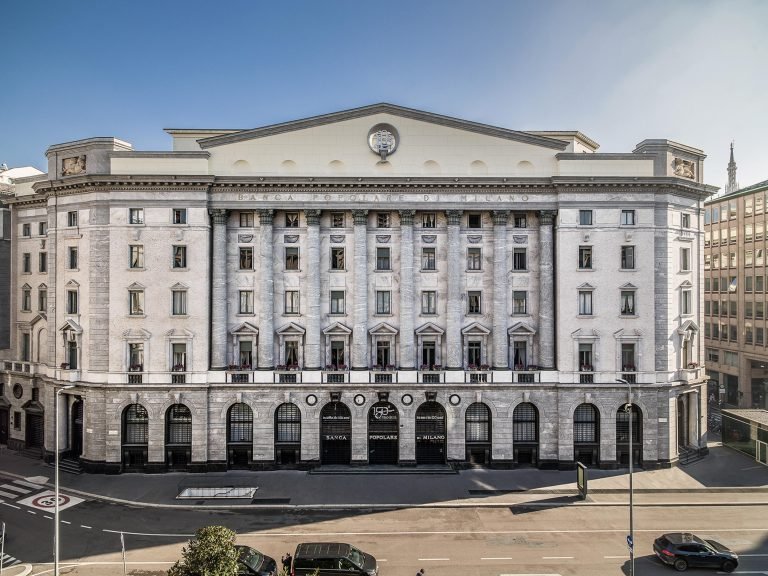
Credit Agricole Nears 30% Stake in Banco BPM Amid European Banking Regulations Focus
Sarhan Basem is Eurotoday’s Senior Correspondent to the European Parliament. With a Bachelor’s degree in English Literature, Sarhan brings a unique blend of linguistic finesse and analytical prowess to his reporting. Specializing in foreign affairs, human rights, civil liberties, and security issues, he delves deep into the intricacies of global politics to provide insightful comment
Leave a Reply