



In recent days, the unprecedented intensification of executions in Iran has become one of the most alarming indicators of the political and social crisis shaking the country. Between November 25 and 28, 2023, 27 people were executed, equating to one execution every three and a half hours.
A Strategy of Intimidation Through Increased Executions
Last week, the Iranian judiciary sentenced six political prisoners to death: Abolhassan Montazer, Pouya Ghobadi, Vahid Bani-Amirian, Babak Alipour, Ali-Akbar Daneshvarkar, and Mohammad Taghavi. Accused of crimes such as “membership in the People’s Mojahedin Organization of Iran” and “armed rebellion,” these individuals were targeted after months of interrogations and torture. These sentences are clearly intended to instill fear among the population and deter any political opposition.
In October, executions occurred at a rate of one every four hours. Today, this frequency has increased, reflecting less a judicial development than the regime’s desperate reaction to a critical situation aimed at preventing massive uprisings.
Economic Crisis: A Key Driver of Widespread Discontent
Iran’s deepening economic crisis is one of the main drivers of popular discontent and increasing protests. In his most recent speech, the regime’s new president, Massoud Pezeshkian, indirectly acknowledged the crisis, warning that its persistence could lead to widespread demonstrations. However, he refrained from identifying those responsible for this catastrophic situation, which has driven more than two-thirds of the population below the poverty line.
Even state-controlled media cannot hide the severity of the crisis. On November 25, 2023, the daily newspaper “Islamic Republic” ran the headline: “Fear the Revolution of the Hungry Army”, denouncing the situation: “Each day, the economic crisis worsens, the poor grow poorer, the rich grow richer, and society is increasingly engulfed by an arrogant and insensitive elite.”
In this context, the conditions are ripe for even larger and more organized protests. In response to this growing threat, Supreme Leader Ali Khamenei, in a speech to the Basij paramilitary forces on November 25, urged them to prepare to suppress “riots” and “rioters.”
One of the regime’s main strategies to stifle protests is to increase death sentences, particularly targeting members of the People’s Mojahedin Organization of Iran, PMOI, and other political opponents.
In a recent report, UN Special Rapporteur Javaid Rehman described two major waves of political massacres—in 1982 and 1988—as acts of “genocide.” During the 1988 massacre, 90% of the victims were members of the Mojahedin. According to Rehman, the Iranian regime executed its opponents solely because of their political, ethnic, or religious beliefs.
Since 2019, the Iranian government has intensified death sentences targeting PMOI sympathizers. Ahead of potential protests, the regime appears to be stepping up efforts to suppress political prisoners, aiming to thwart any movement of resistance. According to recent reports, over 3,600 family members and supporters of the Mojahedin have been arrested. Their identities have been submitted to the UN by the Iranian opposition in an effort to protect them.
International Reactions: Calls for Action and Condemnations
On November 20, 2023, the United Nations adopted its 71st resolution against the Iranian regime in response to severe and systematic human rights violations. Maryam
Comments
3 responses to “Surge in Executions and Escalating Crackdown on Political Opposition”
-
Just what we needed—a masterclass in how to win hearts through a little intimidation and a whole lot of executions. I mean, who doesn’t love a good death sentence to spice up the weekend, eh? 🤷♂️💼
-
Isn’t it charming how the Iranian regime has turned executions into a sort of twisted art form? 😏 One death every few hours? Must be a new “efficiency” standard for political management!
-
Oh, brilliant! Nothing says “stable governance” like a good old-fashioned wave of executions every few hours. It’s almost like they’re trying to win the ‘Most Creative Form of Distraction’ award—just remember to bring the popcorn! 🍿😏

Last News
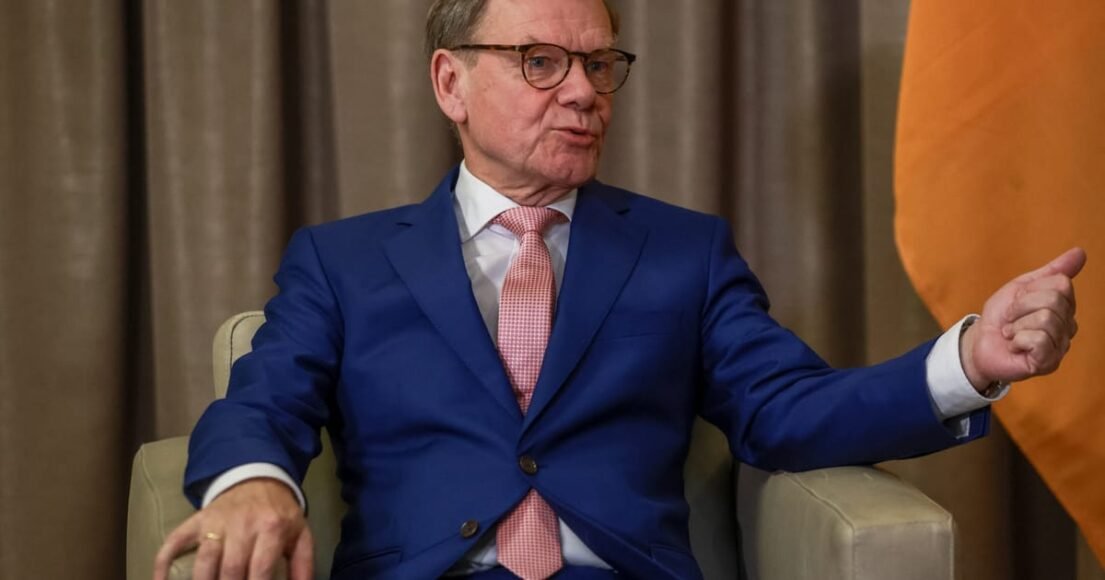
Germany rebukes Trump over South Africa’s G20 ban
During his speech, Wadephul highlighted his desire to build closer ties with South Africa, despite differences on significant geopolitical issues like Russia’s war in Ukraine, the Gaza conflict, and China. As a BRICS member, South Africa historically maintains close rel
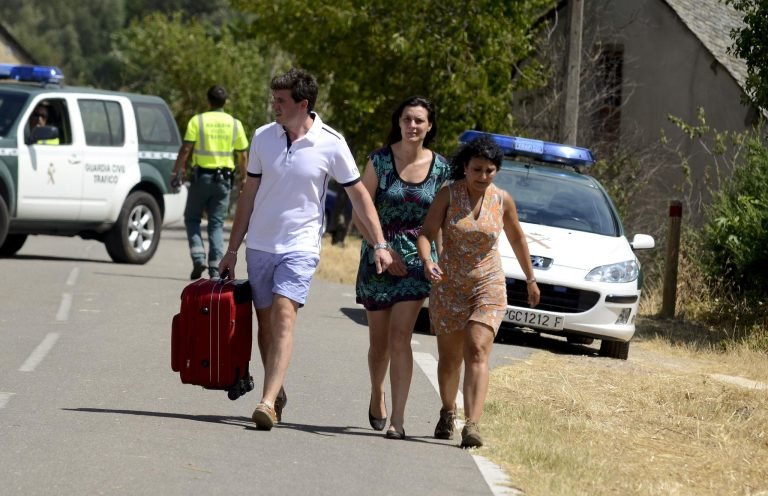
Spanish Wildfire Response Criticized for Exposing Warning Gaps
Madrid, July 22 Eurotoday — Wildfire emergency response has come under renewed scrutiny after a devastating wildfire in Spain revealed weaknesses in emergency warning systems and outdated evacuation plans. Residents in several affected communities reported receiving delayed alerts as flames spread rapidly through dry woodland, leaving many to rely on neighbours and personal judgement rather than
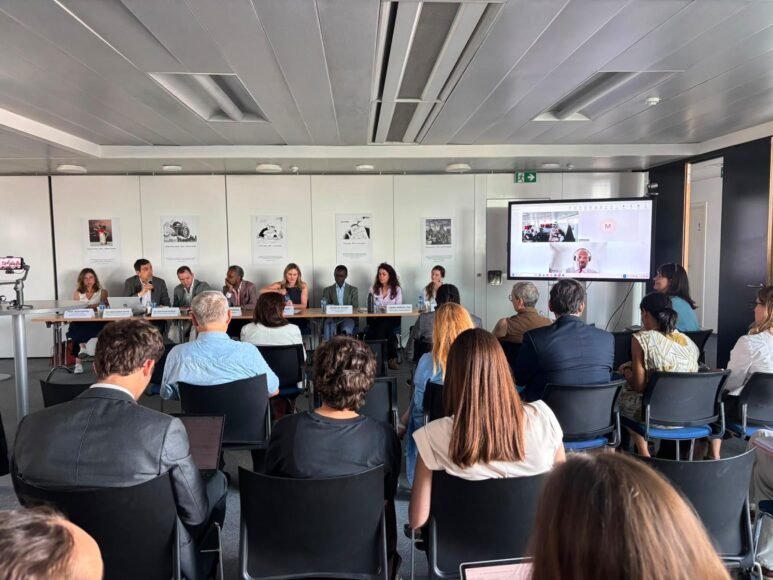
From El Fasher to Brussels: Victims and Experts Urge EU Sanctions on the War’s Business Model

Le parquet de Paris ouvre une enquête sur le site “libertin” Wyylde
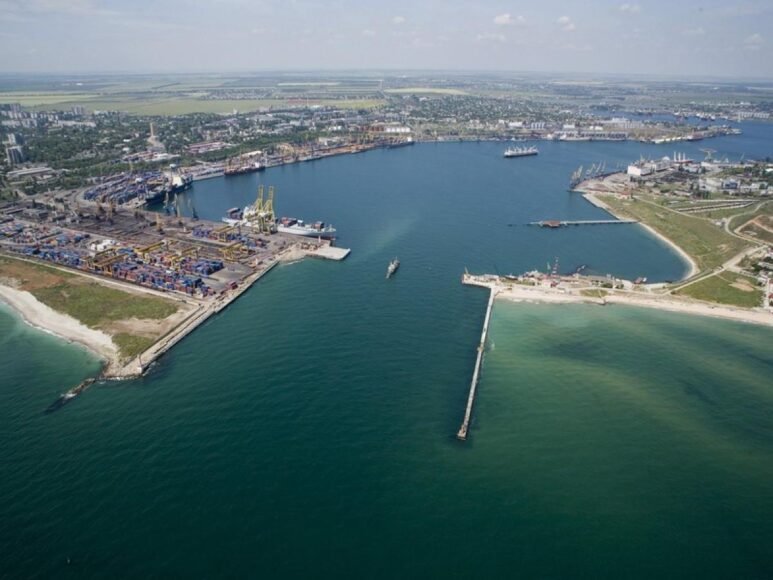
Maersk Halts Chornomorsk Fishing Port Service Following Russian Attacks in Global Shipping News
Kyiv, July 22 Eurotoday — Global shipping news remains focused on the Black Sea after Maersk suspended services through Ukraine’s Chornomorsk Fishing Port following intensified Russian attacks on port infrastructure. The move reflects growing security concerns for international shipping companies operating in the region and is expected to affect cargo movements until conditions improve.
Maersk S
Austria Converts Hitler’s Birthplace into Police Station
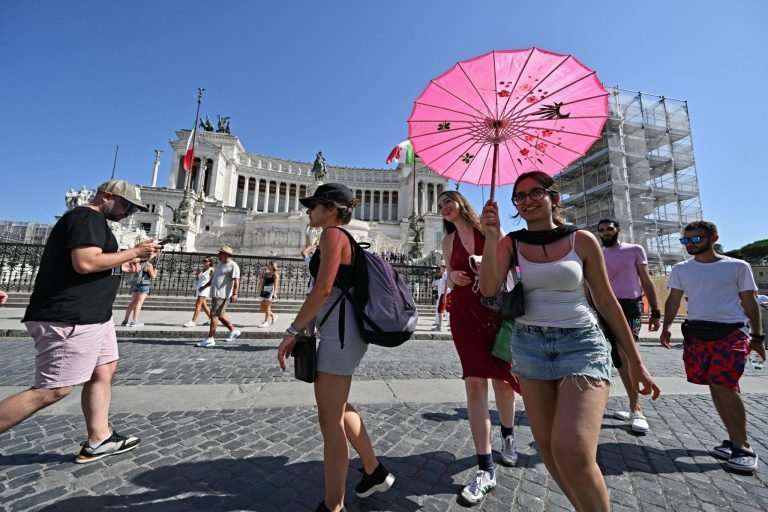
Concerns Over Extreme Heat in France as Rome Offers Free Cinemas to Escape Summer Temperatures
Rome, July 22 Eurotoday Newspaper — Rome free cinema screenings will be offered across the Italian capital as city officials introduce a new measure to help residents escape soaring summer temperatures. The initiative allows people to watch films free of charge in air-conditioned cinemas during the hottest parts of the day, providing relief while Europe continues to experience prolonged heatwave
Brussels Targets Google — Potentially Huge Costs Ahead
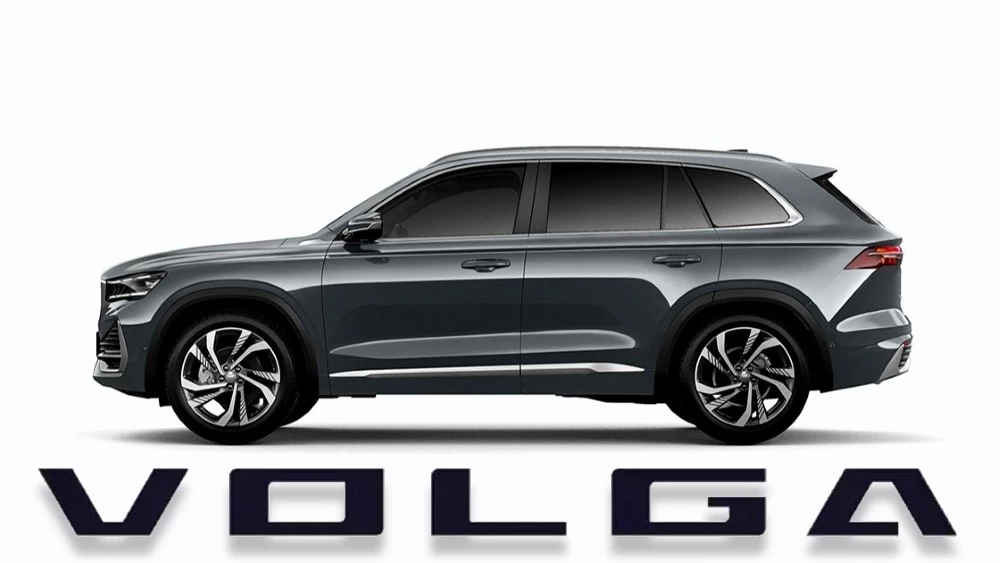
Number of Russians Who Purchased the New Volga
The flagship Volga K50 crossover is the top choice, with 55 units registered. It comes in three trims, priced from 4,344,900 rubles (around 48,300 euros) to 4,799,000
MCC Brussels at Three: A Contested Voice in Europe’s Political Debate
The Brussels-based institution is part of the wider Mathias Corvinus Collegium (MCC), a Hungarian educational and research organisation. Since its establishment in Brussels, it has sought
Leave a Reply