



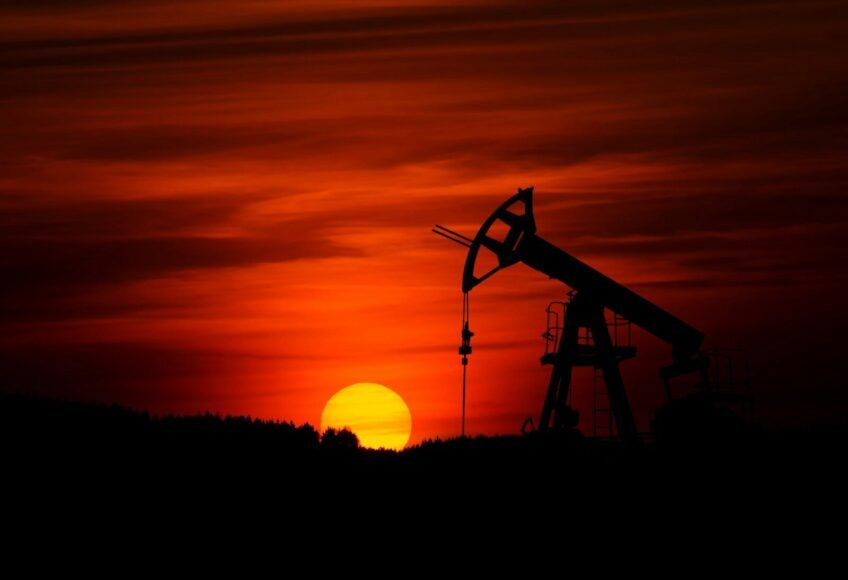
Germany, Spain, Portugal, Italy, Poland, and Austria are advocating for the EU to reconsider a crisis-era levy amid rising fuel prices, reigniting the debate over the costs of geopolitical disruptions. These countries are pushing for a unified EU mechanism to tax the extraordinary profits gained by oil companies during the current energy crisis. They have requested the Irish EU presidency to include this issue on the agenda for the finance ministers’ meeting in Dublin on September 18–19. This proposal revisits the question of whether governments should reclaim some of the unexpected profits companies make during crises that raise household energy costs.
A joint letter reported by Reuters shows the six governments calling for a discussion on an EU-wide framework for taxing windfall profits, rather than each member state handling it independently. This move follows energy market disruptions related to the conflict with Iran and the Strait of Hormuz restrictions, leading to a significant rise in oil and refined fuel prices.
The ministers point out that oil companies have gained from refining margins increasing more than crude prices, calling for a swift release of results from a European examination of these margins. They emphasize the severe supply shock and growing public concern over living costs.
While not yet formalized as a European Commission proposal, this request aims to bring the discussion onto the EU’s political agenda. During the 2022 energy crisis, the EU adopted measures including a temporary solidarity contribution from the oil sector. Profits exceeding 20% of the average since 2018 faced an additional levy, with a minimum rate of 33%.
The discussion is informed by the 2022 system’s experience, but the new proposal may examine multinational companies’ profits beyond national jurisdictions. An EU assessment estimated €26 billion collected under the previous solidarity mechanism, varying by member state.
Transport & Environment’s analysis estimates eight large oil companies made about €7.5 billion in excess profits in the first half of 2026. The figures demonstrate the argument for a permanent European windfall mechanism, despite criticism and the lack of official EU endorsement.
Oil and refining companies contest the logic of renewed windfall taxes, warning of negative impacts on investment and the EU regulatory predictability. FuelsEurope and IOGP Europe argue that such taxes could affect investment in energy security and transition, complicating policy decisions.
Germany’s political divide exemplifies the broader EU divide, with German Finance Minister Lars Klingbeil supporting the idea of taxing excessive crisis-based profits, while Chancellor Friedrich Merz opposes it.
The economics of windfall taxes are complex, as highlighted by the IMF’s 2026 euro area assessment, emphasizing the need for efficient revenue-raising without deterring investment or profit shifting.
The broader question remains: who should pay for crisis-induced energy shocks? There’s a call for temporary redistribution to protect those affected by higher costs, while industry representatives warn of the EU becoming more dependent on external suppliers under repeated extraordinary taxation.
September’s discussions will determine if the proposal gains momentum, amidst competing demands on European governments. The outcome may influence how the EU manages current and future energy crises.




Leave a Reply