


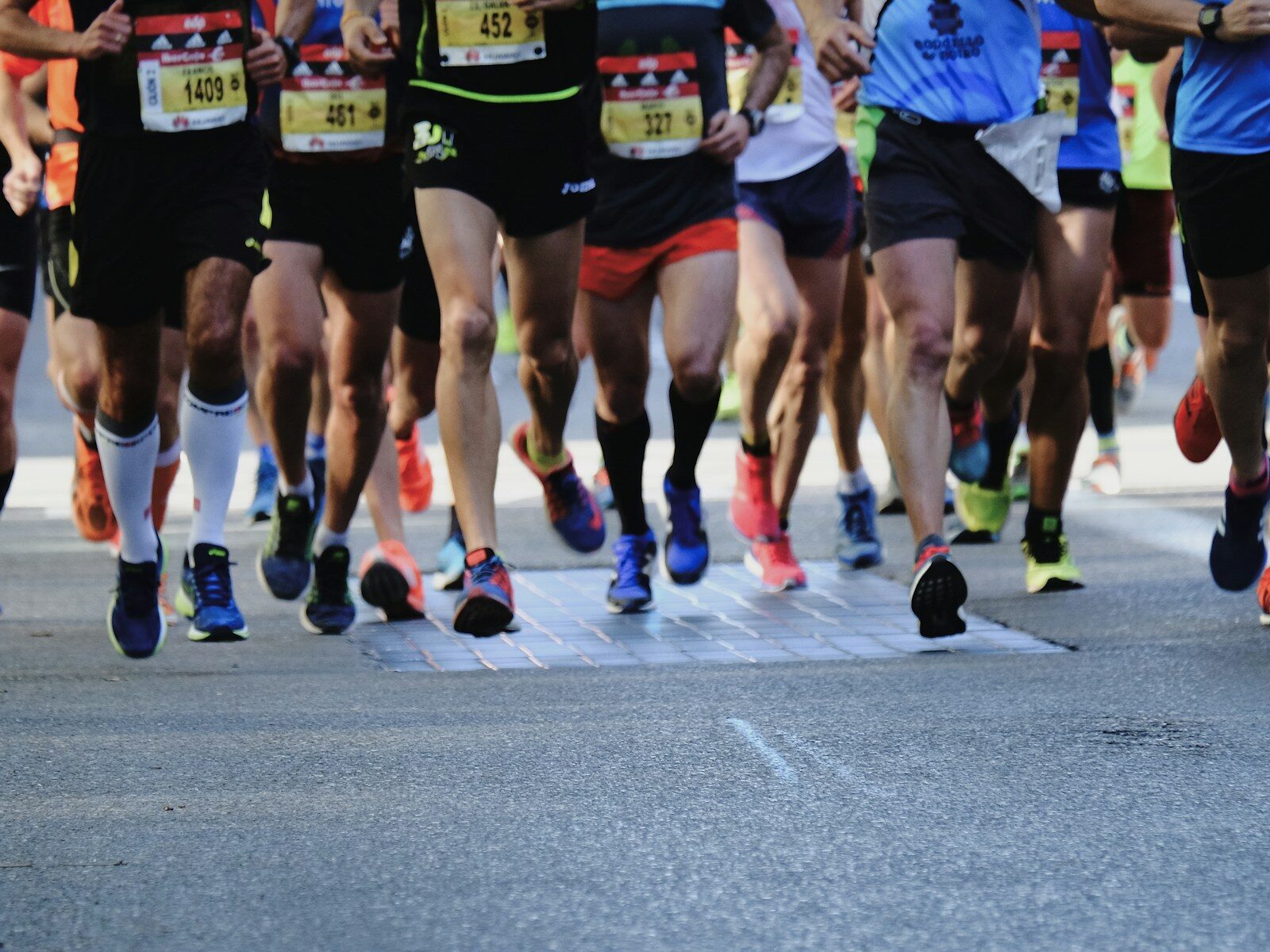
Marathons kick off Sunday while pole vault, distance events, and relays conclude Britain’s inaugural European Athletics Championships
Birmingham concludes the European Athletics Championships with a schedule transitioning from city-road races to evening stadium events. The women’s and men’s marathons start Sunday’s activities, followed by Mondo Duplantis, top European distance athletes, and national relay teams at Alexander Stadium.
By Daniel Mercer, Sports Correspondent, The European Times
A city-hosted championship
The women’s marathon begins at 07:30 BST, followed by the men’s at 08:10. These road events offer Birmingham a final chance to extend the championships from the ticketed stadium into public areas.
This is significant for the competition, being held in Great Britain for the first time in its 92-year history. Major championships are often assessed by TV audiences, medal counts, and attendance, but their public value also hinges on residents experiencing the event as part of the city, not just a closed production.
Birmingham City Council stated that the marathon and race-walking events were designed to allow spectators to access elite competition outside Alexander Stadium. The road-event plan scheduled the marathons on the final morning after Saturday’s half-marathon and marathon race walks.
For the athletes, early starts are practical and presentational. August distance races require careful management of heat, hydration, medical coverage, and road conditions. These safeguards are integral to the competition, not just administrative details, especially during a European summer often marked by extreme temperatures.
Duplantis takes the evening spotlight
The championship returns to Alexander Stadium in the evening for the women’s javelin and long jump, the men’s pole vault and 3,000-metre steeplechase, the women’s 1,500 metres, and three relay finals. The official closing-day timetable also features a mixed 4×100-metre relay, followed by the women’s and men’s 4×400-metre finals.
The spotlight will be on Sweden’s Duplantis. The world-record holder aims for his fourth consecutive European outdoor pole-vault title, eight years after his 6.05-metre breakthrough at the 2018 championships in Berlin.
His dominance might suggest predictability, but pole vault rarely allows complacency. Changing winds, precise approaches, and the tight margins in selecting poles and passing heights can turn a favorite into a vulnerable competitor. Birmingham’s unpredictable summer weather adds another challenge.
The final also offers Duplantis’s European rivals a significant platform. Even if gold seems out of reach, championship medals influence national programs, athlete funding, and the confidence to compete globally again. A contest doesn’t lose its competitive meaning just because one athlete has set new standards.
Relays shift individual achievement to team responsibility
The relay program will provide a different closing dynamic. Athletes who have competed individually must now rely on teamwork, trusting teammates and adapting to decisions about running order and recovery.
Relays also highlight the depth of national athletics systems. A country might produce one outstanding sprinter, but a successful relay needs multiple athletes, technical coaching, smooth baton exchanges, and enough competition to build team familiarity. The results thus reflect development structures as much as individual talent.
The mixed 4×100 metres adds another element. Mixed events can provide equal visibility for women and men, but their credibility relies on clear rules, serious preparation, and permanent inclusion rather than novelty value. Birmingham will help demonstrate if this discipline can secure a








Leave a Reply