


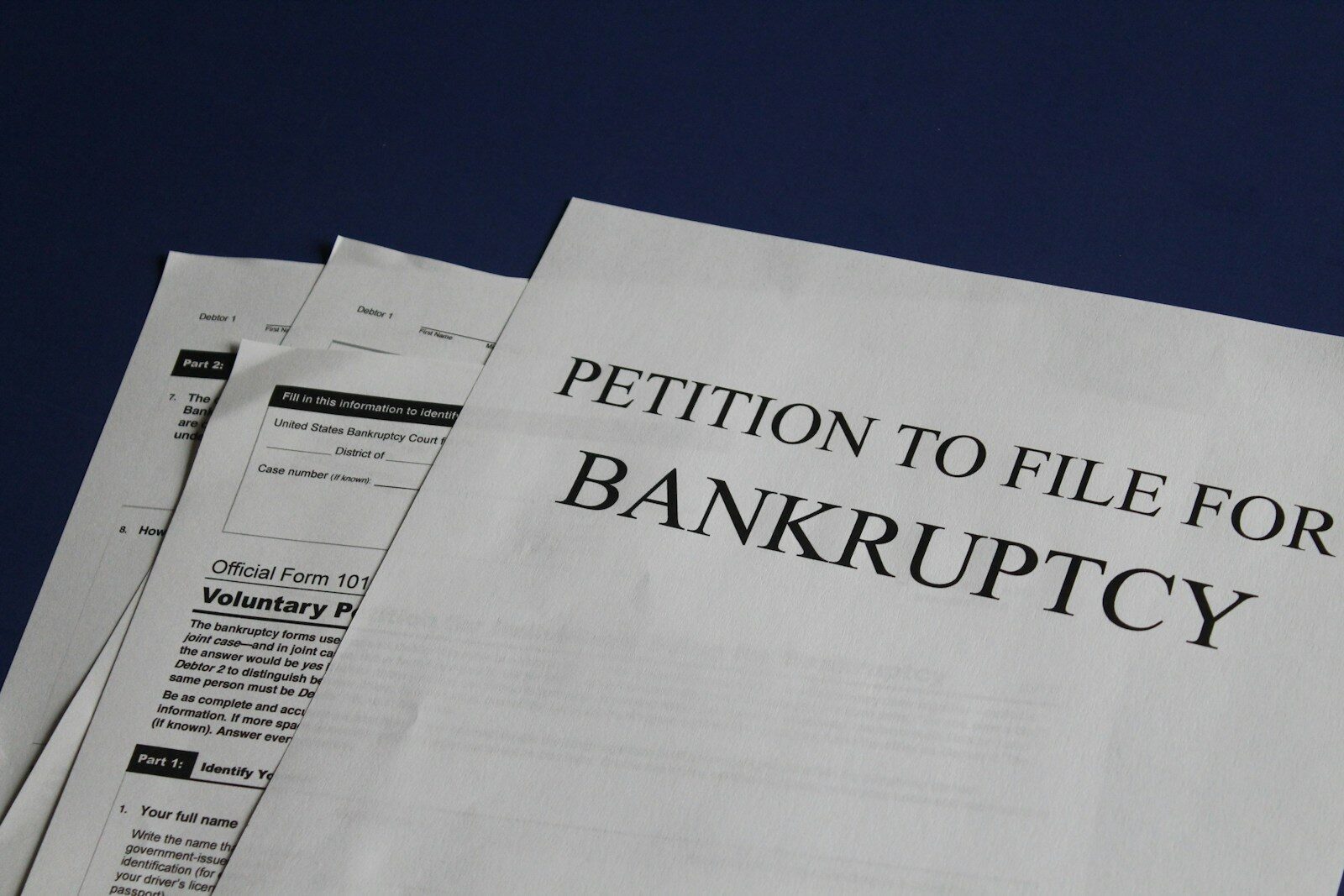
Business bankruptcy declarations surged in the European Union during the second quarter of 2026 as new legal entity registrations fell slightly. This suggests a challenging environment for several firms, though growth in information and communications registrations indicates varied pressure across sectors, countering a uniform economic decline.
Eurostat reported a 5.7% rise in seasonally adjusted bankruptcy declarations from the first quarter, alongside a 0.5% drop in business registrations. The contrasting signals of increased insolvencies and fewer registrations highlight growing challenges in finance, costs, and profitability, affecting some companies more than others.
Registrations decreased in five of eight sectors tracked by Eurostat, with industry, accommodation, and food services experiencing the largest falls. However, information and communications saw an 8.8% rise, and construction recorded a 1% increase with no change in financial services.
Conversely, bankruptcy declarations rose in five sectors, most notably education and social activities at 21.1%. Transport and financial services also saw increases, while accommodations, food services, construction, and trade experienced declines, signifying sector-specific challenges that go beyond a unified crisis.
Eurostat’s indicators require careful interpretation. A registration indicates a legal unit entering an official record, not necessarily indicating business operations, while bankruptcy marks the beginning of court procedures which might not mean immediate closure. National differences necessitate data harmonization for comparability but don’t directly translate to job losses or permanent business closures.
Aligned with other corporate strain signals, the ECB’s survey indicated tighter bank-loan interest rates and conditions amid a mix of improved turnover but declining profits. Smaller firms face greater difficulty due to limited cash, weaker supplier and landlord leverage, and fewer financing options, risking severe hardship with tighter collateral needs or refinancing deadlines.
Bankruptcy impacts extend beyond finances; it affects employees, suppliers, and community services. The significant rise in education and social activities bankruptcies merits closer examination given their links to essential services for vulnerable groups. Policy measures need to differentiate between non-viable businesses and those facing temporary challenges. Early restructuring, faster debt payments, and proportional financing access could avert unnecessary closures without propping up unsustainable businesses indefinitely.
Initiatives like the European Investment Bank-backed agreement in Spain, aiming to unlock €1.43 billion for small and mid-sized enterprises, seek to enhance financing options for women entrepreneurs and green ventures. While such programs can’t fix demand issues or ensure all businesses’ sustainability, they can help prevent failures due to inaccessible credit.
Overall, second-quarter figures don’t confirm a widespread insolvency crisis in Europe but reveal underlying pressures despite surface stability. Upcoming data releases will clarify whether this is a temporary or ongoing trend. Meanwhile, focusing on sector-specific analysis is more beneficial than broad resilience or collapse narratives.






Leave a Reply