


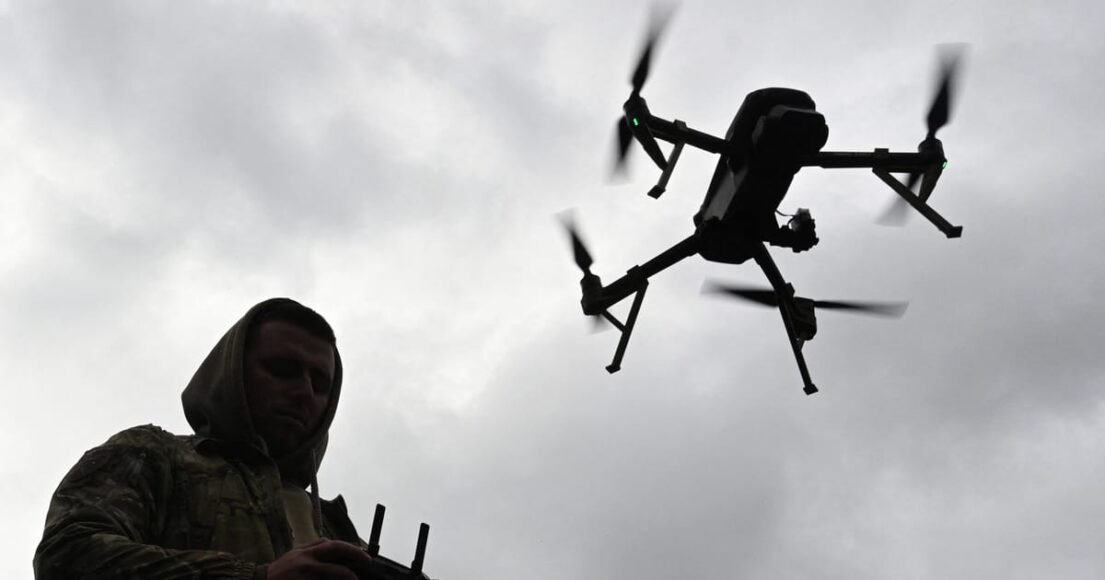
Russia deploys drones that occasionally infringe upon NATO airspace, with Russian forces often disrupting Ukrainian drones, resulting in their deviation into NATO regions. NATO members also possess drones and intend to expand their fleets. “Ukraine has significantly quickened our tech advancements,” stated Vice Admiral Ewa Skoog Haslum, Sweden’s chief of joint operations. “It has highlighted drones to the public. The Swedish armed forces, like those within NATO, routinely train with and against drones. However, urgent situations often catalyze rapid progress, as we’re observing now.”
Despite their potency, these drones aren’t miraculous solutions. Hans Granlund, a recently retired Swedish naval officer and former defense attaché in Ukraine, remarked, “Ukraine succeeded in pushing the Russian Black Sea Fleet from the western Black Sea, allowing for civilian maritime traffic. However, without their own fleet, Ukraine hasn’t gained control over the Black Sea.”
Drones often function like mosquitoes: small, disposable, swarm-capable, and capable of inflicting pain. Yet, the armed forces have broader responsibilities than just disabling adversaries. For instance, drones don’t negate the need for ships. In the Baltic Sea, NATO needs to do more than damage Russian vessels; they must also transport troops and supplies to Finland and the Baltic states. In land invasions, although drones can significantly injure the enemy, they aren’t sufficient alone for securing victory.








Leave a Reply