


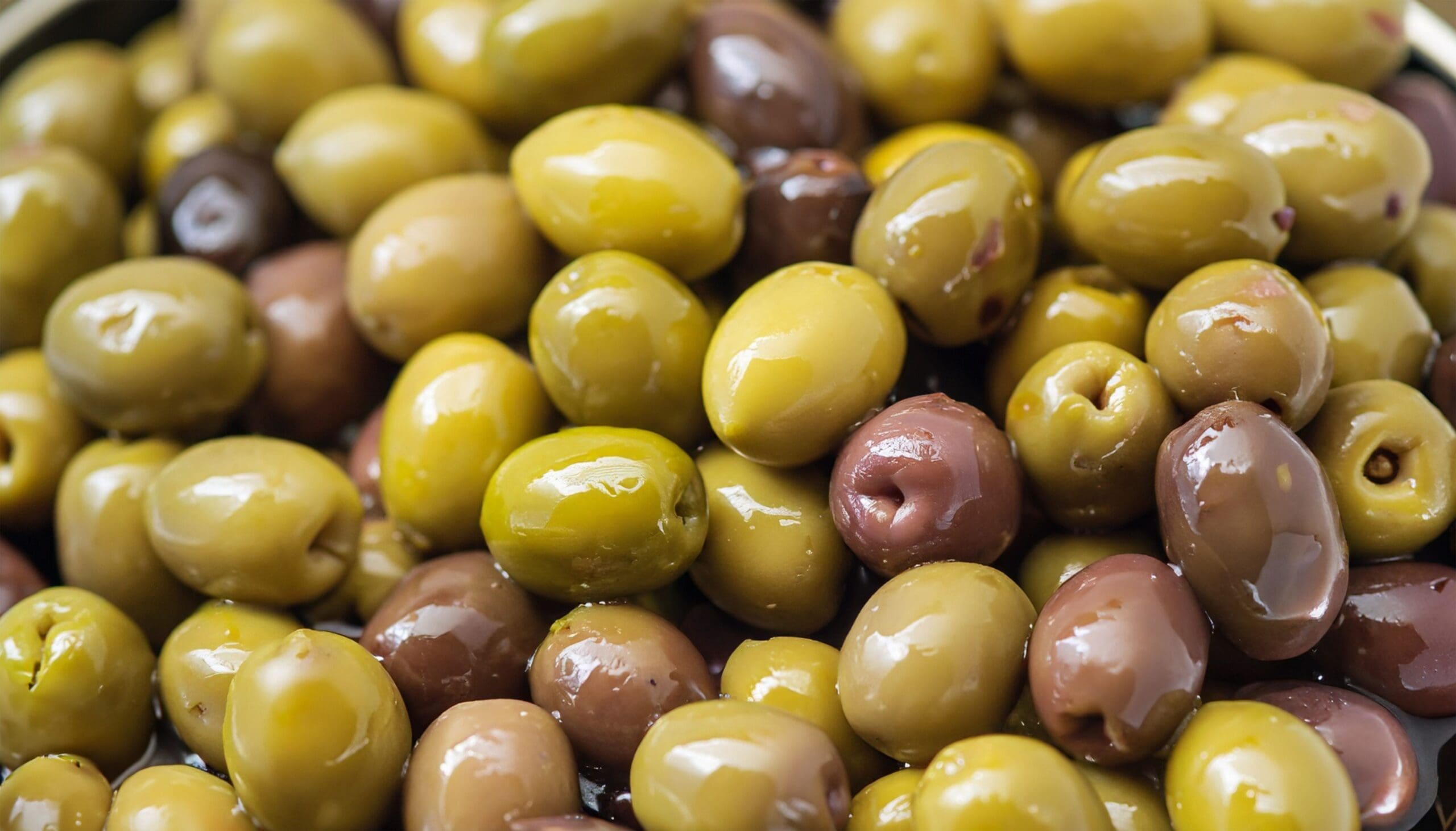
Barcelona is experimenting with a new approach to road construction by incorporating charcoal from olive pits and pine biomass into asphalt. This innovation aims to reduce the carbon footprint of road building and convert part of the pavement into long-term CO2 storage.
This initiative is part of the “Street of the 21st Century” municipal program, spearheaded by the Barcelona City Council, the BIT Habitat Foundation, and BIMSA. The key material, biochar, is a stable form of vegetable charcoal created through pyrolysis, heating olive remnants without oxygen, thereby preventing carbon release during decomposition or combustion.
Traditional asphalt combines bituminous binder with minerals like sand and gravel. The novel mixture substitutes some of these components with biochar. The underlying principle is that olive trees capture CO2 during growth, some of which remains in the seeds. When processed into biochar, this carbon can be “trapped” beneath the road surface for extended periods.
Project proponents claim that this technology can cut CO2 emissions related to asphalt production by up to 76% compared to standard practices. Given the vast quantities of materials required for streets, highways, parking lots, and cycle paths, this represents a significant environmental breakthrough in road construction.
Initial lab tests, involving the Political University of Catalonia and design firms, have shown promise not only in eco-friendliness but also in technical performance. Preliminary data suggests biochar-infused asphalt matches or surpasses conventional asphalt in moisture resistance, crack reduction, and stability in extreme temperatures—crucial for cities prone to heatwaves, affecting road longevity.
Yet, real-world performance remains to be verified. Laboratory settings can’t replicate the wear from buses, trucks, cars, weather, temperature fluctuations, and utility repairs. Thus, starting in September, Barcelona will conduct field tests at various city locations. By 2027, the material will be monitored for durability, traffic resilience, and reaction to water and heat.
For widespread adoption, the precise biochar mix ratio needs determination, compatibility with existing laying techniques must be evaluated, and maintenance cost implications assessed. Currently, this remains an experimental effort, yet one with promising engineering logic.









Leave a Reply