


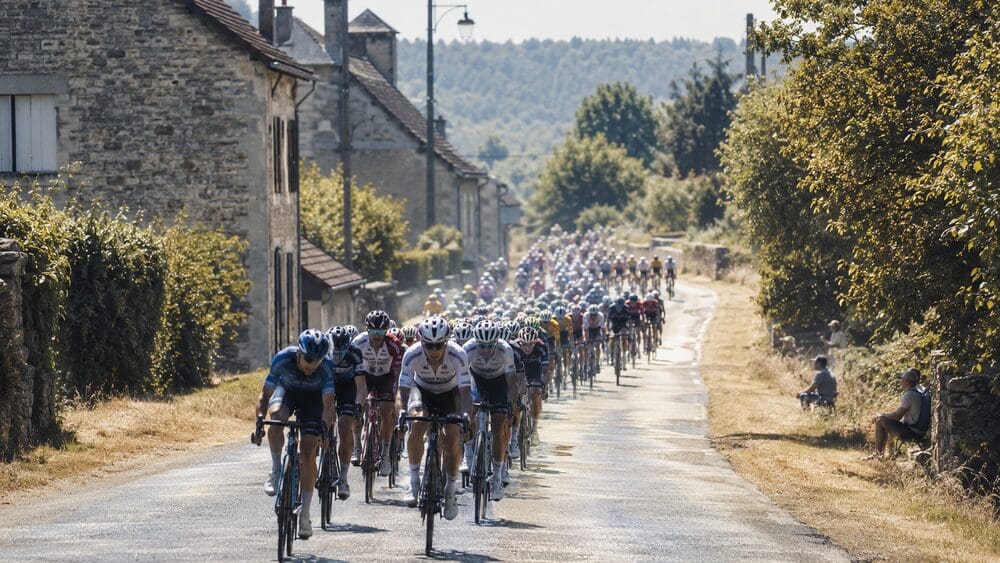
Corrèze warning raises safety concerns for Sunday’s ride to Ussel
The Tour de France has reduced the length of Sunday’s ninth stage due to a red heatwave alert in Corrèze, highlighting the challenge of protecting cyclists, spectators, and local communities during increasingly severe European summers.
By Daniel Mercer, Sports Correspondent, The European Times
Organisers announced the stage on 12 July is now 155.5 kilometres, 30 kilometres less than originally planned, after Météo-France issued a warning about an intense heatwave. The route will change in the neutral zone, with a diversion on the D921 from Brive-la-Gaillarde to Lanteuil before continuing to Ussel.
The Tour stated the adjustment ensures the race complies with the red alert conditions. The stage begins at 13:45, with riders expected to finish around 17:30, according to the official announcement.
A decision impacting the public
For cyclists, reducing the stage by 30 kilometres doesn’t eliminate the heat but reduces exposure. With short climbs and narrow roads, high temperatures can make race conditions more dangerous by affecting hydration, cooling strategies, and causing early fatigue.
For spectators, volunteers, and local residents, this decision is crucial. The Tour is a major public event, with crowds watching for hours, families gathered in villages, and emergency services ensuring safety.
Météo-France’s bulletin for Sunday listed 37 departments under red heatwave warnings. Such warnings require utmost caution as extreme weather poses risks to everyone, particularly the elderly, children, isolated individuals, outdoor workers, and athletes.
This route change is a matter of responsibility. Cycling deals with weather challenges, but extreme heat affects all involved, not just the competitors.
Adapting to Europe’s heated summers
This shortened stage highlights how heat has become a central issue for European sports. Cycling governance includes high-temperature protocols, and organisers often reassess routes, start times, and spectator access based on safety.
A shorter stage may affect race dynamics, altering team strategies and pre-rest day plans. Some cyclists might miss the chance for a lengthier challenge, while others might welcome the lessened heat stress.
The broader implication is clear. As reported by The European Times on Western Europe’s record heat, authorities and sport bodies need to move beyond warnings to practical adaptations. Sports traditions must adjust to new climate realities.
The Tour de France remains a significant European sporting event, known for its accessibility and community closeness. Protecting its character means addressing heat before it causes emergencies.
Ussel finish remains significant
Sunday’s finish in Ussel still promises competitive action, with room for aggressive racing. However, the day’s success lies not only in the stage winner but in passing through Corrèze without undue stress on those vulnerable to the heat.
Organisers advise regular hydration, reduced physical activity in peak heat, and adherence to official guidance, reinforcing Météo-France’s advice.
Endurance is one aspect of cycling, but responsible racing demands setting limits and caring for all involved. On Sunday, the Tour’s key lesson may be acknowledging that the road belongs not only to the strongest but






Leave a Reply