


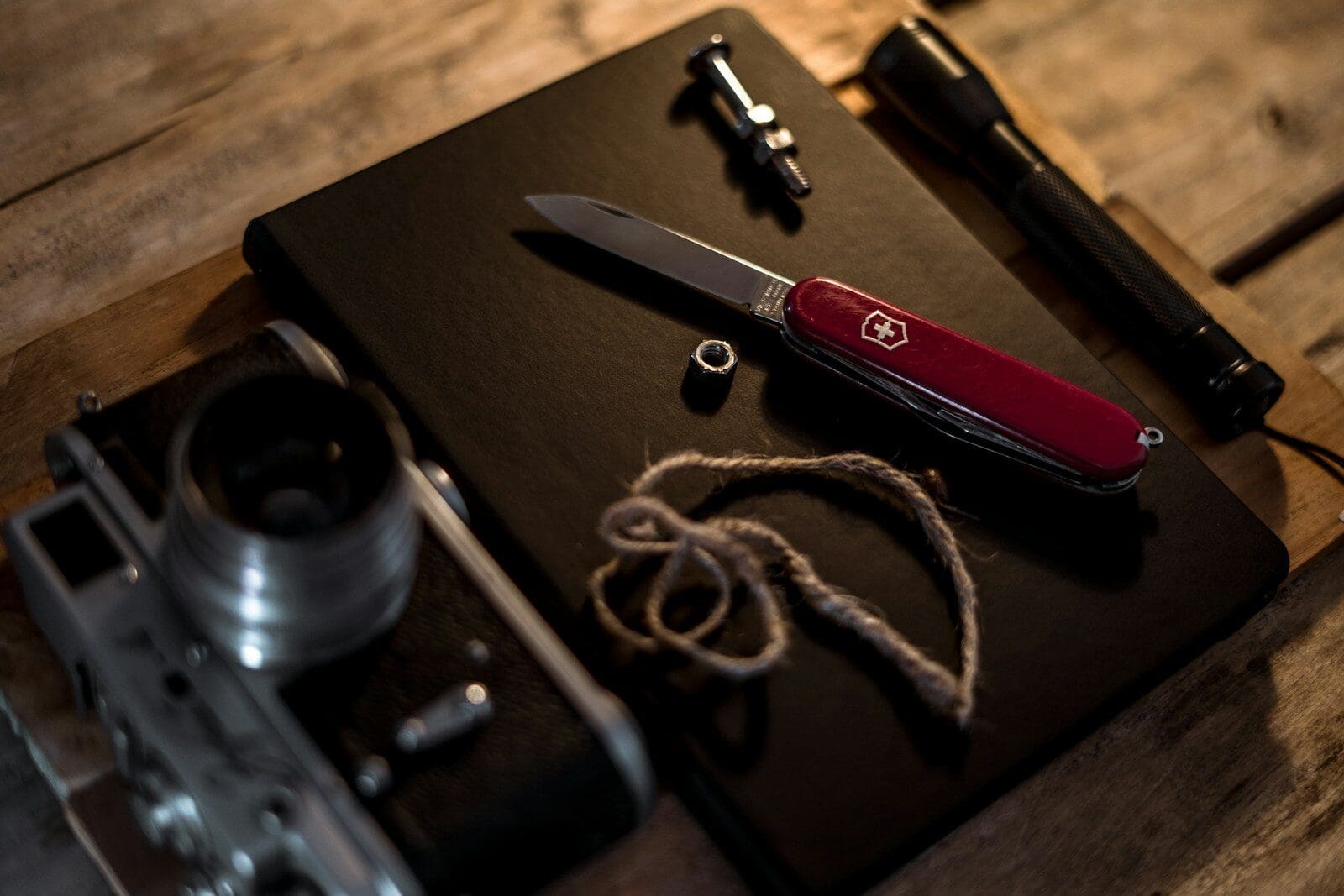
Salman Rushdie’s memoir, “Knife: Meditations After an Attempted Murder,” explores themes of bodily harm, artistic endurance, and the crucial need for free expression. Written following the 2022 assault at New York’s Chautauqua Institution, the book transforms a violent act into a testament, defending literature’s power to restore agency against terror. Based on available public details, the book emphasizes Rushdie’s determination to continue as a writer rather than seek victim status.
Published by Penguin Random House in April 2024, “Knife” reflects on surviving an assassination attempt over three decades after the fatwa against him. The memoir highlights how public narratives of such attacks can overshadow survivors, focusing instead on reclamation rather than martyrdom. The book’s argument for free speech is subtle, challenging the simplistic image of Rushdie as a symbol for literary freedom by focusing on personal bodily experiences.
“Knife” underscores the ongoing global debates around blasphemy, censorship, and free speech, offering an intimate perspective by illustrating the personal impact of violent censorship. While PEN America acknowledged his comeback as a significant moment for free expression, the memoir remains primarily a literary and personal work.
A finalist for the 2024 National Book Award for Nonfiction, “Knife” addresses themes of life, loss, love, and resilience. It also emphasizes the collective care involved in Rushdie’s recovery, highlighting connection as a response to violence. Despite the risks of overly polishing such a narrative, the memoir’s strength lies in its reflective nature, resisting narrative simplification.
Rushdie’s work is not just significant due to his survival; it is his written response that matters. By transforming the attack into language, Rushdie elevates the event from mere spectacle, offering readers a serious yet not grim portrayal of recent history. Describing the book as a response to violence with art, Rushdie underscores its disciplined and human approach.
Ultimately, “Knife” is more than a recovery memoir; it’s a testament to the active, ongoing nature of free expression. Its greatest success is in reestablishing Rushdie as a person rather than a symbol, showcasing the power of personal freedom.





Leave a Reply