


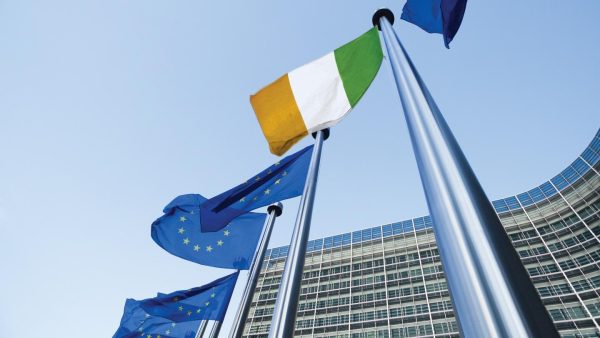
Two weeks on from the European Parliament’s failure to agree any position on the revision of the Tobacco Excise Directive, the file’s rapporteur is going public with a message for the incoming Irish Presidency: don’t let the committee’s work go to waste.
Tomáš Kubín, the Czech MEP from the Patriots for Europe group who steered the file through Parliament’s Economic and Monetary Affairs Committee, adopted a scaled-back version of the Commission’s proposal there on 3 June by 32 votes to 21. That text would have kept the minimum excise duty on cigarettes at €200 per 1,000, against the Commission’s proposed €215 (up from the current €90), while giving newer nicotine products such as vapes, heated tobacco and pouches lower rates and longer transition periods.
It never got the chance to matter. When the file reached plenary on 17 June, MEPs voted down not only Kubín’s committee text but also a separate, only lightly amended version of the Commission’s original proposal. With neither option securing a majority, Parliament ended the Cyprus Presidency with no formal opinion on the file at all, an outcome some in Brussels have read as tantamount to Parliament asking the Commission to withdraw the proposal outright.
The fallout has been messier than the vote itself. The centre-left S&D group hailed the result as a win for public health, but critics point out that the group’s real objective was to head off a recurring EPP-far right alliance rather than to hold out for a stronger text, since the compromise or alternative would have preserved the bulk of the Commission’s original tax increases. Kubín has dismissed the health framing outright, telling reporters it amounted to little more than a refusal to work with his group.
In an exclusive interview, Kubín revealed he is keen to keep the committee’s compromise alive as the file moves to the Council’s table:
“My message to the Irish Presidency is simple: don’t let the work of the ECON Committee vanish from the table. This isn’t about making a political statement. It’s about finding something that works for public health, for Member States’ tax revenues, for the internal market, and for the fight against illicit trade. The Commission’s proposal opened a debate worth having, but in several places, it went too far, and it didn’t really grapple with what the changes would mean in practice for Member States, for consumers, for tax administrations, or for legal operators on the ground. ECON took a more realistic route. I do not deny that the Tobacco Taxation Directive needs modernising — new products are on the market, and the current framework is simply outdated. But modernising the rules is not the same thing as pushing through sharp, automatic tax increases. What mattered most in the ECON work was proportionality: a more gradual rollout, more predictable rules, different treatment for different products, and real safeguards against market disruption and illicit trade.
“The Irish Presidency shouldn’t just fall back on the most maximalist version of the proposal — it should treat the ECON position as a serious starting point for a compromise that Member States can implement.”
He added: “The committee has given both the Commission and the Council a very strong position, we know there are member states that agree with us, we ask the Irish presidency to be able to take into consideration what we have delivered; that is what could help public health and citizens alike.”
That’s a harder sell than it might have been before 17 June. The Council remains divided in its own right: the Cypriot Presidency pulled the file from June’s Ecofin agenda after failing to secure unanimity that excise measures require, with Sweden among the member states unwilling to move on the treatment of lower-risk nicotine products. Technical talks are expected to resume this month under Irish stewardship, but Dublin now has to build consensus among member states without any parliamentary opinion, however non-binding, to lean on.
That puts Ireland in an awkward spot of its own. Dublin has traditionally taken one of the toughest lines on tobacco control in the EU and would be a natural ally for a stronger directive. But Sweden’s objection was never about resisting tax increases on cigarettes; it was about protecting the regulatory treatment of novel nicotine products, an area where Ireland’s own instincts sit closer to the Commission’s more cautious approach than to Stockholm’s.
Comments
2 responses to “After Tobacco Tax Collapse, Rapporteur Urges Irish Presidency to Value Committee’s Efforts”
-
Aye, nothing screams effective governance quite like a bunch of MEPs tossing a vital tax reform file like yesterday’s kebab leftovers. 🍻 Just what we need, more debates and less action—cheers to “progress”!
-
Seems like the Irish Presidency has a real peach of a task ahead—trying to make sense of a tobacco tax proposal that just decided to go on holiday instead of coming to work. 🍀💼 Good luck convincing everyone that the ECON Committee’s half-baked ideas are worth salvaging; it’s like trying to polish a turd, innit? 😏
-
Oh, brilliant! Nothing like a complete tax collapse to remind us that “public health” is just code for “let’s argue about who can smoke what.” 🤷♂️ Cheers to the Irish for keeping the table warm while we all pretend this matters! 🍻

Last News
After Tobacco Tax Collapse, Rapporteur Urges Irish Presidency to Value Committee’s Efforts
Two weeks on from the European Parliament’s failure to agree any position on the revision of the Tobacco Excise Directive, the file’s rapporteur is going public with a message for the incoming Irish Presidency: don’t let the committee’s work go to waste.
Tomáš Kubín, the Czech MEP from the Patriots for Europe group who steered the file through Parliament’s Economic and Monetary Affairs Committee
Shell plc Releases Final Results of Exchange Offers
Press ReleaseThis article is based on a press release or official communication from Wire News Service. The European Times republishes it as a public service.
Press Release
July 9, 2026
Shell plc Announces Final Results of ExchangeOffers
Shell plc (LSE: SHEL) (NYSE: SHEL) (AEX: SHELL) today announces the final results of its previously announced offers to exchange (the “Exchange Offers” and ea
EU Weighs Tariffs on Imports from Unauthorized Israeli Settlements
Suspending a trade agreement with Israel completely or sanctio

Frequent Company Registration Errors Causing UK Business Approval Delays
London, July 08, Eurotoday Newspaper – Company registration mistakes remain one of the leading reasons new business applications face delays across the UK. Company formation specialists report that inaccurate information, incomplete documentation, and filing errors continue to slow approvals, even as online registration has made the process faster for most entrepreneurs.
Registration Errors Cont

Scientology Volunteer Ministers Provide Aid and Hope to Venezuela Following Devastating Earthquakes
The earthquakes hit north-central Venezuela swiftly, inflicting significant damage in Caracas, La Guaira, and surrounding coastal areas. Initiall
Europe’s AI Moment: Four Imperatives for Business Leaders
Energy markets are reeling from disruption in the Strait of Hormuz. Natural gas prices in Europe have surged by nearly 50% since the end of February, while storage sites are predicted to reach only 76% of capacity by October—the lowest pre-winter level since 2011.
The growing use of AI is increasing pressure on the energy grid; electricity consumption from E

How Positive News Coverage Enhances Customer Trust and Strengthens Brand Authority
London, July 08, Eurotoday Newspaper – Positive news coverage continues to play a growing role in helping businesses strengthen customer trust and establish long-term brand authority. As consumers increasingly research companies before making purchasing decisions, organizations featured in credible news reports often enjoy higher levels of confidence and stronger public recognition. Public relat
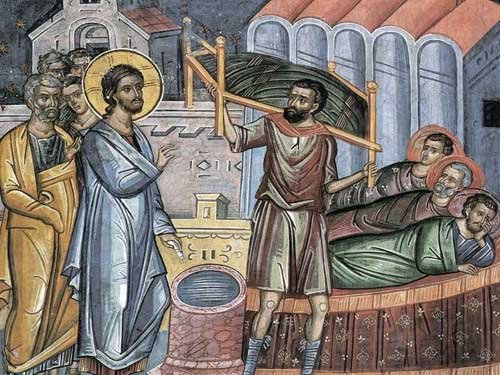
The Goodness of Christ Liberates from Demonic Malice
The Gospel of the Fifth Sunday after Pentecost provides three teachings:
• Demons acknowledge the divinity of Jesus Christ and His role as the world’s Savior.
• Jesus’ compassionate love liberates individuals from the grasp of evil spirits.
• Material losses can serve as a reprimand to those overly attached to material wealth.
In the land of the Gadarene
Trumps Wahnsinn bei der NATO und die Krise der GIZ
Die Gesellschaft für Internationale Zusammenarbe

Why Every Growing Business Needs an Online Reputation Strategy for Scaling
London, July 08, Eurotoday Newspaper – Online reputation strategy is becoming a top priority for businesses preparing to expand as digital trust plays a larger role in customer decisions. Marketing experts say companies that establish a strong online presence before scaling are better positioned to attract customers, investors, and business partners while protecting their brand from reputational
Leave a Reply