


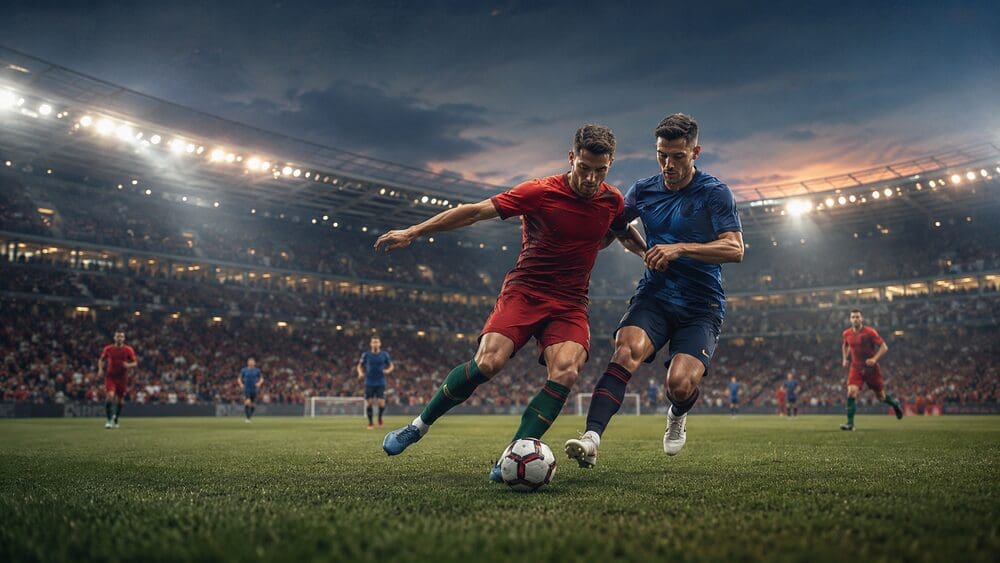
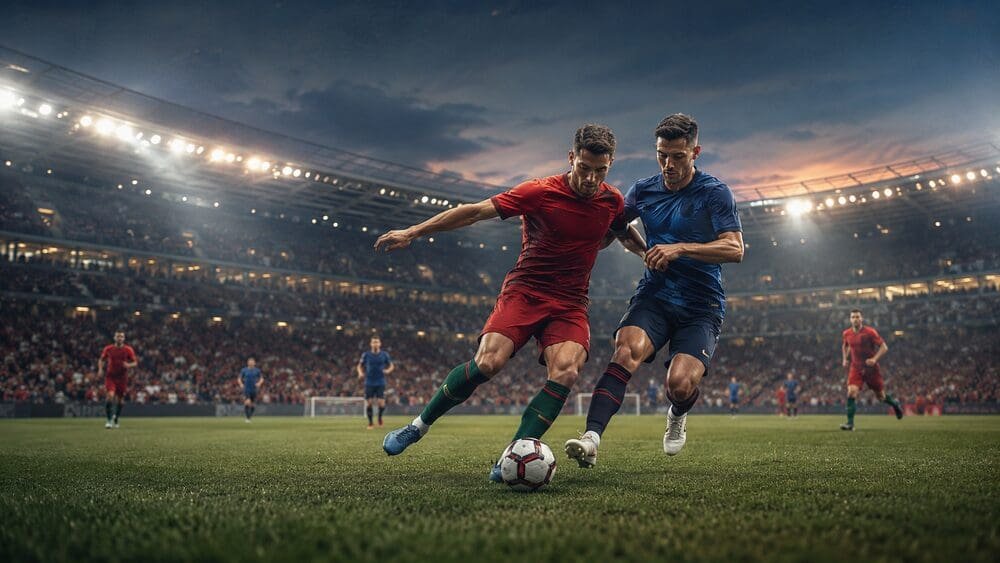
Monday’s Dallas clash sees two Iberian teams, two football eras, and raises questions about Europe’s depth in an expanded World Cup
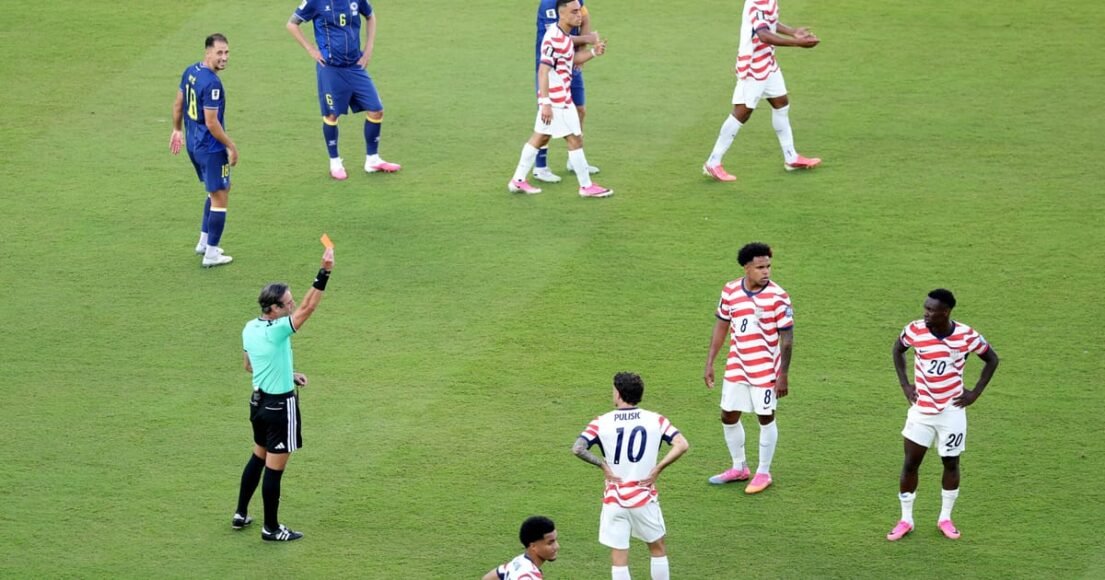
Portugal and Spain face off in Dallas on Monday in a World Cup round-of-16 match that goes beyond a border rivalry. Spain comes as European champions with a clean knockout win, while Portugal, led by Cristiano Ronaldo, pursue the major international title missing from his achievements, supported by a squad full of Champions League winners.
This matchup is quintessentially European: familiar, technical, tense, and laden with public expectation. It also gauges how Europe’s leading football systems are responding to a tournament that has expanded its field, stretched its calendar, and intensified scrutiny on depth in every knockout stage.
UEFA’s tournament tracker notes that Portugal and Spain clash at 21:00 CEST, having taken different paths in earlier stages. Spain topped Group H, then defeated Austria 3-0 in Los Angeles. Portugal placed second in Group K before edging Croatia 2-1 in Toronto.
A Rivalry Beyond Prestige
For Spain, this match offers a chance to show that the European Championship foundation is now a World Cup mission. Luis de la Fuente’s team has been efficient rather than flashy, yet their control over Austria demonstrated a growing comfort with knockout pressure.
Portugal’s task is distinct. Roberto Martínez’s squad possesses the individual skill to challenge any team, but their tournament raised questions about rhythm and control. This tension adds a competitive edge to Monday’s game: Spain may aim for an orderly match, while Portugal will seek moments where experience and speed can disrupt that order.
FIFA’s official match preview places the game at Dallas Stadium, highlighting the global distance from home while maintaining the unmistakably Iberian nature of the football. For European fans, it’s a late-evening match charged with the emotions typical of a continental derby.
Europe’s Depth Under Scrutiny
The broader context is significant. Teams like Germany, the Netherlands, and Sweden have already learned that historical prestige offers little protection in the expanded format. Prior coverage in The European Times highlighted how Europe’s World Cup campaign illustrates varying degrees of authority, renewal, and vulnerability.
Portugal versus Spain now encapsulates that narrative in one match. Spain bears the confidence of a system rejuvenated through youth development, midfield continuity, and a distinct tactical identity. Portugal represents a different model: a blend of elite club players, a celebrated captain, and the challenge of transforming consistent promise into a first World Cup victory.
Thus, the match shouldn’t be reduced to Ronaldo versus Spain’s young talents, even though the notion is tempting. The more crucial question is collective: which team can maintain possession, manage the emotional intensity, and preserve discipline as the match progresses?
A Showcase for Two Football Traditions
International football retains a unique place in European public life. While club football dominates the calendar, matches like this unite families, cities, and diasporas in a manner unique to national teams. In Portugal and Spain, the outcome will be viewed not only as advancement or exit but as an indication of each nation’s footballing standing.
For Spain, a win would reinforce that the European title





Leave a Reply