


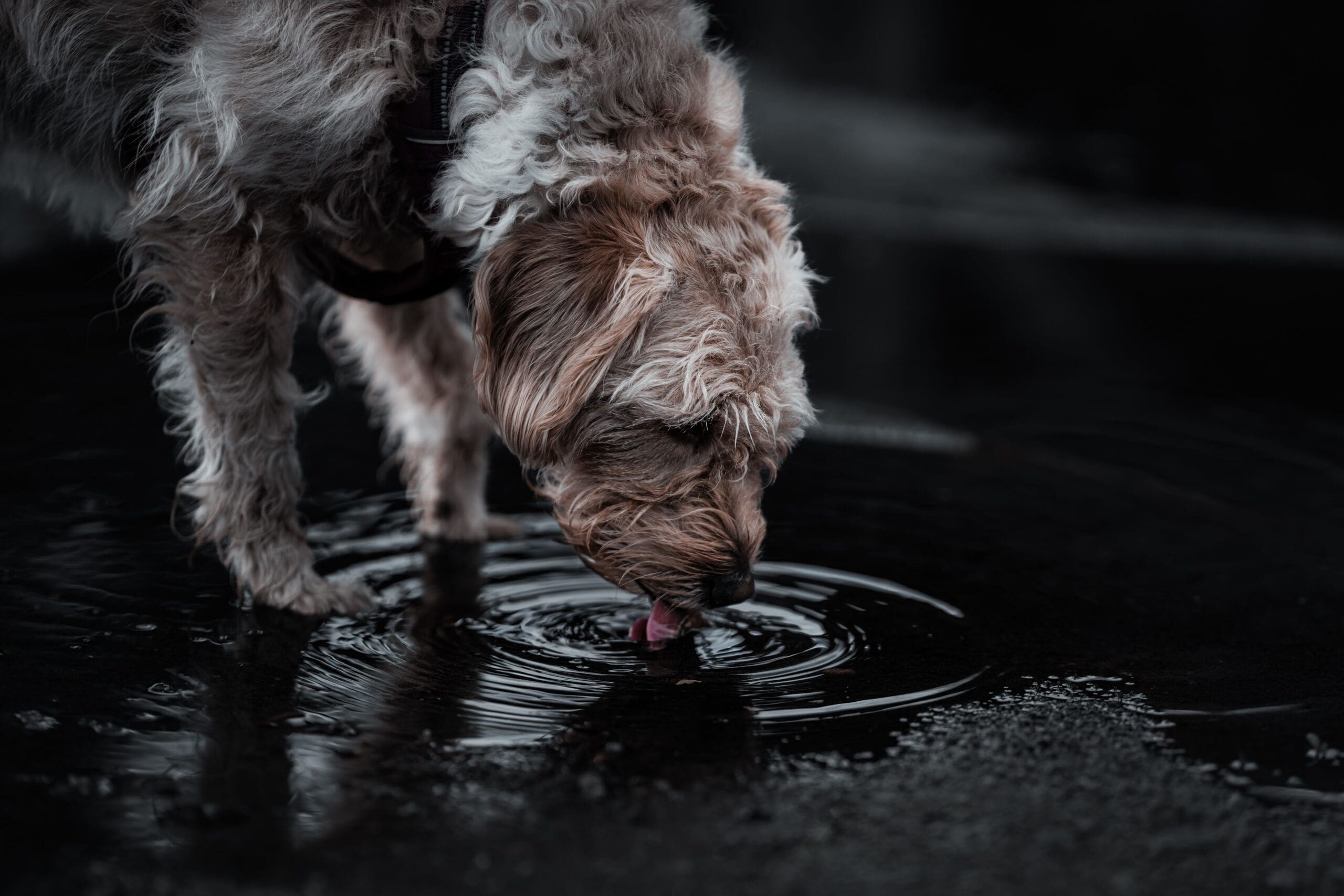
It’s crucial for pet owners to ensure their dog is content, energetic, and healthy. Signs of a dog’s well-being go beyond just the absence of illness. Often, we notice when something’s wrong but can overlook the indicators that our dog feels good—through their behavior, energy, appetite, movement, and even the gloss of their coat. Observing subtle changes in daily life is vital for every responsible owner.
Dogs can’t express discomfort in words, but their body language and habits do. Active behavior, a good appetite, restful sleep, and a playful demeanor often signal a pet’s well-being. Conversely, sudden apathy or changes in routine could indicate health issues.
Caring well for a dog involves more than proper diet and vet visits. Daily attention to a pet’s physical and emotional state is key. Knowing the signs of good health is as important as recognizing disease symptoms. These signs indicate whether a dog’s care and lifestyle suit its age, breed, and needs.
Here are 10 signs your dog is healthy and feeling great. They can help you monitor your dog’s condition and take action if needed.
• Shiny and glossy coat
The coat is a primary indicator of health. A healthy dog’s coat is soft, smooth, and naturally shiny, without being oily or dry. No bald spots or rough areas should be felt. Good coat condition is evident in long-haired breeds too, with elastic, dense, clean fur. Excessive shedding outside seasonal changes can signal a problem.
Coat health reflects nutrition and care. A balanced diet rich in proteins and essential fatty acids supports healthy skin and coat. Conversely, a dull coat may suggest nutritional deficiencies, stress, or health problems. Vets often check coat appearance in exams.
Regular brushing and hygiene are important. They keep the coat attractive and help spot skin changes or parasites. Monitoring coat changes during shedding seasons is crucial.
• Clear vision
Dog’s eyes reveal much about their health. Healthy eyes are clear and shiny, without cloudiness or redness. A lively gaze that reacts well to light and surroundings is a good sign. Thick discharge or bad odors around the eyes shouldn’t be present. Regular eye checks help detect issues early.
Eyes often show discomfort first. Cloudiness, yellowing, or discharge might indicate infection, allergies, or conditions needing a vet visit. Persistent eye irritation signs shouldn’t be ignored.
Regular eye care involves cleaning and checking for irritation after walks, especially in windy conditions. Breeds with prominent eyes require extra attention. Clear eyes indicate good health and proper care.
• Consistent energy levels
A dog’s energy reflects its health. Healthy dogs show activity and curiosity that match their age, breed, and temperament. They eagerly anticipate walks and play, displaying stable vitality and interest in their surroundings.
Activity benefits physical and emotional health. Exercise maintains muscles, joints, and cardiovascular health, enhancing appetite and sleep quality. Signs of energy loss or excessive fatigue may signal health issues.
• Healthy appetite and good hydration
A dog’s appetite is a clear health indicator. Healthy dogs show consistent interest in their food, maintaining healthy weight and regular eating habits. Hydration is crucial too—dogs should drink water regularly, with moist, pink gums. Good hydration aids organ function and digestion.
Digestive health is equally crucial. Regular bowel movements and absence of vomiting or diarrhea show good digestion. Sudden appetite changes or excessive water intake can signal issues.
• Pink and healthy gums
Gums are a quick health check. They should be moist, smooth, and pink, indicating good circulation and hydration. Gently pressing the gums should see color return in 1-2 seconds, a method often used by vets.
Gum health is tied to oral hygiene. Healthy gums reduce infection risk. Regular brushing, dental treats, and vet checkups are essential. Warning signs include pale or very red gums, excessive drooling, bleeding, or bad breath.
• Clean ears
Ears show discomfort quickly. Healthy ears are clean, pale pink without a strong odor. A little earwax is normal, but excessive, dark, or sticky wax is not. Normal ears don’t cause irritation when touched.
Regular ear checks are vital, especially for dogs with floppy ears. Conditions like infections can arise from moisture or poor air circulation. Timely cleaning prevents issues.
Warning signs include excessive shaking









Leave a Reply