


When a nation embarks on constructing a tunnel through a mountain to expedite ships’ journey to the sea, it’s more than an infrastructure project—it’s a reflection of the influence of a multi-billion dollar industry.
This is currently unfolding in Norway, where the world’s first ship tunnel is being built through the Stad Peninsula, allowing cargo ships to bypass some of the North Sea’s most perilous waters. The salmon industry, Norway’s most lucrative food export and a key global commodity, stands to gain the most.
However, the tunnel reveals a larger narrative—the intense competition for a fish that has evolved into a strategic resource in recent times.
Becoming “Pink Gold”
Salmon, once a rare and costly fish available mainly to affluent Europeans, is now one of the world’s most traded foods. The rise of aquaculture has exponentially increased Atlantic salmon production and altered global eating patterns.
Norway has emerged as the primary beneficiary of this transformation.
Today, the nation produces over half of the world’s Atlantic salmon, with exports generating tens of billions of euros annually, ranking second only to oil and natural gas. Norwegian salmon reaches over 150 countries, including Japan, South Korea, the US, and the EU.
New Kind of Competition
The global salmon market has evolved beyond traditional fishing.
It’s now a high-tech sector with major companies operating automated farms, employing artificial intelligence, underwater robots, and consistent biological monitoring.
Any shift in sea temperatures, disease outbreaks, or logistical disruptions can cause global price fluctuations.
Climate Challenges
The industry has faced challenges in recent years.
Rising ocean temperatures heighten the risk of sea lice infestations, which can devastate entire farms. Frequent heatwaves reduce water oxygen levels, increasing fish mortality.
Scientists caution that if climate change persists, traditional salmon farming regions may become significantly less viable in the coming decades.
Escalating Prices
Salmon demand is outpacing production.
More consumers opt for it as a healthy red meat alternative, and Asian markets are increasing their consumption annually.
Yet, production expansion is challenging. Norway restricts new farm licenses to protect the environment, and stringent environmental regulations make expansion slow and costly.
As a result, even minor market shocks lead to significant price swings.
Price Fluctuations
The Atlantic salmon market is feeling the pressure.
By June 2026’s end, Norwegian salmon traded at roughly NOK 74 per kilogram—up over 13 percent in just a month. This indicates demand surpassing production, with any climatic or logistical disruption causing global price shocks.
Analysts predict this trend will persist, with prices potentially exceeding NOK 100 per kilogram next year. Thus, “pink gold” is not only becoming more expensive but also securing its place as one of the most volatile and strategic resources in the global food sector.
Norway’s Forward-Thinking
Therefore, Oslo is investing billions in infrastructure.
The new ship tunnel through the Stad Peninsula will primarily serve the salmon industry, among others. Enhanced transport efficiency means fewer delays, reduced costs, and more reliable deliveries to European markets.
For a perishable product, every saved minute is crucial.
Emerging Competitors
Norway has long been the unrivaled leader, but competition is growing.
Chile is now the second-largest Atlantic salmon producer, with Scotland, the Faroe Islands, Iceland, and Canada constantly boosting their capacity.
Meanwhile, scientists are developing land-based farms where salmon will grow in massive recirculating ponds away from the ocean. If economically viable, this technology could transform the global market entirely.
The salmon market will face pressure in the coming years. With global demand rising and production expansion constrained by climate change, environmental regulations, and high costs, salmon is set to remain one of the most valuable foods in international trade.
Thus, Norway is investing not only in farms but also in tunnels, ports, and logistical corridors. In the modern economy, success depends on rapid delivery, and every minute saved in the “pink gold” market is worth millions.
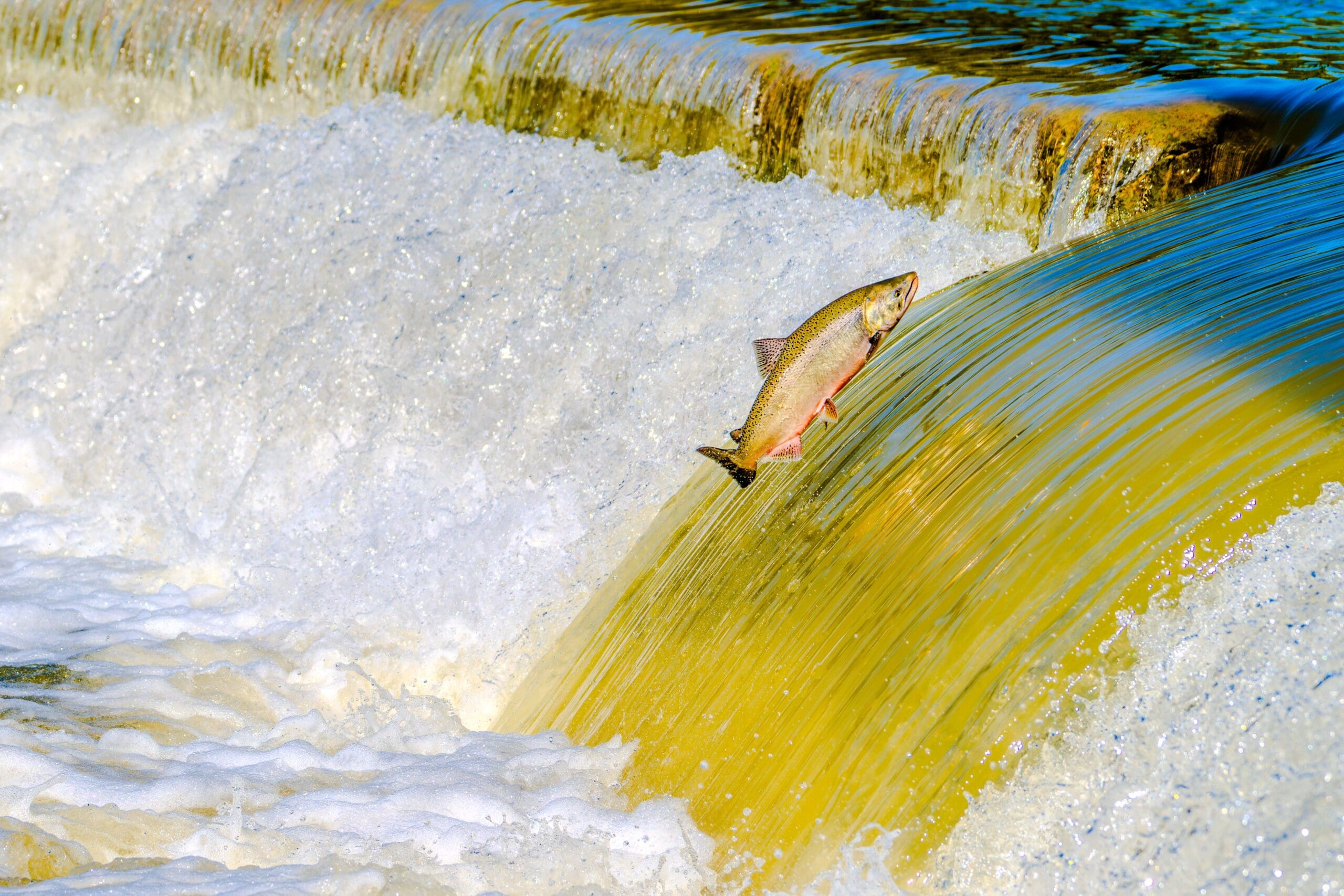
Illustrative photo: pexels-hberganza-34079758








Leave a Reply